
GOP leadership deprioritizes North Carolina Senate race as Whatley trails Cooper
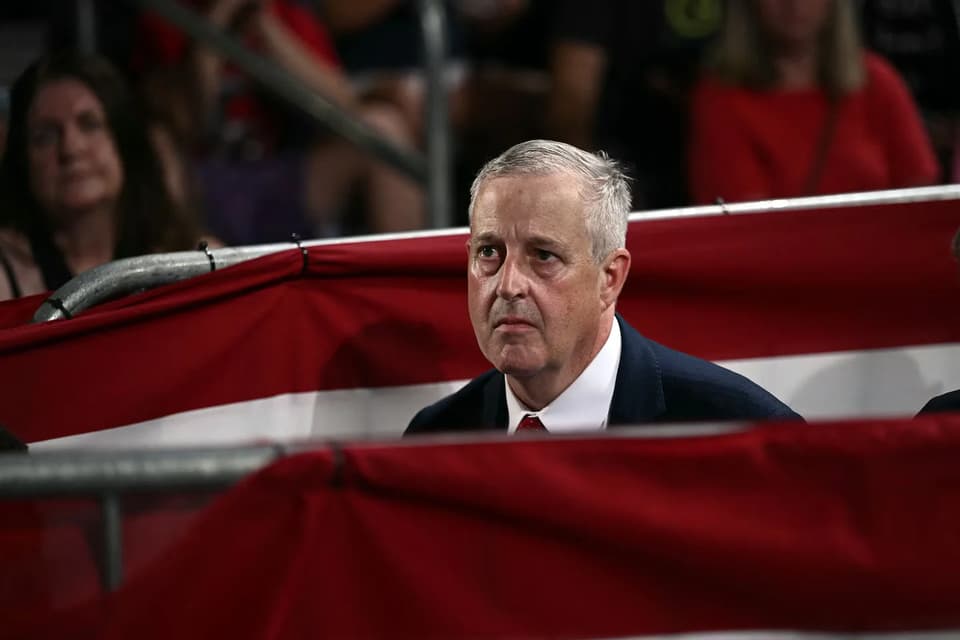
Republican leadership is shifting resources away from the North Carolina Senate race, where candidate Michael Whatley trails former Governor Roy Cooper. NRSC Chair Tim Scott excluded the state from his top spending targets, and a key super PAC cut $6.5 million in October ad reservations. While some GOP groups maintain spending, party officials express growing anxiety over the outcome.
Key points
- NRSC Chair Tim Scott told Senate Republicans that the campaign arm will focus spending on Maine, Alaska, Ohio, Iowa, and Texas, excluding North Carolina and Georgia.
- The GOP-aligned super PAC Old North Action removed $6.5 million in ad reservations for North Carolina in October, though it retains $14.5 million through election day.
- Rep. Nancy Mace publicly stated that Republicans will 'for SURE' lose the North Carolina Senate seat, linking to reports of internal party anxiety.
- Whatley’s campaign argues he has polling momentum and that undecided voters lean Republican, contradicting the NRSC’s apparent deprioritization.
- Senate Leadership Fund removed $900,000 in broadcast buys but added $400,000 in digital ads, calling it a routine rebalancing of media purchases.
Background
This development follows earlier GOP midterm convention discussions in Dallas where leaders privately acknowledged a mixed Senate map, expressing wariness about Georgia and North Carolina. Recent polling shows Democrats widening their leads in both states, contributing to a broader trend of Republican polling struggles ahead of the 2026 midterms. Whatley’s struggles have been linked to his refusal to distance himself from President Trump and the president’s low approval ratings.
How outlets are covering it
The Washington Post highlights internal Republican anxiety, noting that operatives close to President Trump conceded Whatley is hampered by his reluctance to distance himself from the president. Politico emphasizes the strategic shift by the NRSC, noting that excluding North Carolina and Georgia from top spending targets is a remarkable departure given Trump’s previous victories in those states. Semafor focuses on the financial implications, detailing the $6.5 million cut by Old North Action and the rebalancing by Senate Leadership Fund. Whatley’s campaign disputes the narrative of defeat, arguing that undecided voters lean Republican and that they have the resources to win, while Georgia GOP chair Josh McKoon dismissed the notion of deprioritization, stating that actual voter numbers matter more than leaked spending plans.
Why it matters
The deprioritization of North Carolina and Georgia by the NRSC signals a potential shift in the balance of power in the Senate. Losing these seats could impact Republican control of the chamber and their ability to advance their legislative agenda. The decision also reflects the challenges faced by Republican candidates in states where they have historically performed well, highlighting the impact of national trends and candidate-specific issues on midterm outcomes.
What to watch
The NRSC will continue to focus spending on the states identified by Tim Scott, including Maine, Alaska, Ohio, Iowa, and Texas. The Whatley campaign will likely continue to argue for increased support and highlight polling data that suggests a closer race. The outcome of the North Carolina and Georgia Senate races will be closely watched as indicators of the broader Republican performance in the 2026 midterms.
- Nancy Mace: Republicans will ‘for SURE’ lose Senate race in North Carolina The Washington Post
- NRSC Chair Tim Scott leaves Georgia, North Carolina off his list of top Senate targets Politico
- Exclusive / Republican group slashes ad spending in NC Senate race Semafor
- Trump Ties Hurt GOP Senate Candidates in North Carolina, Georgia Bloomberg
- Republican super PACs cut $6.5 million in NC Senate ad reservations CBS17.com
Want the full story? Read the original reporting
Read on The Washington Post