
Greenland splits on genocide verdict for forced IUDs
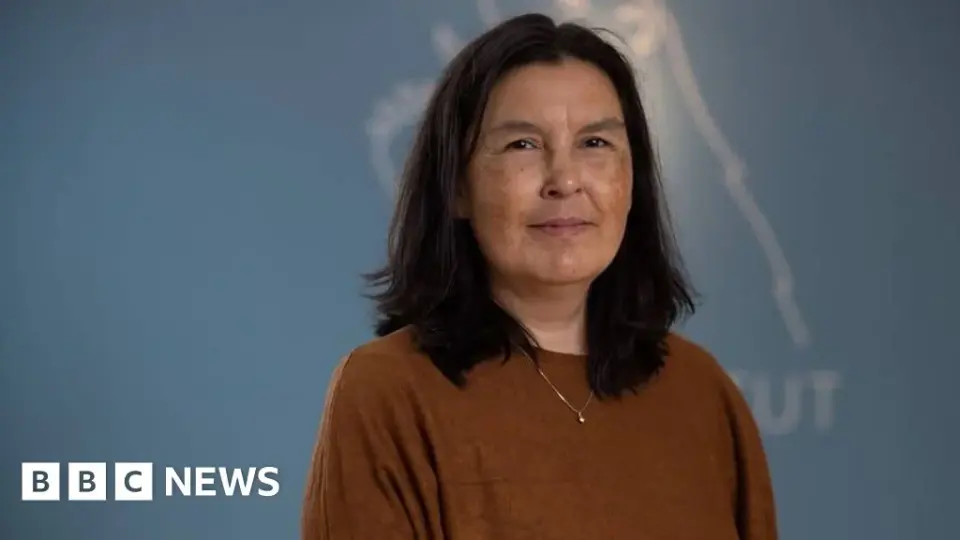
Greenland’s justice minister stated the government cannot definitively conclude that genocide occurred regarding the 1960s-1970s forced contraception campaign, following the release of two conflicting expert reports. While one report found human rights violations but not genocide based solely on contraceptive practices, the other could not establish the extent of mistreatment. Denmark has agreed to pay 300,000 Danish crowns to each affected woman, and Greenland is establishing a reconciliation commission to address the historical trauma.
Key points
- Two expert reports were released on August 28, 2026, failing to reach a consensus on whether the forced IUD campaign constituted genocide.
- One report by Dalee Sambo Dorough and Miriam Cullen found human rights violations but stated genocide could not be concluded from contraceptive practices alone, though genocidal intent remains a 'possible inference' for courts.
- A second report by Jonas Christoffersen and Jensine Nedergaard found no evidence of intent to destroy the Greenlandic population but could not fully establish the extent of the mistreatment.
- Denmark passed a compensation law offering 300,000 Danish crowns (approx. $46,800) to each woman affected by the policy.
- Greenland’s Prime Minister Jens-Frederik Nielsen announced the creation of a reconciliation commission to uncover the truth without assigning blame.
- Victims criticized the expert panel for lacking Inuit representation, stating that outsiders are defining their experiences and bodily autonomy.
Background
This story follows Denmark’s apology in August 2025 for 'systematic discrimination' against Greenlandic women. In 2024, a former Greenlandic prime minister described the practice as genocide. The forced contraception campaign, which ran from 1966 to 1970, involved implanting IUDs in approximately 4,500 women and girls, some as young as 13, without their consent. This campaign significantly reduced Greenland’s fertility rate from seven children per woman to 2.3 by 1974. The current dispute arises from the inability of the appointed four-member expert panel to agree on the legal classification of these acts.
How outlets are covering it
BBC and Al Jazeera highlight the government’s inability to make a final determination on genocide, noting the split in the expert panel. Al Jazeera emphasizes the victims' frustration that no Inuit were appointed to the expert group, arguing that outsiders are defining their trauma. Arctic Today notes that the publication of these reports was delayed due to peer review and translation issues, drawing criticism during recent elections. While BBC and Al Jazeera focus on the political and human rights implications, Arctic Today points out that some Danish politicians, like Jonas Christoffersen, have suggested delaying the compensation bill until the reports are fully analyzed. The Siumut Party in Greenland has urged that the genocide question be settled by an international court rather than domestic commissions.
Why it matters
The outcome of this dispute will determine the legal and historical status of one of the most significant human rights violations in Arctic history. The compensation package and the establishment of a reconciliation commission represent a shift toward addressing colonial-era abuses, but the lack of a definitive genocide verdict may leave many victims feeling that their suffering is not fully acknowledged. This case also tests the limits of international law in defining genocide in the context of population control policies imposed on indigenous populations.
What to watch
Greenland and Denmark will collaborate on the political process surrounding the reconciliation commission. The Danish parliament is scheduled to finalize the compensation bill, though some politicians have called for a delay. The reconciliation commission will begin its work to uncover the full scope of the violations, potentially leading to further legal or political actions. The debate over whether the acts constituted genocide will likely continue in public and legal forums.
- Greenland says findings on forced contraception genocide allegation not final BBC
- Forced birth control in Greenland violated women’s rights, experts find Al Jazeera
- Greenlandic Women Will Finally Get Money for Forced Contraception The New York Times
- Forced birth control in Greenland violated women's rights but didn't constitute genocide, experts find Reuters
- Greenland to publish long-delayed human rights reports on IUD scandal Friday Arctic Today
Want the full story? Read the original reporting
Read on BBC