
Hegseth dismisses top Pentagon planner over alleged leaks, refers case to Justice
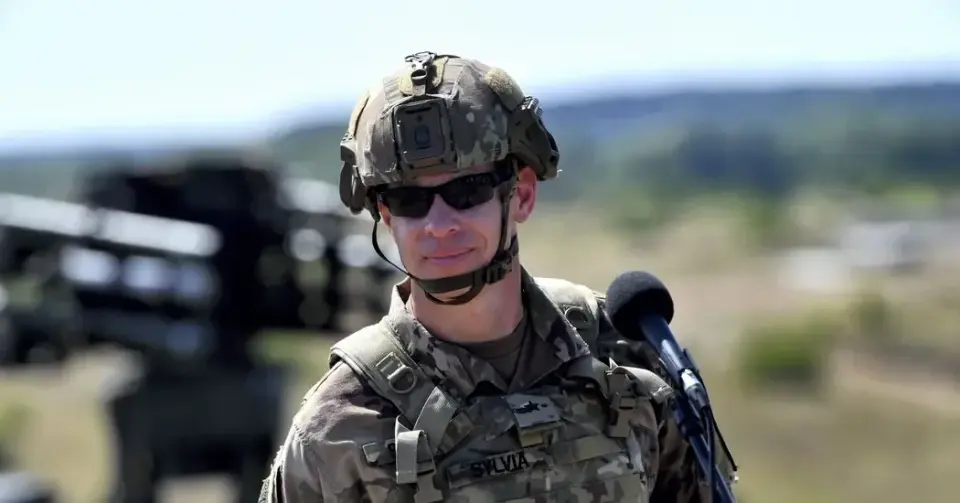
Defense Secretary Pete Hegseth has dismissed Lt. Gen. Brett Sylvia, the head of strategy at the Joint Staff, accusing him of leaking classified information regarding Iran and Russia. The Pentagon has referred the case to the Justice Department for potential prosecution, marking the first time a senior uniformed officer has been referred for such action under Hegseth. Sylvia, a highly regarded combat veteran, has retired after serving 32 years. The dismissal is part of a broader, unprecedented campaign using polygraph tests to identify leakers, which has sparked internal friction and skepticism among military colleagues.
Key points
- Hegseth fired Lt. Gen. Brett Sylvia, the Joint Staff’s director for strategy, plans, and policy, citing failures on three polygraph exams and alleged leaks of classified data on Iran and Russia.
- The Pentagon referred the matter to the Justice Department for potential legal action, stating the move was necessary to protect sensitive information, though no specific evidence was publicly disclosed.
- Sylvia, a 32-year veteran and former commander of the 101st Airborne Division, has retired; he denied leaking information but acknowledged past interactions with journalists, which are now heavily scrutinized.
- The action coincides with a broader purge of senior officers and the use of mass polygraph tests, a practice described as without parallel in modern U.S. military history.
- The dismissal occurs amid shifting U.S. strategy regarding Iran, with President Trump weighing renewed strikes after midterm elections while simultaneously denying active peace talks.
Background
This development follows a series of personnel changes at the Pentagon under Hegseth, including the early retirements of Lt. Gen. Joseph McGee and Lt. Gen. Douglas Sims. It also follows a pattern of leak investigations where previous accusations against political appointees, such as Dan Caldwell, were not substantiated by criminal charges. The current tension mirrors earlier internal friction over Hegseth’s decisions, such as the planned livestreaming of the Nidal Hasan execution, which raised concerns among military personnel about the impact on morale and professional standards.
How outlets are covering it
The New York Times and The Washington Post emphasize the extraordinary nature of the investigation, noting that mass polygraph tests for top ranks are unprecedented and that no proof was offered beyond the test results. The Washington Post highlights the criminal referral and the skepticism among colleagues who questioned the narrative, noting that Sylvia’s past media interactions were historically acceptable. ABC News focuses on the procedural aspect, noting that it is unclear whether the removal was ordered by Hegseth or Joint Chiefs Chairman Dan Caine, and highlights the confusion caused by conflicting statements from the Joint Staff. CNBC frames the dismissal within the broader geopolitical context of potential renewed strikes on Iran, linking the personnel change to shifting strategic priorities and the administration’s mixed signals on peace negotiations.
Why it matters
The dismissal of a senior officer like Sylvia signals a shift in Pentagon culture toward aggressive internal policing of information, potentially undermining trust between the military and the media. The referral for prosecution sets a precedent for holding high-ranking officers accountable for alleged leaks, which could have chilling effects on military transparency. Furthermore, the timing of the dismissal amidst potential renewed conflict with Iran suggests that the administration is prioritizing control over strategic information during a critical period of foreign policy decision-making.
What to watch
The Justice Department is expected to review the referral for potential legal action against Sylvia. The Pentagon may face further internal scrutiny as the polygraph campaign continues, potentially leading to more personnel changes. Geopolitically, the U.S. will likely continue to signal readiness for military action against Iran while simultaneously engaging in diplomatic channels, creating a complex environment for international relations.
- Hegseth Fires General He Accused of Leaking Information to the News Media The New York Times
- General ousted by Hegseth referred for criminal prosecution, officials say The Washington Post
- Top general fired from Pentagon Joint Staff position for allegedly leaking classified info, source says ABC News - Breaking News, Latest News and Videos
- Hegseth reportedly fires U.S. top military planner as Trump downplays Iran peace talks CNBC
- Pentagon accuses newly fired general of leaking sensitive information to the media The Boston Globe
Want the full story? Read the original reporting
Read on The New York Times