
Holscher retains Kansas governorship for Democrats in narrow win over Trump-backed Masterson
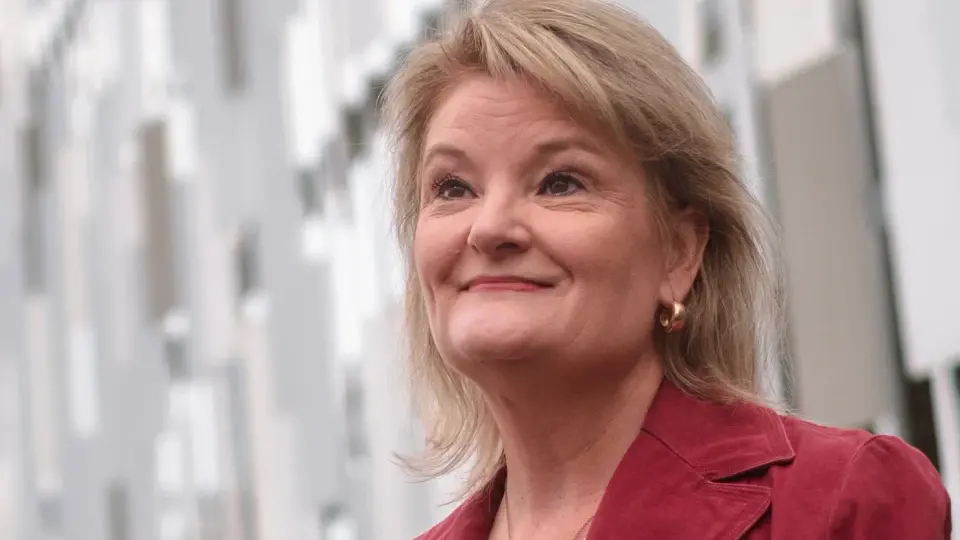
Democratic state senator Cindy Holscher has won the Kansas governor’s race, defeating Republican Ty Masterson in a closely contested election. The victory keeps the office in Democratic hands for a third consecutive term in a state that typically votes Republican. Holscher, who ran on a populist platform opposing data centers and supporting cannabis legalization, will succeed term-limited Governor Laura Kelly. The win is part of a broader Democratic surge in the 2026 midterms, where the party now controls 29 governorships.
Key points
- Cindy Holscher defeated Ty Masterson, the president of the Kansas Senate and a Trump endorsee, in a race called by the Associated Press and CNN.
- Holscher’s campaign focused on populist issues, including a moratorium on new data centers, legalizing cannabis, and opposing school vouchers.
- Masterson campaigned on lowering property taxes and supporting agriculture and oil and gas, while attempting to distance himself from President Trump.
- The race was closely contested, with provisional ballots and recounts delaying the final call, despite a significant Republican advertising spending advantage.
- Holscher will be the fourth woman to serve as Kansas governor and the first Democratic governor to succeed a fellow Democrat in the state’s history.
Background
Kansas has historically voted Republican in presidential elections but has shown a tendency to elect Democratic governors in midterm cycles. In 2018, Laura Kelly became the first Democratic governor in decades, serving two terms before being barred from seeking re-election by term limits. The 2026 midterms saw a broader Democratic wave, with the party flipping the U.S. Senate seat and the attorney general’s office in Kansas, as well as gaining seats in the state legislature to break a Republican supermajority.
How outlets are covering it
NPR and The New York Times emphasized the significance of Holscher’s victory as a retention of power in a traditionally red state, highlighting her populist platform and the contrast with the moderate approach of outgoing Governor Kelly. NBC News noted the narrow margin of victory and the impact of Trump’s low approval ratings in the state, as well as the Republican advantage in advertising spending. CNN focused on the national implications, noting that Holscher’s win means more than 75% of Americans will have a Democratic governor. All sources agreed on the outcome but differed in emphasis: some focused on the local policy issues like data centers, while others highlighted the broader national trend of Democratic gains in red states.
Why it matters
Holscher’s victory maintains Democratic control of the Kansas governor’s office, providing a check on the Republican-controlled legislature. Her populist platform, including a moratorium on data centers and support for cannabis legalization, signals a shift in the state’s political direction. The win also contributes to a broader Democratic presence in governorships across the country, potentially influencing the 2028 presidential race and the balance of power in the 120th Congress.
What to watch
Holscher will take office in January 2027, facing a Republican-controlled legislature but with a weakened supermajority due to Democratic gains in the state House. She will need to navigate potential vetoes and legislative battles, particularly on issues like data centers, education funding, and cannabis legalization. The outcome of the Alaska governor’s race remains pending, which could further shift the balance of power between the parties.
- Cindy Holscher wins in Kansas, holding governor’s office for Democrats NPR
- Live updates: Three quarters of Americans will have Democratic governors with Holscher projected to win in Kansas CNN
- Democrat Cindy Holscher defeats Republican Ty Masterson in Kansas governor’s race NBC News
- Cindy Holscher isn’t Laura Kelly-style moderate. How may she lead Kansas differently? Kansas City Star
- Holscher Wins Kansas Governor Race, Retaining Seat for Democrats The New York Times
Want the full story? Read the original reporting
Read on NPR