
Judge Carter blocks DOJ from seizing 20,000 California mail ballots
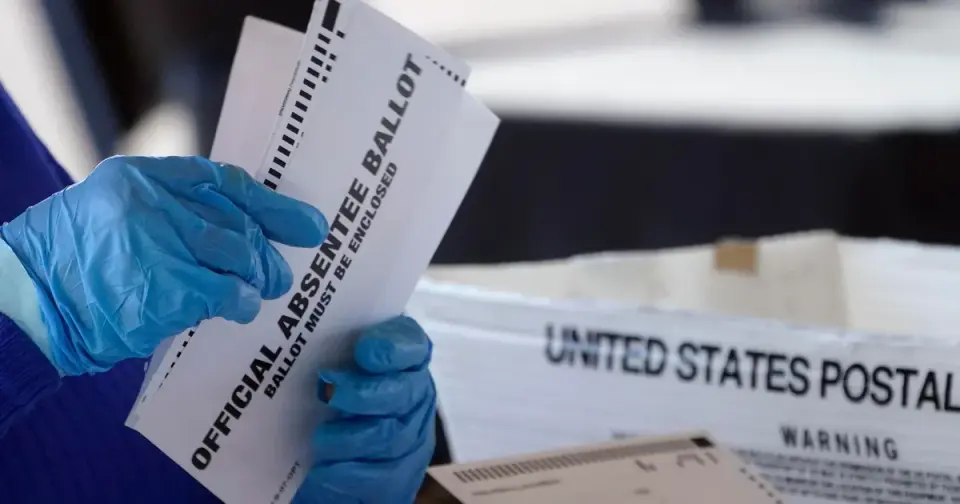
A federal judge rejected the Trump administration's demand to set aside 20,000 mail ballots in California, citing constitutional state authority and the risk of disenfranchisement. The ruling follows a failed emergency appeal to the 9th Circuit and precedes the November 3 midterms.
Key points
- U.S. District Judge David Carter ruled that the Justice Department's request to segregate ballots from 20,000 alleged noncitizens violates state sovereignty and longstanding constitutional principles.
- The DOJ provided California with a list of 20,000 names via a thumb drive, demanding a 48-hour review period before the November 3 midterms.
- Carter criticized the government's data as 'vague' and 'uncertain,' noting that local officials found many names on the list were inactive or already canceled.
- The judge emphasized that the federal government could pursue criminal indictments for illegal voting instead of disrupting the ongoing ballot counting process.
- The Justice Department announced plans to appeal the decision, though a prior emergency appeal to the 9th Circuit was dismissed as premature.
Background
This dispute is part of a broader federal effort to assert control over election administration ahead of the 2026 midterms. In September, the Supreme Court and lower courts blocked new mail ballot regulations that would have required pre-approval of envelopes and federal voter data uploads. The current case follows a similar pattern of legal challenges regarding the timing and feasibility of federal interventions in state-run elections.
How outlets are covering it
CBS News and NBC News highlight Judge Carter's focus on the 'chaos' and 'disenfranchisement' that would result from the DOJ's demands, emphasizing the judge's suggestion that prosecutors should use indictments rather than ballot segregation. CNN notes the 9th Circuit's skepticism of the DOJ's arguments, with judges suggesting the administration's 'claimed emergency' was self-constructed. Politico focuses on the dissenting view of Judge Patrick Bumatay, who argued that federal law supersedes state procedures to protect election integrity, contrasting with the majority's view that the DOJ's plan was unworkable. California officials, including Secretary of State Shirley Weber, denounced the lawsuit as a 'reckless political stunt' and 'recipe for disenfranchisement,' while the DOJ argued that counting these ballots risks diluting the votes of lawful citizens.
Why it matters
The ruling preserves the integrity of California's mail ballot process for the November 3 midterms, preventing a potential disruption that could affect millions of voters. It sets a precedent for the limits of federal power in intervening in state election procedures during an active election cycle, a critical issue as the administration continues to challenge voter eligibility in other states like Washington and Alaska.
What to watch
The Justice Department is expected to appeal Judge Carter's decision to the 9th Circuit or potentially the Supreme Court. The case may proceed to a larger panel of 9th Circuit judges if the DOJ requests it. Meanwhile, California and Los Angeles County will continue processing mail ballots, with over 3.5 million already returned statewide. The outcome of this legal battle could influence how other states handle similar federal demands regarding voter eligibility lists.
- Judge rejects Trump administration's push to force California to set aside thousands of mail ballots CBS News
- Federal judge warns Trump administration bid to set aside 20,000 California mail ballots would ‘wreak havoc’ CNN
- Judge declines to block California from counting alleged noncitizen voters’ ballots in DOJ lawsuit NBC News
- Appeals court rejects DOJ’s bid to quickly force California to set aside ballots Politico
- The pro-Trump prosecutor trying to stop California ballots from being counted The Guardian
Want the full story? Read the original reporting
Read on CBS News