
Kansas Senate Race Hinges on Farmer Dissatisfaction and AI Contradictions
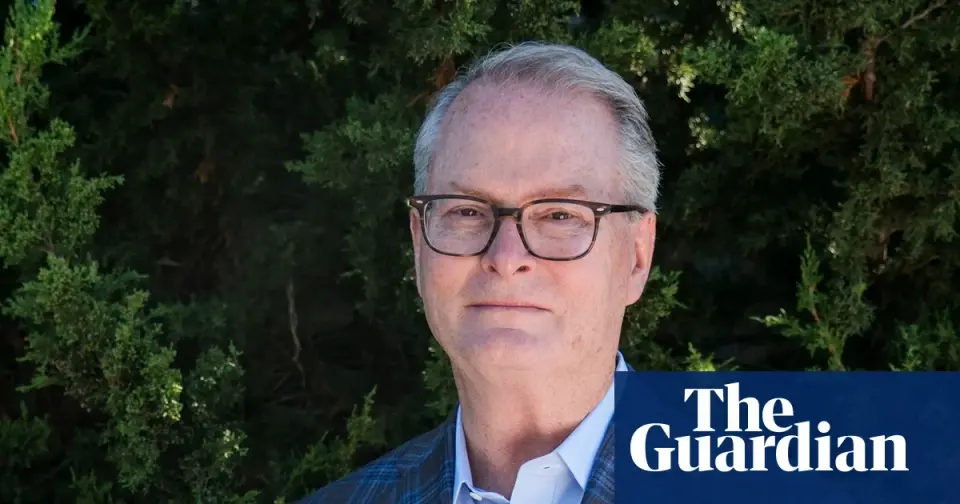
The Kansas Senate race between Democrat Adam Hamilton and Republican Roger Marshall is too close to call, threatening 94 years of GOP dominance. While Hamilton leverages his moderate, faith-based appeal to win independents, Marshall faces backlash from farmers over Trump-aligned policies and personal liabilities. Recent financial disclosures highlight a contradiction in Hamilton’s stance on AI, as he opposes data center tax breaks despite holding millions in tech stocks.
Key points
- Hamilton is polling within striking distance of Marshall, with some polls suggesting a historic Democratic victory in a state that has not sent a Democrat to the Senate since 1932.
- Marshall’s close alignment with President Trump has alienated key rural voters, particularly farmers facing rising costs from tariffs and the Iran conflict, which Marshall supported.
- Hamilton’s campaign emphasizes accessibility and bipartisanship, contrasting with Marshall’s perceived lack of engagement, including a town hall exit after 600 days.
- Financial disclosures show Hamilton holds up to $20 million in assets, including significant investments in AI and data center firms, despite publicly opposing tax breaks for these industries.
- Voters in Topeka cite rising living costs and housing affordability as primary concerns, with many expressing openness to voting across party lines due to frustration with current leadership.
Background
This race is part of a broader national trend where Democrats are gaining ground in traditionally red states due to low approval ratings for President Trump and economic dissatisfaction. Previous coverage noted that while Democrats hold a financial and polling edge in several midterms, Republicans remain competitive in narrow margins. Kansas has been a focal point for this shift, with Hamilton’s moderate messaging challenging the state’s long-standing Republican dominance.
How outlets are covering it
The Guardian emphasizes Hamilton’s personal appeal and his strategy to unite Republicans, Democrats, and independents, highlighting his criticism of Marshall’s lack of responsiveness. KCUR focuses on the economic pain of Kansas farmers, detailing how Marshall’s support for Trump’s tariffs and foreign policy has cost them export markets and increased input costs, leading some to view Marshall as out of touch. The New York Post highlights a potential contradiction in Hamilton’s platform, noting that while he opposes tax breaks for AI data centers, he holds substantial investments in companies like Apple, Microsoft, and NVIDIA, raising questions about his financial interests versus his policy positions.
Why it matters
A Democratic victory in Kansas would end nearly a century of Republican control in the state’s Senate delegation, signaling a significant shift in the political landscape. The race also reflects broader national tensions over economic policy, with voters weighing the impact of federal decisions on local livelihoods, particularly in agriculture and technology sectors.
What to watch
The election will be decided on November 3, 2026. Trump is scheduled to campaign in Wichita for Marshall, aiming to bolster support among rural voters. Hamilton continues to tour the state, focusing on issues like housing affordability and cost of living, while both candidates face scrutiny over their financial disclosures and policy stances on AI and data centers.
- Kansas Senate race on a knife edge as Democrats aim to end 94 years of Republican dominance The Guardian
- U.S. Sen. Roger Marshall's close ties to Trump may hurt his chances with Kansas farmers KCUR
- Could disillusioned Kansas voters send their first Democrat to the US Senate in 94 years? Reuters
- The Senate Race Republicans Never Expected to Sweat WSJ
- Kansas Dem Adam Hamilton, who made millions on Big Tech stocks, now running away from AI data center boom New York Post
Want the full story? Read the original reporting
Read on The Guardian