
Google Maps displays 'Lake America' for US users after Trump's executive order
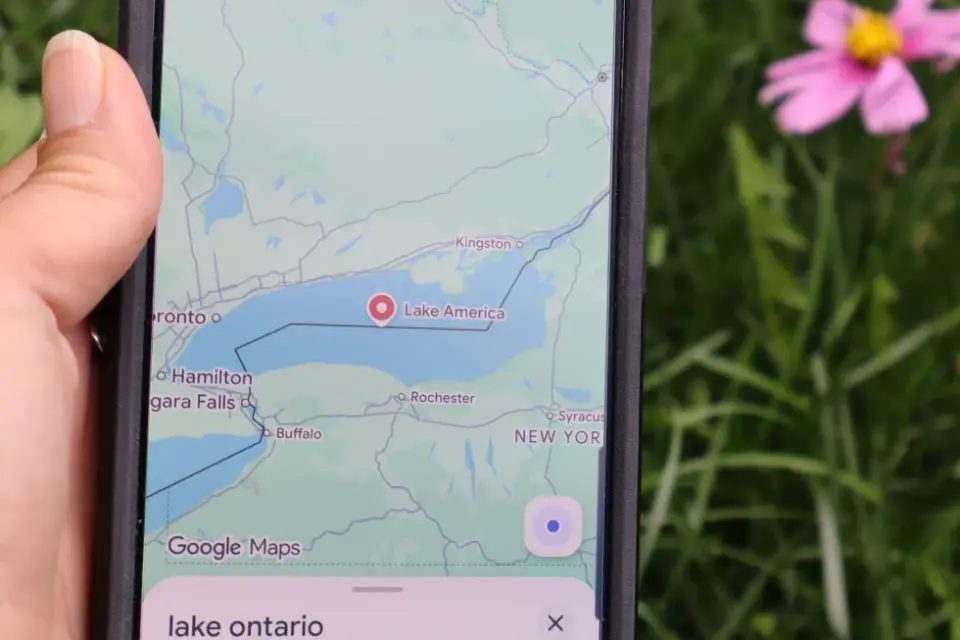
Google Maps has updated its interface to display 'Lake America' instead of 'Lake Ontario' for users in the United States, following President Donald Trump's executive order to rename the body of water. This move coincides with escalating trade tensions between the US and Canada, where Canadian officials and local businesses continue to reject the change. While the US government has updated its official geographic databases, the rename remains unrecognized by Canada and is viewed by some as a symbolic gesture amid broader disputes over national branding and sovereignty.
Key points
- Google Maps now shows 'Lake America' for US users, reflecting the US government's official name change.
- The rename was ordered by President Trump via executive order on August 27, 2026, amid a trade dispute with Canada.
- Canadian officials, including Ontario Premier Doug Ford, have rejected the change, maintaining that the lake's name remains 'Lake Ontario'.
- The US Interior Department updated the Geographic Names Information System to reflect the new name.
- The move is part of a broader pattern of Trump-era branding changes, including renaming the Gulf of Mexico and federal buildings.
Background
This development follows a series of name changes and branding initiatives by the Trump administration, such as renaming the Gulf of Mexico to the Gulf of America and adding Trump's name to federal institutions. The lake's original name, 'Ontario,' is derived from the Iroquoian word 'oniatarí:io,' meaning 'lake of shining waters,' and has historical ties to Indigenous Haudenosaunee stewardship. Previous coverage noted that Canadian officials and local businesses, such as a Rochester cafe, have dismissed the rename as inconsequential, with some cities passing resolutions to reaffirm the traditional name.
How outlets are covering it
AP News reports that Google Maps has implemented the name change for US users, citing the executive order. Axios and the Honolulu Star-Advertiser confirm the change but do not provide additional details. USA Today frames the rename as part of a broader trend of Trump imposing his name and branding on government and geographic entities, noting similar changes like the Gulf of America and the Department of War. Canadian officials, as reported in archive sources, view the rename as a symbolic political move that does not alter the lake's internationally recognized name. Experts have noted that a president cannot unilaterally change an internationally recognized geographic name, though the US has updated its internal databases.
Why it matters
The name change highlights the intersection of technology, geopolitics, and national branding. It underscores how digital platforms like Google Maps can reflect political decisions, potentially influencing public perception. The dispute also reflects broader tensions between the US and Canada, where symbolic gestures like name changes are used to assert sovereignty or make political statements. For users, it may cause confusion or highlight the politicization of geographic names, while for policymakers, it raises questions about the authority to rename shared international resources.
What to watch
The US government is expected to continue using 'Lake America' in official documents and databases, while Canada and other international entities will likely maintain 'Lake Ontario.' Legal or diplomatic disputes may arise if the name change affects maritime or trade regulations. Google Maps may continue to display different names based on user location, reflecting the divergent official positions. Further developments could include additional name changes or branding initiatives by the Trump administration, as well as potential pushback from Canadian officials or international bodies.
- Lake Ontario now called Lake America on Google Maps for US users after Trump ordered name change AP News
- Google Maps switches to "Lake America" as Canada compares change to SNL skit Axios
- Google Maps now show ‘Lake America’ not ‘Lake Ontario’ Honolulu Star-Advertiser
- Trump's naming game expands to buildings, ships, money and more USA Today
- Ford: Trump renaming Lake Ontario is ‘something out of “Saturday Night Live”‘ The Hill
Want the full story? Read the original reporting
Read on AP News