
Legal and logistical hurdles threaten Trump's Venezuela oil deal
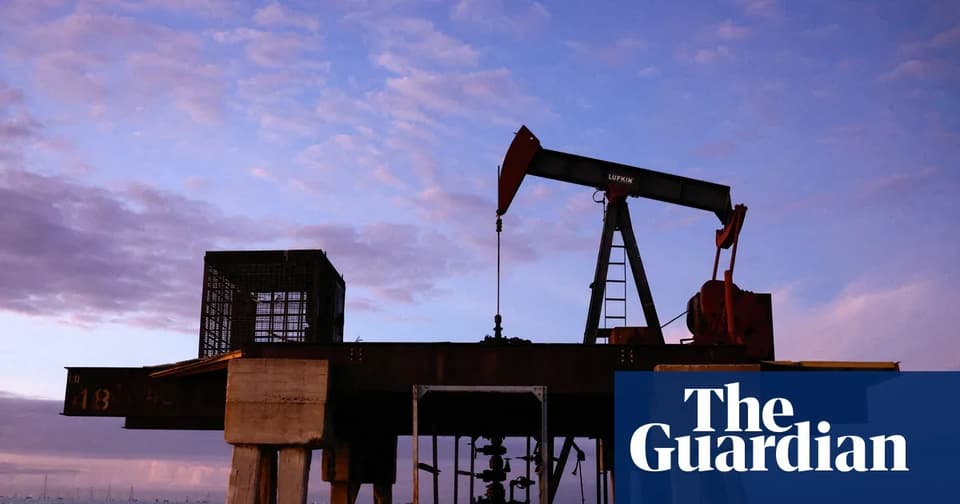
A Guardian investigation suggests the US-Venezuela oil deal is likely to collapse due to legal violations and logistical impossibilities. While Trump claims the US has secured majority control of 65 billion barrels of Venezuelan oil, experts note that the Pentagon's Office of Strategic Capital lacks legal authority to hold equity in private firms. Furthermore, the deal's central figure, Alejandro Betancourt, faces unresolved corruption allegations, and the promised 100-year term violates Venezuelan law, which caps agreements at 25 years.
Key points
- The US administration claims a 35% stake in North American Blue Energy Partners (Nabep), but Pentagon documents describe these as purchase warrants, not actual equity.
- Venezuelan law prohibits oil contracts longer than 25 years, contradicting Trump's claims of a 100-year agreement.
- The deal relies on Alejandro Betancourt, a businessman with a history of corruption investigations and a former client of Rudy Giuliani.
- Major oil companies and investors are avoiding the deal due to concerns over its opacity and the Pentagon's unusual role as an investment fund.
- The US Strategic Petroleum Reserve is unlikely to be refilled soon, as Venezuelan infrastructure remains severely degraded.
Background
In August 2026, the Trump administration announced a sweeping oil deal with Venezuela, following the US seizure of President Nicolás Maduro in January. The agreement, overseen by the Pentagon's Office of Strategic Capital, was touted as a way to secure energy dominance and refill US reserves. However, earlier reports noted that the deal's structure was highly unusual, with the Pentagon acting as a private equity fund, and that the timeline for actual oil production was uncertain due to Venezuela's decayed infrastructure.
How outlets are covering it
The Guardian and legal experts argue the deal is legally invalid and likely to fail, citing the Pentagon's lack of authority to hold equity and the violation of Venezuelan contract laws. In contrast, the Trump administration and the Pentagon describe the arrangement as a 'historic opportunity' that secures US control over 65 billion barrels of oil at zero taxpayer cost. The Winnipeg Free Press editorializes the situation as a moral decline, contrasting Trump's 'might makes right' rhetoric with the principles of international law. AFP provides a ground-level perspective from Mene Grande, highlighting the stark contrast between the promised investment and the reality of crumbling infrastructure and mass emigration in Venezuela's oil communities.
Why it matters
The outcome of this deal will determine whether the US can leverage its military and political influence to secure long-term energy resources. If the deal collapses, it could signal a failure of the Trump administration's foreign policy strategy and leave Venezuela's oil sector in further disarray. Conversely, if it succeeds, it would represent a unprecedented shift in how the US government engages in private equity and international resource management.
What to watch
Investors and major oil companies are likely to remain cautious until the legal and logistical issues are resolved. The US administration may face pressure from Congress to clarify the Pentagon's authority to hold equity in private companies. In Venezuela, the local population will continue to grapple with the immediate impacts of the crisis, including blackouts and economic hardship, while waiting for any tangible benefits from the promised investment.
- The truth behind Donald Trump’s ‘biggest oil deal in world history’ The Guardian
- Exclusive | Pentagon-Backed Oil Company Is Set to Vie for Chevron’s Crown in Venezuela WSJ
- Trump’s Venezuela Oil Deal Hinges on Decrepit and Distant Fields bloomberg.com
- Opinion: Two U.S. presidents, and America’s decline Winnipeg Free Press
- Venezuela's oil cradle pins hopes on US energy deals afp.com
Want the full story? Read the original reporting
Read on The Guardian