
5th Circuit Hears Arguments on Louisiana Bid to End Nationwide Abortion Pill Telehealth
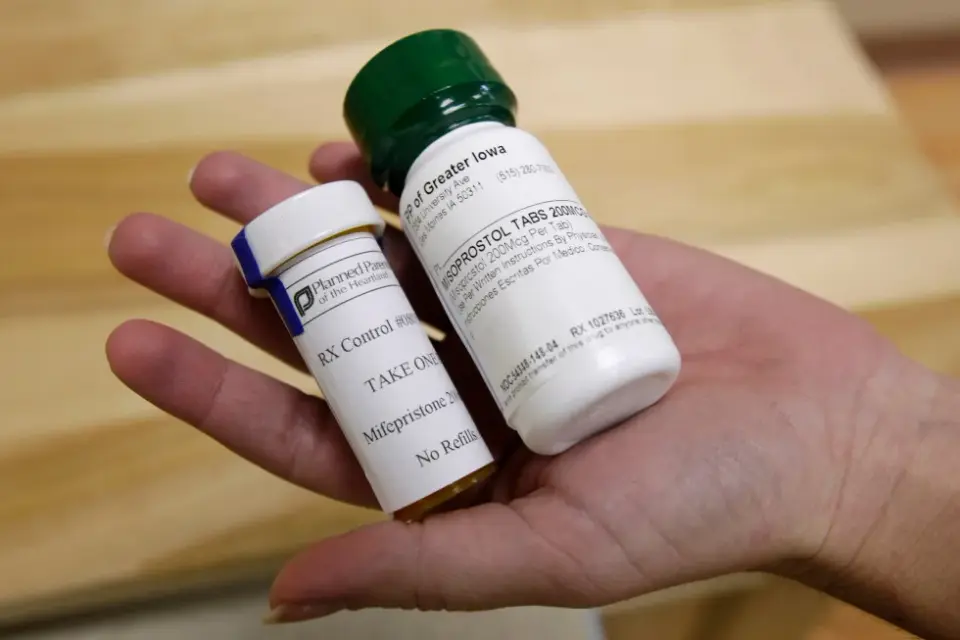
The 5th U.S. Circuit Court of Appeals heard oral arguments on Wednesday regarding a lawsuit filed by Louisiana seeking to overturn FDA rules that allow mifepristone, a key abortion pill, to be prescribed via telehealth and mailed to patients. Louisiana argues these federal regulations undermine its state abortion ban by allowing drugs to cross state lines. The case threatens to eliminate online access to medication abortion nationwide, including in states where abortion is legal. While the Supreme Court has temporarily blocked changes to prescribing rules, the outcome could force millions of patients to rely on in-person clinics, straining healthcare systems and increasing costs. The hearing highlighted tensions between state sovereignty and federal regulatory authority, with the Justice Department opposing the suit and the FDA currently reviewing the drug's safety profile.
Key points
- Louisiana sued the FDA, arguing that telehealth prescribing rules for mifepristone infringe on its right to ban abortion within its borders.
- The 5th Circuit Court of Appeals heard arguments on whether the FDA’s 2023 rules allowing mail delivery of the drug are valid.
- A ruling in favor of Louisiana could eliminate online access to abortion pills nationwide, affecting states where abortion is legal.
- The Supreme Court has issued an emergency order blocking changes to prescribing rules while it reviews the case.
- The FDA is currently reviewing mifepristone’s safety profile, and a judge has ordered a status update by October 7.
- Advocates warn that restricting telehealth would overwhelm clinics, increase costs, and worsen access for rural and low-income patients.
Background
This case follows the 2022 Supreme Court decision in Dobbs v. Jackson Women’s Health Organization, which overturned Roe v. Wade and allowed states to regulate abortion. Since then, 13 states have banned abortion at all stages, while others have enacted shield laws to protect access. The current dispute centers on FDA rules adopted in 2023 that removed in-person visit requirements for mifepristone, a move that increased the use of medication abortion, which now accounts for two-thirds of U.S. abortions. Earlier coverage noted that similar legal challenges from states like Texas and Florida have emerged, reflecting a broader national conflict over post-Roe abortion access.
How outlets are covering it
AP News and CNN report that the 5th Circuit panel, which includes judges appointed by Biden, Obama, and Bush, debated Louisiana’s standing and the FDA’s regulatory authority. CNN notes that the Justice Department opposed the suit, arguing procedural issues, while the FDA is reviewing the drug’s safety. AP highlights that the Supreme Court has blocked changes to prescribing rules, creating a stalemate. Politico emphasizes the conflict between red and blue states, with California’s Attorney General Rob Bonta arguing that Louisiana’s suit improperly imposes restrictions on other states. Bonta and 21 other Democratic attorneys general filed a brief warning that the ruling could harm healthcare access in blue states. MS NOW features an ER doctor’s perspective, arguing that restricting mifepristone endangers patients by limiting treatment options for miscarriages and abortions, as the drug is safe and effective for both. The doctor notes that a 2023 JAMA study found that abortion bans led to a 13.8% increase in the use of misoprostol alone, a less effective alternative. All sources agree that the case has significant implications for abortion access, but they differ in emphasis: AP and CNN focus on the legal and procedural aspects, while Politico and MS NOW highlight the political and medical consequences for patients and states.
Why it matters
The outcome of this case could determine whether millions of Americans can access abortion pills via telehealth, a method that has become increasingly important since the overturning of Roe v. Wade. If the 5th Circuit rules in favor of Louisiana, it could force a nationwide shift to in-person prescriptions, straining clinics and increasing costs for patients. This could disproportionately affect rural and low-income individuals, who rely on telehealth for access. The case also highlights the ongoing tension between state sovereignty and federal regulatory authority, with implications for other healthcare policies. Additionally, the FDA’s review of mifepristone’s safety and the Supreme Court’s involvement suggest that the legal battle will continue, potentially influencing the 2026 midterm elections and future abortion-related legislation.
What to watch
The 5th Circuit Court of Appeals is expected to issue a ruling in the coming weeks, though the Supreme Court may have the final say. The FDA has been ordered to provide a status update on its safety review of mifepristone by October 7, ahead of the midterm elections. If the 5th Circuit rules in favor of Louisiana, the case could be appealed to the Supreme Court, which has already blocked changes to prescribing rules. The FDA’s review of the drug’s safety profile may also influence the outcome, as the agency is currently examining whether the 2023 rules were appropriate. Advocates and opponents are preparing for potential legal challenges, with the possibility of further litigation from other states or federal agencies. The case will likely continue to shape the national debate over abortion access and the role of federal regulations in post-Roe America.
- An appeals court is considering a push to restrict most common abortion method AP News
- Louisiana’s abortion pill case could wipe out access in blue states Politico
- Appeals court considers future of nationwide access to medication abortion CNN
- A Louisiana case could upend telehealth abortion. What exactly is it? NPR
- Opinion | I'm an ER doctor. I use mifepristone to save lives — not end them. MS NOW
Want the full story? Read the original reporting
Read on AP News