
Midterm Results Trigger Bipartisan Push to Restrict US Aid to Israel
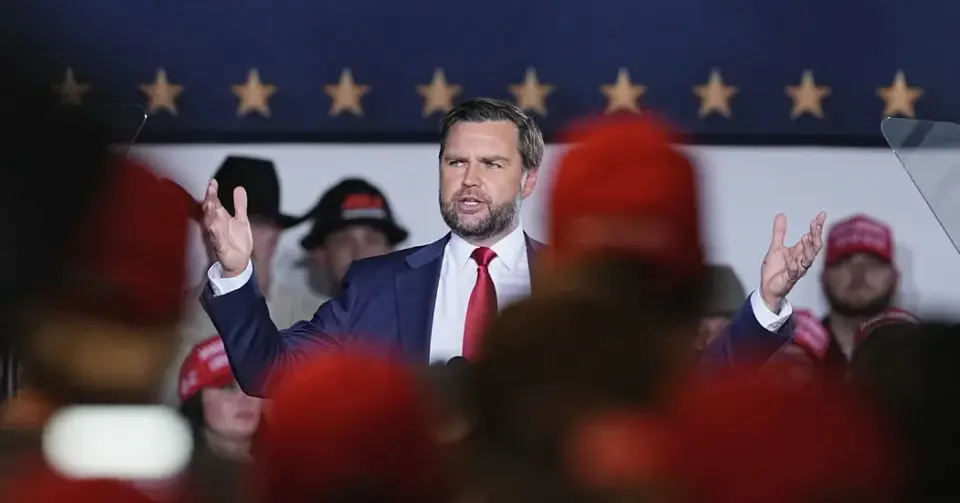
The 2026 US midterm elections resulted in a significant shift in American political sentiment regarding Israel, with both major parties moving to restrict military and financial support. Vice President JD Vance, a potential 2028 presidential candidate, publicly called for ending the war against Iran and changing the US relationship with Israel to help Republicans recover from their electoral losses. Simultaneously, President Trump halted a $4 billion aid package, a move that coincided with the election results. Democrats, now controlling Congress, are also driving campaigns to limit military aid, with internal party divisions emerging over the issue. This marks a dramatic erosion of the traditional bipartisan support Israel has enjoyed in Washington, prompting concerns about the future of the special relationship and potential changes in US foreign policy.
Key points
- Vice President JD Vance stated that Republicans must end the war against Iran and change their relationship with Israel to win future elections.
- President Trump announced the termination of a $4 billion financial aid package to Israel on the day of the midterm elections.
- Democrats, who won majorities in both chambers, are pushing to restrict military aid to Israel, with some lawmakers citing concerns about the war in Gaza.
- The shift in US sentiment has been described as sudden and dramatic, with analysts noting that Israel's political standing in America has degraded significantly.
- Internal divisions within the Democratic Party over Israel have emerged, with some candidates withdrawing support for others based on their stance on the issue.
Background
This development follows a period of heightened tensions in the Middle East, including the US-Iran conflict that stalled until the midterms due to political constraints and oil prices. Israel's recent elections resulted in a fragmented parliament, with neither Prime Minister Benjamin Netanyahu nor challenger Gadi Eisenkot securing a majority, leading to uncertainty in coalition formation. The US Senate is also poised to vote on a controversial permitting bill, reflecting broader political shifts in Washington.
How outlets are covering it
The New York Times highlights the bipartisan nature of the shift, noting that both Republicans and Democrats are pushing for new limits on support for Israel. The Atlantic emphasizes the internal divisions within the Democratic Party, with some lawmakers withdrawing support for candidates based on their stance on Israel. NBC News focuses on the impact of the midterms and Trump's aid cut on Netanyahu, describing the shift in US sentiment as sudden and dramatic. The Jerusalem Strategic Tribune argues that Israel's political standing in America has been significantly degraded and calls for a systematic rethinking of current policies and positions, including restoring bipartisanship in Washington and addressing the alienation of American Jewry.
Why it matters
The erosion of bipartisan support for Israel in the US could have significant implications for the special relationship between the two countries and for US foreign policy in the Middle East. The shift in political sentiment may lead to changes in military and financial aid to Israel, potentially affecting its security and strategic position. Additionally, the internal divisions within the Democratic Party over the issue could impact the party's ability to form a cohesive policy on Israel and the Middle East. The development also highlights the broader challenges facing US foreign policy in a polarized political environment.
What to watch
The US Senate is expected to vote on the Bipartisan American Affordability and Jobs Act, which could have implications for energy costs and clean infrastructure. The Democratic Party will need to navigate internal divisions over Israel as it controls Congress. Israel will need to address the erosion of its political standing in America and potentially adjust its policies to restore bipartisan support. The US and Israel will need to negotiate new modes of cooperation to replace the Foreign Military Financing package. The situation in the Middle East, including the US-Iran conflict, will remain a key focus for US foreign policy.
- Bipartisan Support for Israel Erodes as Both Sides Push for New Limits The New York Times
- The Democrats’ Fight Over Israel Is Just Beginning The Atlantic
- Israel reels as midterms and Trump’s $4 billion aid cut point to dramatic shift in U.S. relations NBC News
- What Should Be Israel’s Lessons from the US Midterm Elections? The Jerusalem Strategic Tribune
- With both countries' elections concluded, can Israel reset its US ties? - editorial The Jerusalem Post
Want the full story? Read the original reporting
Read on The New York Times