
Midterm Vote Driven by Inflation and Gas Prices Despite Strong GDP
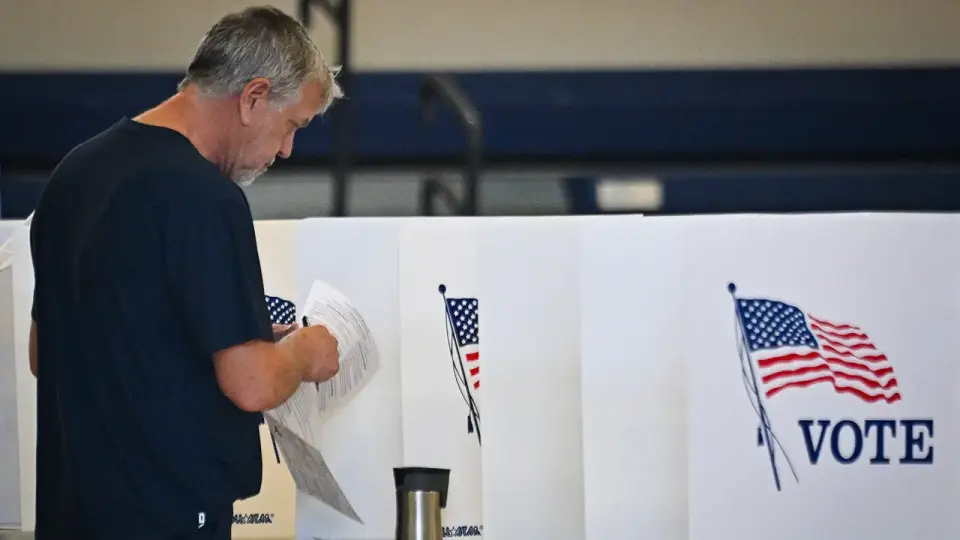
American voters are prioritizing cost-of-living concerns in the November 3 midterm elections, with 60% to 48% citing it as their top issue. High gasoline prices, driven by the Iran conflict, and persistent inflation above the Federal Reserve's 2% target are fueling dissatisfaction, even as macroeconomic indicators like GDP growth remain strong. Polls show 74% of Americans rate the economy poorly, reflecting a disconnect between official metrics and household realities.
Key points
- Fox News survey: 60% of voters cite cost of living as top economic concern; 74% rate the economy negatively.
- CPI inflation reached 3.7% in September, driven by a 9.1% monthly jump in gasoline prices, which are 34.2% higher than a year ago.
- Reuters/Ipsos poll: 48% of registered voters rank cost of living as the top voting issue, ahead of democratic norms (26%) and immigration (13%).
- 49% of Americans report household finances have worsened since January 2025, with 54% of Hispanic voters reporting financial decline.
- GDP grew 3.4% in Q3 2026, and consumer spending rose 3.8%, yet 74% of Americans rate the economy poorly, highlighting a perception gap.
Background
This election follows a period of rising energy costs due to the US-Israeli war with Iran, which began in February 2026. Previous coverage noted that while the S&P 500 rose over 26%, average Americans felt financially squeezed by gas, mortgage rates, and home prices. Trump’s approval rating has fallen to career lows, partly due to voter dissatisfaction with the cost of living and the Iran conflict. Earlier polls indicated that 74% of Americans rated the economy poorly, creating a disconnect between macroeconomic indicators and household reality.
How outlets are covering it
Fox Business emphasizes gasoline prices as a central driver of affordability concerns, with Ben Lieberman noting that the Iran war has worsened perceptions of the economy. The Washington Post highlights the disconnect between strong GDP growth and poor purchasing power, arguing that inflation is the key reason voters are sour on the economy. The Detroit News (Reuters/Ipsos) provides a broader view, showing that 48% of voters prioritize cost of living, while 42% are concerned about data center construction and 38% about transgender sports. CNN focuses on the human impact, noting that 74% of Americans rate the economy poorly, and that many feel ignored by policymakers, with 29% saying neither party would do a better job on the economy.
Why it matters
The midterm elections will determine control of Congress for the last two years of Trump’s term, with cost-of-living concerns likely to shape the outcome. The disconnect between strong macroeconomic indicators and household financial struggles could lead to significant political shifts, as voters prioritize immediate affordability over long-term growth. The Iran war’s impact on energy prices and inflation is a key factor in voter sentiment, and the results may influence future economic and foreign policy decisions.
What to watch
The November 3 midterm elections will determine the balance of power in Congress, with cost-of-living concerns likely to be a decisive factor. The results may influence future economic policy, including potential changes in energy policy, inflation control, and social safety nets. The disconnect between macroeconomic indicators and household realities may continue to shape political discourse, with policymakers facing pressure to address immediate affordability concerns.
- Affordability takes center stage as Americans cast their ballots in high-stakes midterms Fox Business
- Opinion | The inflation election The Washington Post
- Nine things on US voters' minds ahead of midterm elections, according to poll The Detroit News
- ‘Nobody’s listening’: 5 things Americans told me about the economy that Washington needs to hear CNN
- A Midterm Campaign Dominated by Concerns Over High Prices Nears Its End The New York Times
Want the full story? Read the original reporting
Read on Fox Business