
NAACP Urges Judge Walton to Block DOJ's Use of Federal Agents as Poll Monitors
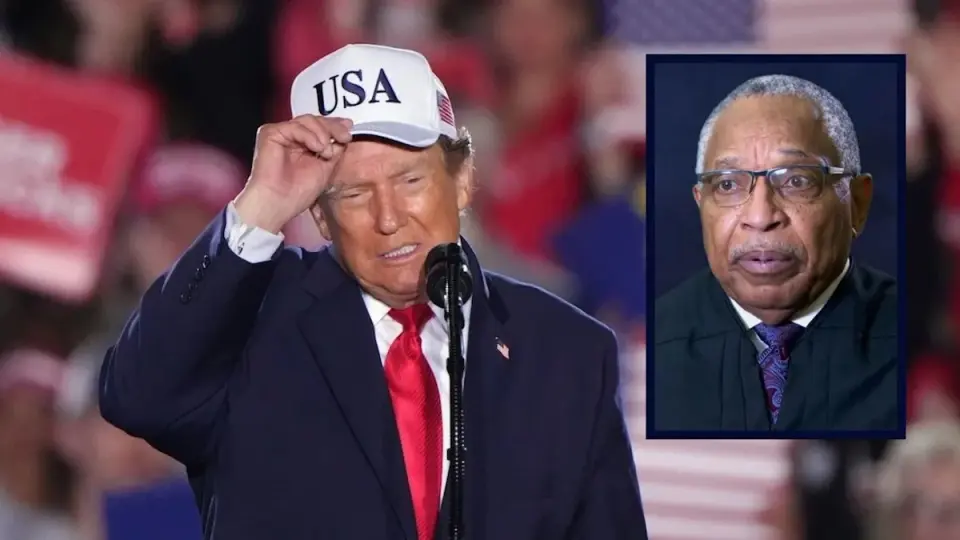
The NAACP and three individual voters filed an emergency motion on Sunday, November 2, 2026, asking Senior U.S. District Judge Reggie Walton to issue a temporary restraining order. They seek to block the Department of Justice (DOJ) from deploying federal law enforcement agents from the Bureau of Prisons, DEA, and ATF as election monitors for the November 3 midterms. Plaintiffs argue this is an unprecedented departure from normalcy that constitutes voter intimidation. Judge Walton scheduled a hearing for Monday at 1:30 p.m. ET. While the DOJ claims these personnel will not carry firearms or act as law enforcement, critics note that these individuals are sworn officers with authority to detain and arrest. This legal challenge follows recent court orders halting other federal attempts to coerce state election officials regarding noncitizen voter lists.
Key points
- The NAACP and plaintiffs Rev. Andre Miller, Nicholas Little, and Daniella Pierre filed a motion for a temporary restraining order and preliminary injunction in Judge Reggie Walton's court on Sunday.
- The motion alleges that the DOJ's plan to deploy personnel from the Bureau of Prisons, DEA, and ATF as poll monitors is a 'drastic break' from institutional norms and serves to intimidate voters.
- Plaintiffs argue that even without firearms, these federal agents retain the authority to investigate, detain, and arrest, creating a chilling effect on in-person voting.
- Judge Walton ordered DOJ counsel to enter an appearance by 10:30 a.m. Monday and to oppose the motion by noon, with a hearing scheduled for 1:30 p.m. ET.
- The DOJ previously submitted a declaration in a separate lawsuit claiming that 1,000 monitors would be deployed, but that they would be prohibited from carrying firearms and that ICE or FBI agents would not serve in monitor roles.
- The filing cites a declaration by Eric Neff, head of the DOJ’s Civil Rights Division Voting Section, who claimed the monitors would not act as law enforcement personnel, a claim the NAACP disputes as inconsistent with the status of the deployed agents.
Background
This emergency motion is part of a broader legal conflict surrounding the 2026 midterm elections. In late October, federal judges issued temporary restraining orders halting the Trump administration's attempts to coerce state election officials into removing voters from registration rolls or segregating ballots based on disputed noncitizen lists. A California judge also delayed a ruling on the seizure of 20,000 mail-in ballots, citing data errors in the DOJ's claims. The current motion focuses specifically on the physical presence of federal agents at polling places, a distinct issue from the earlier disputes over voter roll integrity and ballot counting.
How outlets are covering it
The NAACP and its plaintiffs view the deployment of federal law enforcement agents as an unlawful and unprecedented intimidation tactic that violates the Voting Rights Act. They argue that the presence of sworn officers, even without firearms, deters voters, particularly in communities with recent federal hostility, such as Miami-Dade County. In contrast, the DOJ maintains that its actions are consistent with past practices, asserting that the monitors will not carry firearms or engage in law enforcement activities. The DOJ argues that the Voting Rights Act's prohibition on intimidation does not apply to the federal government itself. Civil rights groups like the ACLU of Illinois note that while federal observers are not unusual, the specific composition of the monitoring team and the rhetoric surrounding it have raised alarms. Some legal experts suggest that while the presence of agents alone may not constitute intimidation, the context and conduct could raise legal concerns. The DOJ's position is that it is merely ensuring honest elections, while critics see it as a power play to suppress turnout.
Why it matters
The outcome of this case could set a precedent for the role of federal law enforcement in state-run elections. If the court grants the restraining order, it would prevent the DOJ from using its law enforcement personnel as poll monitors, potentially reducing the perceived threat of federal interference. Conversely, if the court denies the motion, it could validate the administration's approach to election monitoring, potentially leading to increased tensions and claims of voter suppression. The ruling will also influence how future administrations interpret the boundaries of federal authority in election administration, particularly regarding the deployment of agents with law enforcement powers in polling places. Given the close margins in many midterm races, any perceived intimidation could have a measurable impact on voter turnout and the overall outcome of the election.
What to watch
Judge Walton is expected to rule on the emergency motion on Monday, November 2, 2026, following the 1:30 p.m. ET hearing. The DOJ has until noon to file its opposition. If the court grants the temporary restraining order, the DOJ would be barred from deploying federal law enforcement agents as poll monitors on Election Day. If denied, the deployment would proceed as planned. The NAACP and other civil rights groups are expected to continue monitoring polling places for any signs of federal interference and may file additional lawsuits if they observe conduct that they believe constitutes voter intimidation. The outcome of this case will likely be closely watched by legal experts, civil rights organizations, and the public as a test of the limits of federal power in election administration.
- Emergency motion asks judge to restrain Trump DOJ's 'drastic break' from normalcy and 'halt their intimidation' of voters at polls Yahoo
- Get the Facts: Can federal agents be at polling places? What voters should know WLWT
- Groups remain alert as DOJ plan swaps armed agents for observers at polls The Center Square
- Judge Warns ‘Hell to Pay’ If DOJ Misstated Role of Poll Monitors Bloomberg.com
- NAACP asks court to block DOJ from deploying federal agents as election monitors Democracy Docket
Want the full story? Read the original reporting
Read on Yahoo