
NC Early Voting Opens with Record Wake County Sites Amid ID and Registration Scrutiny
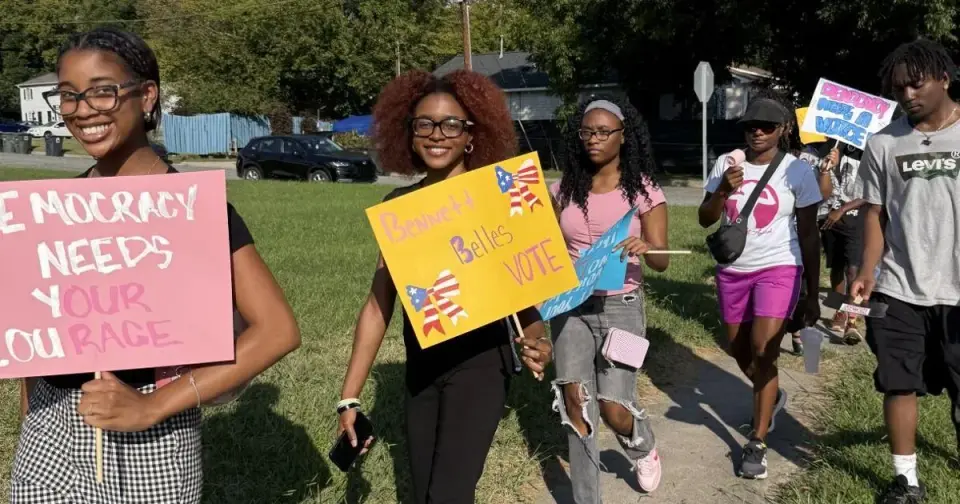
North Carolina’s early voting period for the 2026 midterm elections began on October 15, running through October 31. Wake County offers a record 18 polling locations, while Mecklenburg County saw over 20,000 votes cast on the first day. Voters must present photo ID, and same-day registration is available only during early voting, not on Election Day.
Key points
- Early voting runs from October 15 to October 31, with Election Day on November 3.
- Wake County provides 18 early voting sites, the most for a midterm election in its history.
- Mecklenburg County recorded 20,980 total votes (in-person and mail) on the first day of early voting.
- Voters must present valid photo ID; those without ID may cast provisional ballots or file an exception form.
- Same-day registration is permitted during early voting but not on Election Day, requiring proof of residency for 30 days prior.
Background
This election cycle follows heightened national attention on student activism and voting access, as seen in recent HBCU protests regarding justice and transparency. In North Carolina, the focus has shifted to logistical access and identification requirements, with no major spyware or surveillance allegations reported locally unlike in other global contexts.
How outlets are covering it
WRAL and the Wake County Board of Elections emphasize logistical accessibility, highlighting the record number of sites in Wake County and the flexibility to vote at any county location. The Charlotte Observer focuses on voter participation metrics and specific ballot measures, noting the high turnout in Mecklenburg County and the inclusion of three constitutional amendments on the ballot. All sources agree on the strict photo ID requirements and the limited window for same-day registration, though WRAL notes that state officials have revised rules to make it easier for administrators to reject exemption claims.
Why it matters
The 2026 midterms determine control of the U.S. House, state legislatures, and local offices, with significant implications for voter ID laws and tax policies. The logistical expansion of polling sites and strict ID enforcement reflect ongoing debates over voting access and election integrity in North Carolina.
What to watch
Voters should monitor live wait-time trackers to avoid long lines, particularly during the final days of early voting. Those without photo ID must submit exception forms by noon on November 10. Absentee ballots must be received by 7:30 p.m. on November 3 to be counted.
- Hundreds of college students took part in early voting Thursday Greensboro News and Record
- Early voting begins in North Carolina. Here's where to vote and what to know WRAL
- Early voting now underway for the 2026 General Election Wake County Government (.gov)
- Voting has begun in NC’s 2026 midterm election. What voters need to know Charlotte Observer
- After losing on-campus voting sites, NC A&T and UNCG students march to polls WFDD
Want the full story? Read the original reporting
Read on Greensboro News and Record