
New Haven Bans Federal Monitors as DOJ Targets City for Election Day Oversight
The U.S. Department of Justice (DOJ) plans to send two teams of federal election monitors to New Haven, Connecticut, for the November 3 midterms, making it the only municipality in the state targeted. Local officials, including Mayor Justin Elicker and both Democratic and Republican registrars of voters, have prohibited these monitors from entering polling places, citing concerns over voter intimidation and state laws. The DOJ asserts the monitors are there to observe compliance with federal voting rights statutes, particularly regarding language assistance, while local leaders argue the presence is counterproductive and potentially intimidating. This local standoff reflects a broader national dispute over the DOJ’s deployment of approximately 1,000 monitors across all 50 states, which civil rights groups and some state officials have challenged as an attempt to suppress turnout or cast doubt on election integrity.
Key points
- DOJ Civil Rights Division notified New Haven City Clerk Michael Smart on Oct. 21 that it intends to send two teams of two people to observe polling places on Nov. 3.
- New Haven is the only Connecticut municipality targeted by the DOJ, according to Secretary of State spokesperson Matthew Clyburn.
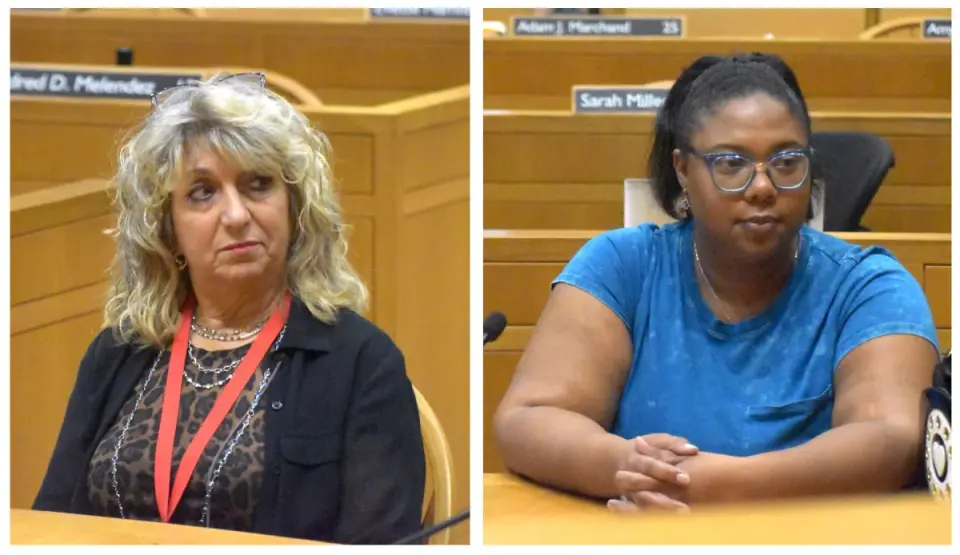
- Mayor Justin Elicker and Registrars of Voters Shannel Evans (D) and Lisa Milone (R) issued a joint letter stating that election monitors are not permitted to enter any polling places in the city.
- The DOJ stated the monitors will only observe and not interfere, focusing on compliance with federal laws like the Voting Rights Act and language assistance requirements.
- The city has not been told which specific polling sites the DOJ intends to monitor, though all New Haven sites are subject to federal language-assistance requirements.
- Over 3,500 residents have already voted in New Haven during the early voting period.
Background
This local conflict is part of a larger national trend where the DOJ has deployed approximately 1,000 election monitors across all 50 states for the 2026 midterms, the largest such effort in history. Previous coverage indicates that this deployment has sparked legal battles and access disputes in key battlegrounds, with some states like Colorado rejecting entry into polling places. Civil rights groups, including the NAACP, have filed lawsuits to block the monitoring, arguing it violates laws prohibiting voter intimidation and exceeds federal authority. In other states, such as Oklahoma and California, local officials and volunteers are mobilizing to counter or document the presence of federal monitors, reflecting widespread concern that the initiative may be used to suppress turnout or cast doubt on election integrity.
How outlets are covering it
The DOJ, represented by senior trial attorney James Thomas Tucker, frames the deployment as a routine compliance measure to ensure adherence to federal voting rights statutes, including the Voting Rights Act and language assistance requirements. They emphasize that monitors will only observe and not interfere. In contrast, New Haven’s leadership, including Mayor Elicker and both registrars, view the presence as counterproductive and potentially intimidating, arguing that it makes polling places feel less accessible. They cite state laws restricting poll watcher activity and the current political climate of rhetoric aimed at casting doubt on election integrity. National perspectives vary: the NAACP and some state officials in Colorado and Wyoming question the intent of the expanded monitoring, viewing it as a tool for voter suppression, while others, like Oklahoma’s State Election Board, confirm that monitors will follow state law and not enter polling places. The debate centers on whether the monitoring is a legitimate protection of voting rights or an attempt to intimidate voters and undermine confidence in the electoral process.
Why it matters
The New Haven standoff highlights the escalating tensions between federal and local authorities over election integrity and voter access. The city’s decision to ban federal monitors from polling places, supported by both Democratic and Republican registrars, signals a unified local resistance to what is perceived as federal overreach or intimidation. This move could set a precedent for other jurisdictions facing similar DOJ deployments, potentially influencing how states and cities handle federal election monitoring in the future. Additionally, the dispute underscores the broader national concern that the DOJ’s expanded monitoring effort may be used to suppress turnout or cast doubt on election results, particularly in areas with significant non-English-speaking populations. The outcome in New Haven could have implications for voter confidence and participation in the 2026 midterms, as well as for the legal and political boundaries of federal election oversight.
What to watch
The DOJ has not disclosed the specific polling sites in New Haven it intends to monitor, and the city has not responded to requests for comment. The DOJ’s Civil Rights Division has requested a Microsoft Teams call to discuss the matter, but no meeting has been confirmed. Local officials are preparing to enforce state laws restricting poll watcher activity and will provide guidance to poll site moderators. U.S. Rep. Rosa DeLauro has urged residents to vote early to avoid any potential intimidation. The situation will likely evolve as the DOJ clarifies its plans and as local officials enforce their ban on monitor entry. The broader national deployment of 1,000 monitors across all 50 states will continue to face legal challenges and public scrutiny, with potential implications for voter turnout and confidence in the 2026 midterms.
- DOJ Singles Out City For Election Monitors New Haven Independent
- Neutral observers from both DOJ, civil rights groups not allowed inside polling places in VB on Election Day WAVY.com
- DOJ plans to monitor New Haven election polls. City says monitors can't enter CT Insider
- U.S. Justice Department to deploy federal elections monitors to Alaska, locations unknown Anchorage Daily News
- OKC lawmaker trains volunteers to watch federal election monitors The Oklahoman
Want the full story? Read the original reporting
Read on New Haven Independent