
Ohio Senate Race Hinges on Rural Economic Grievance Amid Record Spending
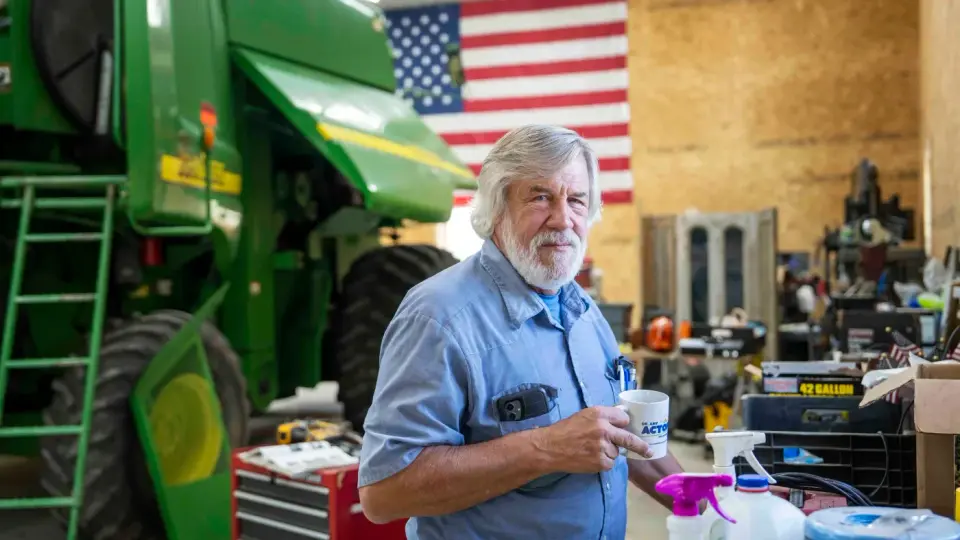
The Ohio U.S. Senate race between incumbent Republican Jon Husted and former Democrat Sherrod Brown has become a critical national battleground, driven by rural voter dissatisfaction with inflation and healthcare costs. While Democrats narrowly lead in polling, Republicans have poured over $460 million into the race, relying on national figures like President Trump and Elon Musk to counter economic anxieties.
Key points
- Cook Political Report polling shows Sherrod Brown leading Jon Husted 49% to 43% in Ohio, a state President Trump won by double digits in 2024.
- Rural voters cite rising diesel, fertilizer, and healthcare costs as primary drivers of their shifting political support, with some former Republicans now backing Brown.
- The race has attracted over $460 million in spending, making it one of the most expensive in the nation, with significant contributions from Trump and Elon Musk.
- Third-party and independent voters hold the balance of power, as Brown needs only a small percentage of these voters to secure a majority, while Husted requires nearly all of them.
- Ohio’s Senate seat is pivotal for national control, as the winner will serve out the remainder of Vice President JD Vance’s term until 2028.
Background
Ohio has historically been a swing state but recently shifted reliably Republican. However, 2026 midterms have seen a surge in Democratic support in rural areas, mirroring trends in Iowa and Texas. Previous coverage noted that economic pain and independent challengers are threatening the GOP’s rural base, with Democrats gaining traction in farm country for the first time in decades. This shift is part of a broader national trend where red-state Senate races have turned competitive, prompting analysts to reassess the 2028 presidential map.
How outlets are covering it
NPR emphasizes the personal financial struggles of rural Ohioans, such as farmers and small business owners, who are disillusioned with both parties but leaning toward Brown due to economic hardship. The Cook Political Report highlights the statistical narrowness of the Democratic lead and the critical role of third-party voters, noting that Trump’s unpopularity is dragging down Republican candidates. The Columbus Dispatch focuses on the massive financial investment in the race, noting that over $460 million has been spent, with Trump and Elon Musk pouring millions into the campaign to counter the Democratic momentum. While NPR and CPR focus on voter sentiment and polling, the Dispatch underscores the resource disparity and the high stakes of the race.
Why it matters
The outcome of the Ohio Senate race could determine control of the U.S. Senate, with the winner serving out the remainder of JD Vance’s term. The race reflects a broader national trend of rural voters rebelling against economic policies, potentially shifting the political landscape for the 2028 presidential election. The massive spending and national involvement highlight the high stakes and the potential for a close, decisive contest.
What to watch
With two weeks until Election Day, the movement of undecided and third-party voters will be crucial. Both campaigns are intensifying outreach to rural areas, with Brown focusing on economic issues and Husted leveraging national support. The final outcome will depend on whether rural voters prioritize economic relief or party loyalty, potentially reshaping the Senate majority.
- Ohio could decide control of the Senate. Its rural voters might decide the winner NPR
- New CPR Battleground Polls: Dem Senate Candidates Narrowly Lead in OH, TX, IA Cook Political Report
- Democrats lead in key Ohio races, poll shows 10TV
- Two Ohio polls put Amy Acton, Sherrod Brown ahead in Ohio’s Senate, governor’s races NBC4 WCMH-TV
- Who's bankrolling Ohio Senate race? Trump and Elon Musk, for starters The Columbus Dispatch
Want the full story? Read the original reporting
Read on NPR