New polling indicates Donald Trump’s approval is sinking among rural Americans as farmer anger grows, potentially eroding his support in crucial rural districts ahead of upcoming elections.
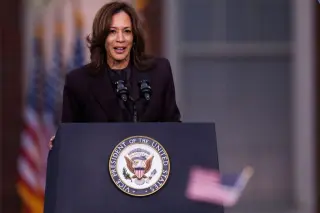
The DNC’s 192-page post‑election autopsy, released with a disclaimer about sourcing, highlights four takeaways: the report is not comprehensive and omits key factors (like Biden’s decision to run and Gaza/Israel issues); Kamala Harris was not properly positioned to lead; Trump wasn’t subjected to enough negative campaigning by Democrats; and the party needs a major rethink of outreach to rural and Latino voters, focusing on economic messaging and direct engagement. The leadership also questions the sourcing and completeness of the findings.
In rural Colorado, Trump supporters say enduring higher gas prices is worth the cost to prevent Iran from developing a nuclear weapon, a view that underscores a durable bond with Trump even as national polls show waning support on the economy.
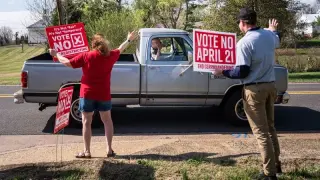
Republicans in rural Virginia are being mobilized to oppose a Democratic-led redistricting referendum that would redraw the state’s congressional map, a fight amplified by large Democratic ad spending (over $48 million) and GOP counter-messaging. The campaign, which included rallies in the Shenandoah Valley and warnings from Republican-aligned figures about a MAGA power grab, underscores how the map could reshape 10 of Virginia’s 11 House seats. Democrats argue the plan would curb urban-rural distortions, while Republicans warn it threatens rural voices. A Washington Post poll shows 52% of likely voters support the referendum, and early voting data hint a Democratic edge as election day approaches Tuesday; legal challenges to the map continue in court.
Texas congresswoman Jasmine Crockett spent eight formative years in Texarkana and Bowie County, helping build the local Democratic Party and defend residents as a public defender; now running in a high-profile Democratic primary for U.S. Senate, she argues her East Texas roots and experience with rural and Black voters could boost turnout in a region that has trended Republican, using a bottom-up, tech-enabled campaign and surrogates to energize voters in smaller towns and counties.
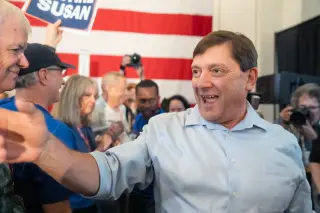
Democrat Spanberger made significant inroads with rural voters in Virginia by emphasizing opposition to Trump's tariffs, outperforming previous Democratic margins, and her success is seen as a blueprint for Democrats in upcoming midterms to regain control of the House by focusing on affordability and rural issues.
Congresswoman Spanberger is actively courting Trump voters in rural Virginia to bolster Democratic support amid declining polls and challenges faced by rural sectors, aiming to set a strategy for future elections in less urban districts.
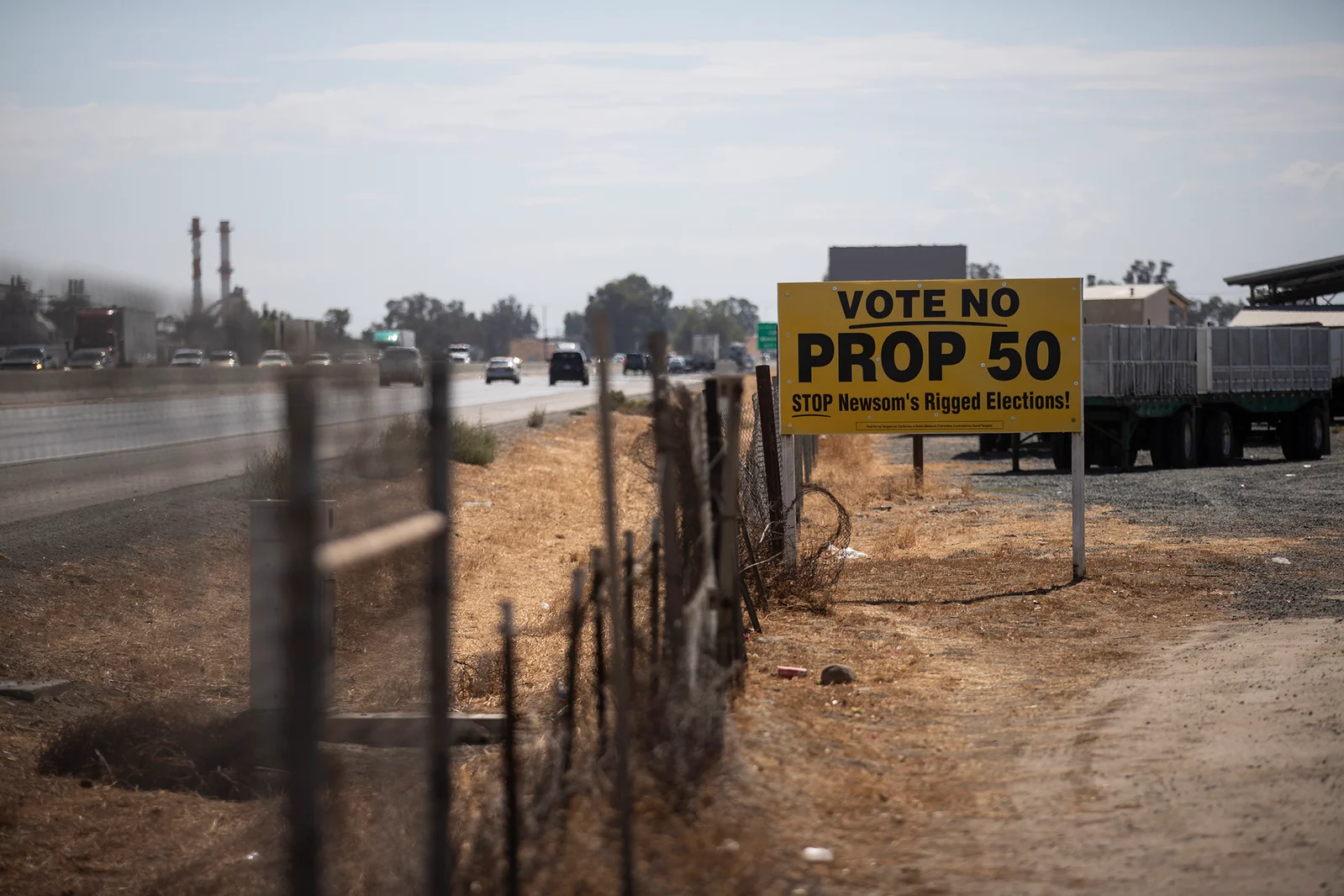
Rural voters in California's 22nd Congressional District show mixed awareness and opinions about Proposition 50, with some concerned about local issues like water and cost of living, while others see the measure as a political power grab, amid a highly contested election environment.
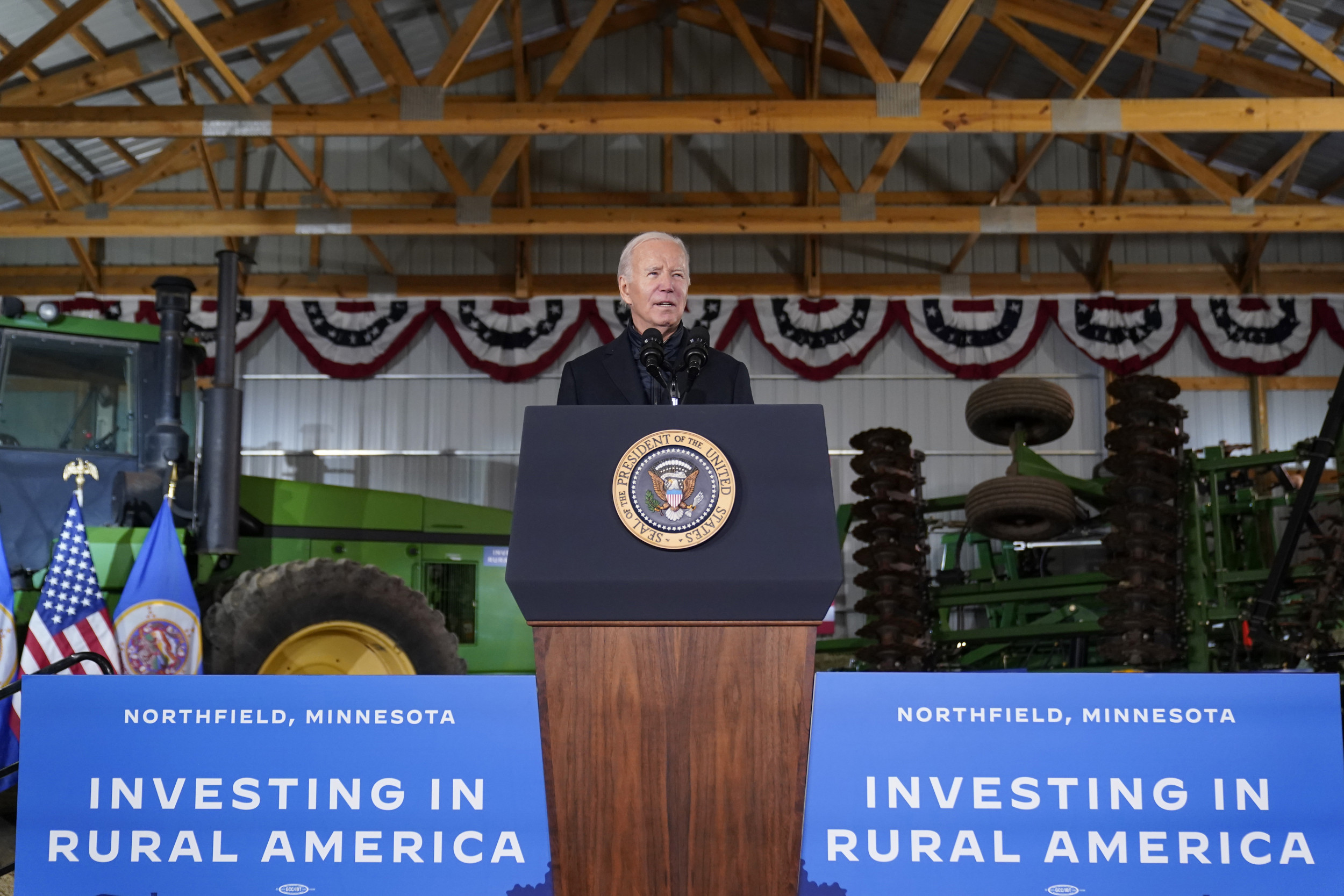
A Fox News poll shows Joe Biden leading Donald Trump by two percentage points among rural voters, a result that has been met with skepticism and criticism from Trump supporters and conservative commentators. The poll attributes Biden's lead to changing views on the economy and Trump's legal issues, though some believe the poll is an outlier.
Andy Beshear's recent win as governor of Kentucky is impressive, considering the state's Republican leanings and his ability to distance himself from the unpopular President Joe Biden. However, similar success stories in red states, like former Montana Governor Steve Bullock, have not translated into national prominence for the Democratic Party. The party's struggle to connect with rural and red state voters persists, despite the occasional interest in candidates who can bridge the divide. Additionally, Beshear's record may face scrutiny from the national party, particularly on issues like climate change and racial justice, which could overshadow his accomplishments.
Newly elected House Speaker Mike Johnson and other Republican hardliners are likely to support cuts to the Supplemental Nutrition Assistance Program (SNAP), the country's largest anti-hunger program, as part of the upcoming Farm Bill. However, this move could backfire for GOP candidates in rural areas, where a majority of SNAP beneficiaries reside. SNAP is popular among Americans, with 85% supporting increased food aid for struggling families. While fiscal responsibility is important, bipartisan support is necessary for lasting spending cuts. The political landscape, dominated by cultural issues, may overshadow the impact of SNAP cuts on conservative voters in the upcoming 2024 elections.
Kansas Governor Laura Kelly's success in winning over rural voters in the state could provide insights for Democrats struggling to connect with rural voters nationwide. Kelly's strategy focused on avoiding divisive social issues and instead prioritizing local economic concerns like funding schools and infrastructure. By running as a moderate and emphasizing her record on economic issues, Kelly was able to improve on Joe Biden's performance in rural areas and secure reelection. Democrats hope to replicate this approach in other battleground states with significant rural populations. However, it remains to be seen how translatable Kelly's strategy will be to other Democrats, and the challenge is greater at the federal level.
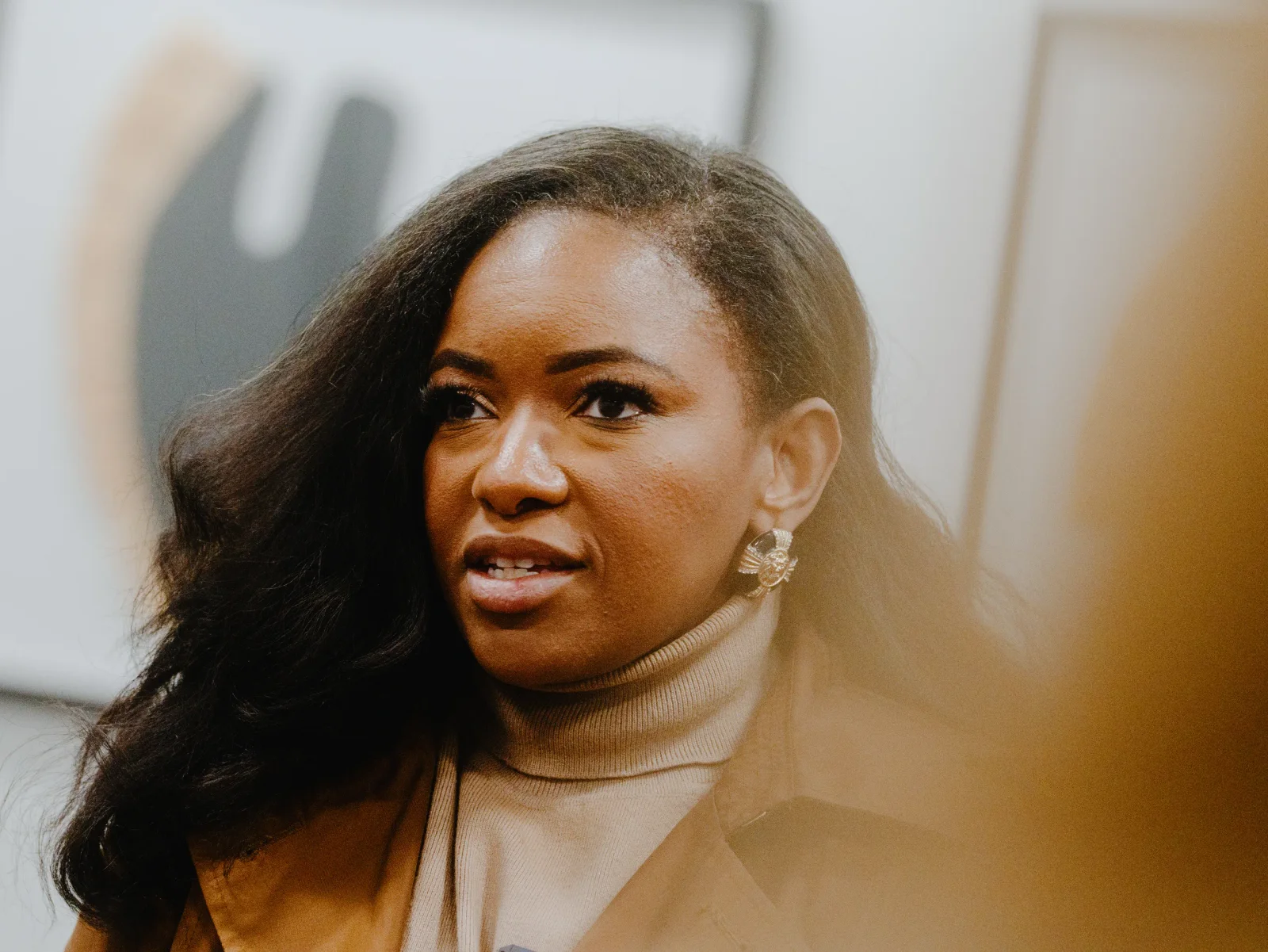
Anderson Clayton, a 25-year-old from Roxboro, North Carolina, is the youngest state party chair in the country, leading the North Carolina Democratic Party. She aims to address the party's neglect of rural and young voters, focusing on mobilizing and energizing her own community. Clayton plans to put a candidate on the ballot in every state House and Senate race, while emphasizing the importance of local organizing and outreach to historically Black colleges and universities. However, she faces challenges in connecting President Biden's policy wins to rural issues and overcoming the disconnect among young, rural, and independent voters. Republicans are also targeting swing voters, emphasizing economic concerns.
Kentucky Governor Andy Beshear's efforts to help storm-ravaged towns, such as Mayfield, rebuild after tornadoes and floods could potentially dilute the Republican advantage in rural areas and play a key role in his bid for reelection. While some storm survivors appreciate Beshear's response and view him as a consoler-in-chief, others criticize the slow pace of recovery. Republican candidate Daniel Cameron is relying on rural voters to secure victory in a state that has become a GOP stronghold in recent years. Beshear's focus on disaster-stricken areas and economic development during his term is aimed at shrinking the GOP's rural margins and running strongest in cities and suburbs.
Kentucky Governor Andy Beshear's efforts to help storm-ravaged towns, such as Mayfield, rebuild after tornadoes and floods could potentially dilute the Republican advantage in rural areas and aid his reelection bid. Beshear has been praised for his response to the disasters and has been seen as a consoler-in-chief by some Kentuckians. However, there are criticisms about the slow pace of recovery. Republican candidate Daniel Cameron is relying on rural voters to secure victory in a state that has become a GOP stronghold in recent years. Beshear is expected to perform well in cities and suburbs, while hoping to narrow the rural margins favoring the GOP.