
Ohio’s Data Center Backlash: From Rural Protests to Statewide Ballot Measures
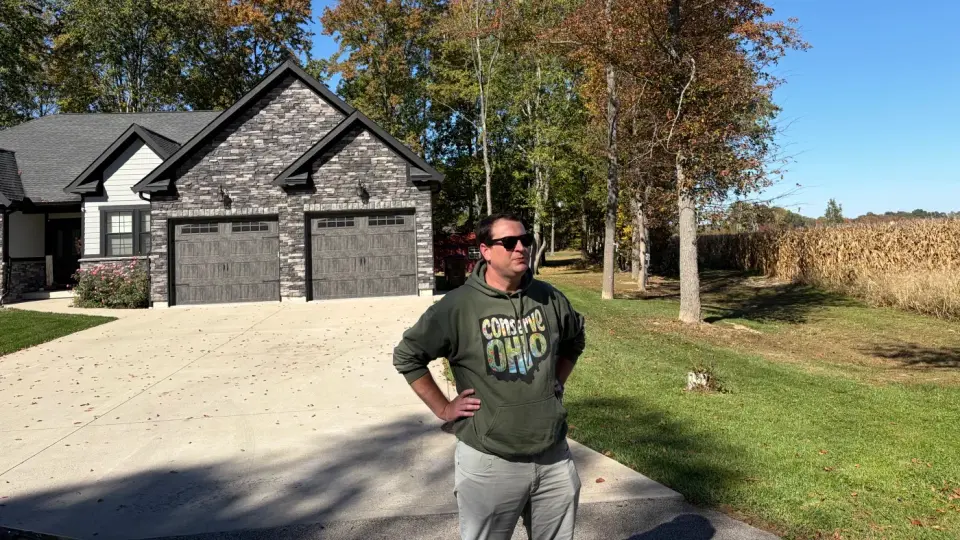
A bipartisan grassroots movement in Ohio is challenging the rapid expansion of hyperscale AI data centers, driven by concerns over secrecy, environmental impact, and rural displacement. Led by figures like Nick Owens in Mt. Orab, the opposition has mobilized volunteers across nearly all 88 counties, resulting in 21 local ballot measures for the 2026 midterms. While proponents cite job creation and tax revenue, opponents argue that nondisclosure agreements and massive energy demands threaten community autonomy. This local resistance is reshaping state politics, influencing Senate races and prompting a push for a statewide constitutional ban by 2027.
Key points
- Nick Owens, a Republican attorney in Mt. Orab, Ohio, is leading a statewide opposition group called Conserve Ohio, which has mobilized volunteers in nearly all 88 counties.
- The group is backing 10 local ballot initiatives to prohibit large-scale data centers and is petitioning for a statewide constitutional ban to be voted on in 2027.
- In Monroeville, a village of 1,300 people, Decimal Digital is proposing a 100-megawatt facility, offering $500,000 annually to schools and $250,000 to the village in lieu of property taxes.
- Opponents cite nondisclosure agreements, high energy costs, and water usage as primary concerns, while proponents highlight construction jobs and tax revenue.
- The issue has become a major factor in the 2026 midterms, with candidates like Sherrod Brown and Jon Husted clashing over data center policies and energy infrastructure costs.
Background
Ohio has been a significant hub for data center development for over a decade, driven by inexpensive land, robust energy infrastructure, and generous tax breaks. Recent archive coverage indicates that this expansion has created a rift within the Republican base, with rural voters feeling alienated by the administration's embrace of AI infrastructure. Previous reports noted that while some GOP candidates support data centers for economic growth, others are adopting restrictive stances to appease voters concerned about rising energy costs and environmental impacts. The current backlash represents a shift from temporary municipal pauses to more permanent legislative and constitutional challenges.
How outlets are covering it
NPR emphasizes the grassroots, bipartisan nature of the opposition, highlighting how a Republican attorney is leading a movement that cuts across party lines. Agri-Pulse focuses on the broader national trend, noting that 49 ballot measures are being considered in 13 states, and cites polling showing widespread opposition across demographic groups. Hoodline and News 5 Cleveland provide specific case studies, such as Monroeville, detailing the financial incentives offered by developers and the community's divided response. While NPR and Agri-Pulse highlight the political implications and statewide coordination, the local outlets focus on the immediate economic trade-offs and the tension between developer promises and resident concerns. All sources agree that the issue has moved from a niche technical concern to a central political battleground in the 2026 midterms.
Why it matters
The data center debate in Ohio is reshaping local and state politics, influencing midterm elections and potentially leading to a statewide ban. It highlights a growing tension between economic development and community control, with implications for energy policy, environmental sustainability, and the future of rural America. The outcome of these ballot measures could set a precedent for other states facing similar challenges, affecting how data centers are regulated and developed nationwide.
What to watch
Voters in 13 states, including 21 Ohio communities, will vote on data center-related measures in the 2026 midterms. Conserve Ohio is working to place a statewide constitutional ban on the ballot for 2027. Developers like Decimal Digital are continuing to engage with communities, offering financial incentives to secure approvals. The outcome of these votes will determine whether local bans or moratoriums are enacted, potentially influencing future data center development in Ohio and other states.
- How a lifelong Republican came to lead the data center battle in Ohio NPR
- Ohio residents want a say on data centers. Companies spend big to thwart them Cleveland.com
- Data center ballot measures put economic benefits, community costs in focus Agri-Pulse Communications, Inc.
- Monroeville Ohio Weighs Data Center After Bitcoin Mine Fallout Hoodline
- A small Huron County village is weighing a big data center — with voter sentiment on the ballot News 5 Cleveland WEWS
Want the full story? Read the original reporting
Read on NPR