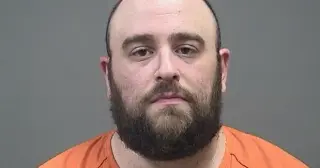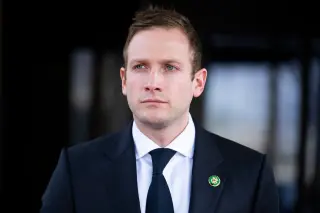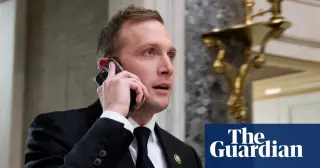
Video recordings and documents show investigators pursued possible abuse in the injury to Rep. Max Miller’s 2-year-old daughter for months but never identified a perpetrator, leaving the case unresolved and Miller denying harm.
Miller's Dependable Conservative Leadership PAC donated more than $70,000 to 16 GOP incumbents; only Brad Finstad's campaign has returned its $5,000, while other recipients—including Mike Lawler—say they won't return the money and many campaigns declined comment as Miller runs in Ohio's 7th district amid domestic-abuse allegations, forcing Republicans to distance themselves from him without sacrificing fundraising leverage.
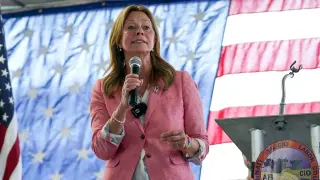
Ohio Rep. Max Miller of the 7th District faces domestic abuse allegations from his ex-wife and a custody dispute, prompting some Republicans and local leaders to call for his resignation. Miller denies the accusations and has attacked media coverage, while Trump’s support appears uncertain. The district, though GOP-leaning, is not insurmountably safe in the November race against Democrat Brian Poindexter, and questions about Miller’s engagement with his community and party leadership reflect broader GOP concerns about standards vs. political viability.
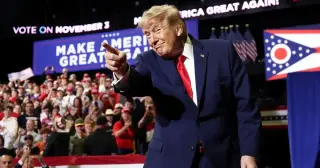
House Speaker Mike Johnson urged patience on Rep. Max Miller’s domestic abuse allegations, saying the case must run its course through the House Ethics Committee before any action is taken, while Miller denies the charges and faces support from allies including Trump. The Ethics Committee is reviewing Miller for domestic abuse and drug-use claims, a probe that complicates Miller’s Ohio reelection bid and tests GOP unity ahead of the midterms. Johnson says he will speak with Miller but will not intervene, and fellow Republicans—including Chuck Edwards and Bernie Moreno—are navigating the broader ethics controversies engulfing the party.
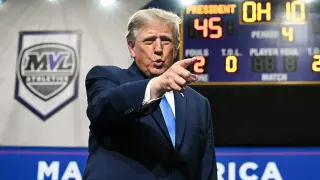
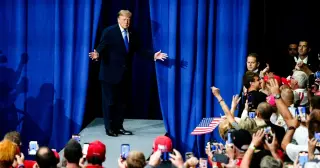
Rep. Max Miller asked the House Ethics Committee to investigate him amid domestic abuse allegations from his ex-wife; hours later the Ethics panel opened a probe into possible domestic violence and drug use. Miller denies the accusations, releasing audio and transcripts, and says he will stay in his reelection race despite scrutiny, with comments from his father-in-law Bernie Moreno and support from Trump.
Rep. Max Miller posted secretly recorded audio from his ex-wife alleging drug use and other abuse in an effort to blunt accusations ahead of a looming reelection deadline; the Dropbox release appears to lend credence to some claims and has drawn mixed reactions, including support from Trump, while Miller denies wrongdoing and the broader custody and domestic-violence allegations continue to unfold.
Ohio Sen. Bernie Moreno called Rep. Max Miller a “danger” to his family amid his ex-wife Emily Moreno’s allegations of domestic abuse, including hot-water abuse and a gun threat, and claims Miller harmed their 2-year-old daughter. Miller denies the accusations and continues his reelection bid as Moreno publicly urged him to step down for the safety of his daughter, a stance that follows a custody dispute and a new restraining order against Miller. The case has drawn attention to how victims’ responses can vary and is informed by court filings and Miller’s defense video.
Five Ohio lawmakers backed a Democratic bill to restore expired Affordable Care Act subsidies for three years, with three Republicans joining Democrats in defying Trump on the measure. Most Ohio Republicans opposed extending the subsidies, and the bill now heads to the Senate where prospects are uncertain. Supporters say reviving the tax credits could relieve about half a million Ohioans facing higher premiums, while critics warn about cost and debt.
A steel CEO credits Trump's tariffs for benefiting the steel industry, but critics and economic data suggest the broader U.S. manufacturing sector is still struggling, and public opinion remains skeptical about the tariffs' overall benefits ahead of the 2026 midterms.
The Ohio Conference of Teamsters endorsed Republican Vivek Ramaswamy for governor, marking a shift of labor unions towards the Republican side in Ohio, and signaling a potential realignment in political endorsements ahead of the 2024 elections.
Ohio Governor Mike DeWine is actively engaging in discussions regarding the Cleveland Browns' stadium plans, meeting with team owners and Cleveland Mayor Justin Bibb. The Browns are considering a $2.4 billion domed stadium in Brook Park, seeking $1.2 billion in public funding. DeWine is gathering facts and aims to align stakeholders on a financing plan, while Cuyahoga County Executive Chris Ronayne opposes county funding for the project. DeWine's involvement reflects a broader interest in Cleveland's development projects, including lakefront and Tower City plans.
The Cleveland Browns are exploring the possibility of a new domed stadium in Brook Park and are seeking potential state funding, while a politically connected Cleveland leader's involvement in a grand jury raises questions. CVS, Walgreens, and Walmart pharmacies are seeking a ruling that could overturn a $650 million judgment in an opioid lawsuit, and the ACLU has sued Ohio over a bill prohibiting gender-affirming care for minors. Additionally, the Ohio Supreme Court declined to fast-track a lawsuit related to police excessive force, and state and local officials downplayed the potential for a bridge disaster in Ohio.