
Schumer vows to block Trump's judicial picks as Democrats seize Senate majority
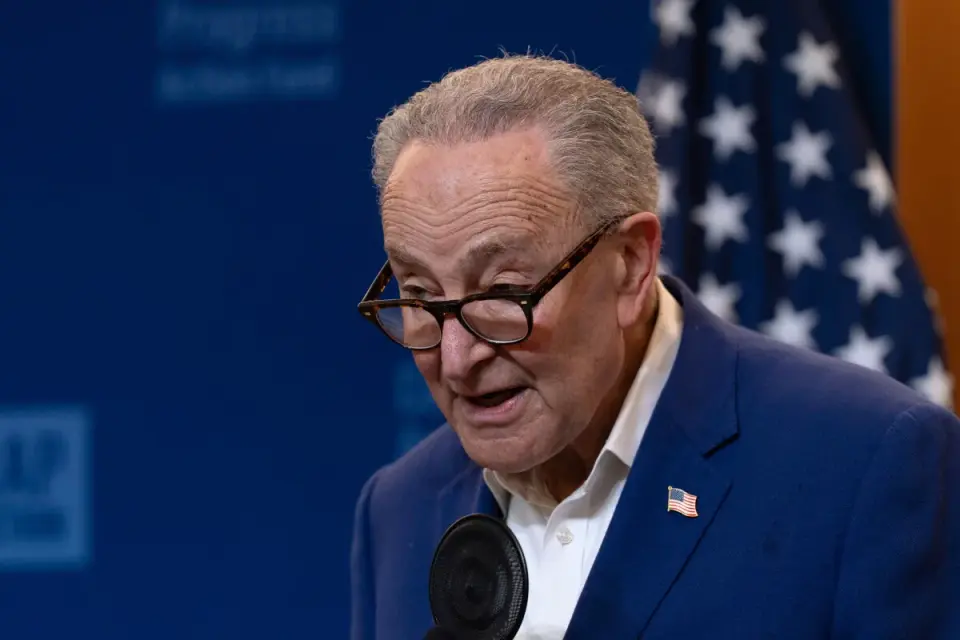
Senate Minority Leader Chuck Schumer, set to become majority leader, has pledged to prevent President Trump from appointing conservative judges to the federal judiciary, including the Supreme Court. Democrats, holding at least 54 Senate seats after the 2026 midterms, plan to use their new majority to block nominees or ignore them, mirroring tactics previously used by Republicans. This move effectively ends Trump's ability to expand his conservative supermajority on the Supreme Court, as Justices Alito and Thomas have no immediate plans to retire. The White House condemned the stance as politicization, while GOP figures acknowledged the near-zero chance of confirming successors during Trump's term or the next GOP administration.
Key points
- Chuck Schumer promised to stop 'crappy nominees' and prevent any 'right-winger' from joining the Supreme Court.
- Democrats hold at least 54 Senate seats, providing a strong majority to block confirmations.
- Justices Samuel Alito and Clarence Thomas have not indicated imminent retirement, with Alito staying through the next term.
- Trump previously considered nominating up to seven justices by the end of his second term, a plan now blocked.
- The White House accused Democrats of politicizing the court, while GOP figures noted the impossibility of future confirmations.
Background
This development follows the 2026 midterm elections, where Democrats regained control of both the House and Senate, ending two years of Republican dominance. Prior to the election, Democrats had signaled their intent to block judicial nominees if they won the Senate, a strategy mirroring the Republican refusal to confirm Merrick Garland. The shift in power closes the window for Republicans to lock in long-term control of the federal judiciary, as the next realistic opportunity for GOP Senate control is not expected until 2033. Recent archive coverage noted that Democrats also vowed aggressive oversight of the Trump administration, including investigations into the Department of Government Efficiency and ICE, setting up potential gridlock in the final two years of Trump's term.
Why it matters
The Democratic control of the Senate fundamentally alters the balance of power in the federal judiciary, preventing the expansion of the conservative supermajority established by Trump. This shift ensures that the current composition of the Supreme Court, which includes justices appointed by Trump, will likely remain unchanged for the next decade. It also signals a new era of aggressive partisan tactics in judicial confirmations, with Democrats now in a position to wield the same hardball tactics previously used by Republicans. The outcome has long-term implications for the independence and composition of the federal judiciary, as well as the political dynamics surrounding future presidential appointments.
What to watch
The next critical step is the potential retirement of Supreme Court justices, particularly Samuel Alito and Clarence Thomas, who are the oldest members of the court. If either justice retires, Democrats will likely block any nominee from Trump, potentially leaving the seat vacant until after the next presidential election. The White House has warned against 'packing' the court, but the focus will now be on whether any justice chooses to retire during the lame-duck period or later. Additionally, Democrats will likely use their Senate majority to block other federal judicial and cabinet nominees, as promised by Schumer. The outcome of these actions will shape the political landscape for the next several years, with the next opportunity for Republican control of the Senate not expected until 2033.
Want the full story? Read the original reporting
Read on AP News