
Senate blocks Iran war powers resolution 50-49 as midterm pressure grows
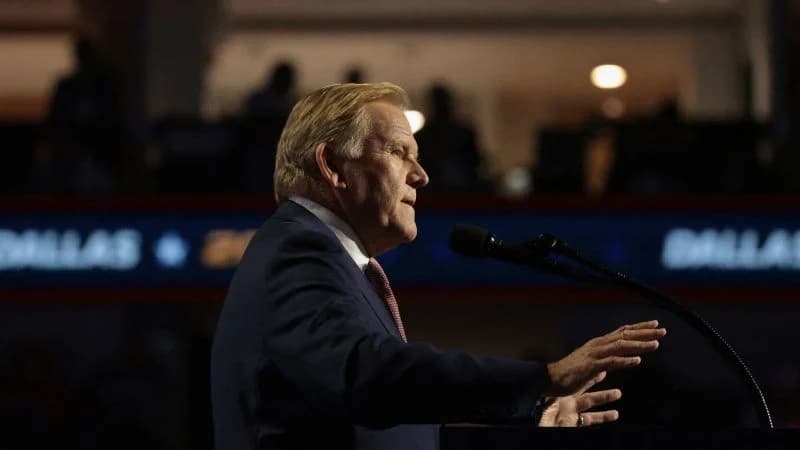
The US Senate failed to pass a war powers resolution to end the conflict with Iran, with the measure losing 49-50. This marks the 12th failed attempt to rein in the war, which has now lasted over 200 days. While several vulnerable Republicans publicly criticized the conflict on the campaign trail due to rising fuel costs, most voted to support the administration.
Key points
- The Senate voted 49-50 to defeat a House-passed war powers resolution aimed at ending US military operations in Iran.
- Four Republicans—Rand Paul, Susan Collins, Lisa Murkowski, and Thom Tillis—defied President Trump and joined Democrats in supporting the resolution.
- One Democrat, John Fetterman, voted against the measure, while Senator Angela Alsobrooks did not vote.
- The conflict has resulted in 19 US service member deaths and over 750 injuries, with estimated costs nearing $40 billion in the first four months.
- Democrats have brought 11 war powers resolutions to the floor since the war began in February, citing rising inflation and public dissatisfaction.
Background
The Iran war began in February 2026 with a joint US-Israel strike. Previous attempts to pass war powers resolutions have failed, including a 47-49 vote in July. A UN probe recently raised concerns about potential US war crimes, which Washington rejected. The conflict has significantly impacted US inflation and fuel prices, prompting some Republican candidates to distance themselves from the administration's foreign policy stance ahead of the November midterms.
How outlets are covering it
CNN highlights the shift in Republican campaigning, noting that while Trump praised the war, candidates are now campaigning against its economic pain. The Washington Post provides a detailed breakdown of the 49-50 vote, emphasizing the bipartisan support for the resolution. The Guardian focuses on the Democratic strategy to force votes under the War Powers Resolution, noting that Republicans are increasingly vocal about ending the conflict due to its impact on inflation and fuel prices. All sources agree that the vote reflects a growing tension between party loyalty and public opinion on the war's costs.
Why it matters
The failed resolution underscores the deep divisions within the Republican party over the Iran war, particularly as midterm elections approach. The conflict's economic impact, including rising fuel prices and inflation, is becoming a significant political liability for the administration. Democrats are using war powers resolutions to highlight Republican support for an unpopular war, potentially influencing voter sentiment in key races.
What to watch
Democrats plan to continue bringing war powers resolutions to the floor, aiming to pressure Republicans to support ending the conflict. The administration is expected to maintain its military presence in the region, with no immediate signs of a ceasefire. The economic and political fallout from the war will likely remain a central issue in the upcoming midterm elections.
- Michigan GOP Senate candidate who praised the Iran war now campaigns against the pain it caused CNN
- How every senator voted on the Iran war powers resolution The Washington Post
- Senate Defeats Bid to Direct Trump to End Iran War or Seek Approval nytimes.com
- Senate Republicans block Democratic effort to end US war with Iran The Guardian
- Senate rejects Iran War Powers Resolution in 49-50 vote qz.com
Want the full story? Read the original reporting
Read on CNN