
Spanberger Restores Voting Rights for 66,000 Virginians, Setting Stage for November Constitutional Vote
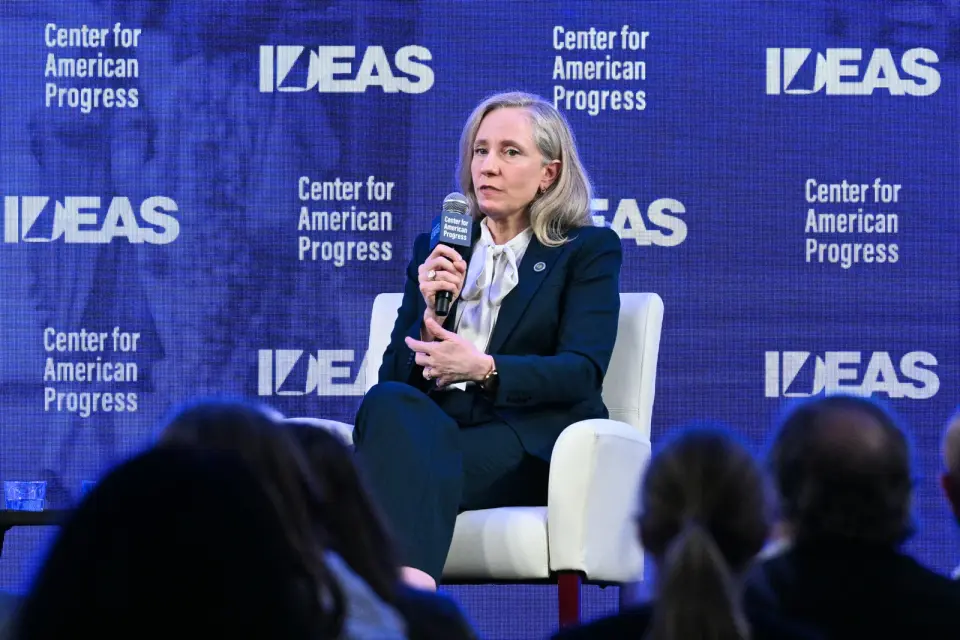
Virginia Governor Abigail Spanberger has restored voting rights for 66,085 individuals with past felony convictions, a significant reversal of the restrictive policies of her predecessor, Glenn Youngkin. While this executive action provides immediate relief, advocates and the governor are pushing for a November ballot referendum to permanently amend the state constitution, ensuring automatic voting rights restoration upon release from incarceration.
Key points
- Governor Spanberger announced the restoration of voting rights for 66,085 Virginians, contrasting sharply with the fewer than 10,000 restorations under former Governor Glenn Youngkin.
- Virginia was the only state with a lifetime ban on voting for any felony conviction until a federal court struck down the ban in January 2026.
- A November referendum will decide whether to amend the state constitution to guarantee automatic voting rights restoration after incarceration, removing the governor's discretion.
- The administration has streamlined the restoration process, removing requirements to prove fine payments and proactively identifying eligible former felons.
- Critics argue that relying on a single governor's discretion for voting rights is unstable and that the November amendment is necessary for permanent reform.
Background
Virginia's felony disenfranchisement laws, rooted in Jim Crow-era policies, were among the most restrictive in the U.S. until a federal court ruling in January 2026 found the state had illegally disenfranchised residents for 156 years. Prior to Youngkin's tenure, Virginia governors had restored rights for over 300,000 formerly incarcerated individuals since 2013. The current situation follows a period of stalled restorations under Youngkin, who faced scrutiny for a case-by-case review system that drastically reduced the number of people regaining their voting rights.
How outlets are covering it
Democracy Docket and Bolts Magazine both highlight the dramatic increase in restorations under Spanberger compared to Youngkin's tenure, emphasizing the governor's criticism of her predecessor's efforts to deny fundamental rights. Bolts Magazine provides deeper context on the federal court ruling and the ongoing debate about the instability of relying on a single governor's discretion, quoting advocates who argue for the November constitutional amendment. MS NOW frames the move as a consequence of the Democratic victory in the gubernatorial race, contrasting it with the potential policies of the defeated Republican candidate, Winsome Earle-Sears. All sources agree on the significance of the 66,085 restorations but differ in emphasis: Bolts focuses on the structural flaws of the current system, while MS NOW highlights the partisan implications of the change.
Why it matters
This move affects tens of thousands of Virginians, allowing them to participate in upcoming elections, including the August primaries. It also sets the stage for a potential permanent change in voting rights policy through the November referendum, which could align Virginia with 23 other states that restore voting rights automatically upon release from incarceration. The issue is also part of a broader national debate on felony disenfranchisement, with approximately four million people across the U.S. currently barred from voting due to felony convictions.
What to watch
Virginia voters will decide in November whether to amend the state constitution to allow for automatic voting rights restoration immediately after returning from incarceration. The Spanberger administration is also working to proactively identify more Virginians who have exited prison but remain unable to vote, and the streamlined online restoration system is accepting new applications.
- Virginia Gov. Spanberger has restored voting rights for 66,000 people with past felony convictions Democracy Docket
- Spanberger restores voting rights to more than 60,000 Virginians Virginia Mercury
- Virginia Governor Restores Voting Rights for Thousands With Past Felony Convictions boltsmag.org
- Virginia governor restores voting rights for thousands of formerly incarcerated people MS NOW
- Gov. Spanberger restores voting rights for more than 66K Virginians 13newsnow.com
Want the full story? Read the original reporting
Read on Democracy Docket