
25 States Challenge Trump's Section 301 Tariffs as 'Illegal Tax' in Court
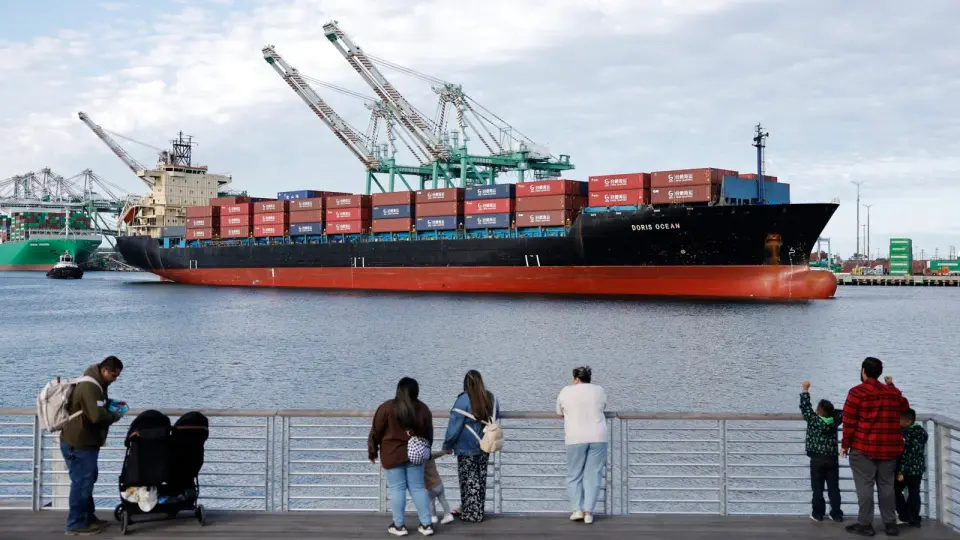
A coalition of 25 Democratic-led states has sued the Trump administration in the U.S. Court of International Trade, challenging new 10% and 12.5% tariffs on 60 trading partners. The states argue these duties, justified by forced-labor concerns under Section 301 of the Trade Act, are an unlawful attempt to recreate taxes previously struck down by the Supreme Court. While the White House defends the measures as necessary to protect U.S. commerce, the plaintiffs seek to halt the tariffs and secure refunds for duties already paid.
Key points
- Twenty-five states, led by New York, filed a lawsuit on Monday against the Trump administration over new global tariffs.
- The challenged tariffs range from 10% to 12.5% and affect 60 trading partners, covering 99.4% of U.S. imports.
- Plaintiffs argue the administration used Section 301 of the Trade Act as a pretext to bypass Supreme Court rulings that invalidated earlier tariff regimes.
- The White House maintains that the tariffs are a lawful response to foreign failures to prevent forced-labor goods from entering supply chains.
- The lawsuit seeks to block the tariffs, declare them unlawful, and order refunds for duties already collected from the states.
Background
This legal challenge follows a series of recent trade disputes. In late July, small businesses filed similar suits against the administration, and a separate coalition of states challenged conditions attached to federal disaster aid. These actions occur shortly after the Supreme Court ruled that earlier tariffs under the International Emergency Economic Powers Act were unconstitutional, prompting the administration to pivot to new legal authorities to maintain its trade policy.
How outlets are covering it
CNBC and The Guardian both report on the 25-state lawsuit but emphasize different aspects of the dispute. CNBC highlights the procedural speed of the USTR, noting that investigations for 60 economies were completed in just two and a half months, and points out the lack of benchmarks for lifting duties. The Guardian focuses more on the constitutional argument, quoting New York Attorney General Letitia James on the limits of presidential power. Both outlets include the White House defense, but CNBC provides more detail on the specific exemptions, such as frozen beef from Brazil, which the states argue undermines the administration's forced-labor rationale.
Why it matters
The outcome of this case could determine the legal durability of the current tariff regime. If the court rules against the administration, it may force a significant reduction in import duties, potentially lowering costs for consumers and businesses. Conversely, a ruling in favor of the administration would solidify Section 301 as a primary tool for trade policy, allowing the White House to maintain high tariffs despite previous judicial setbacks.
What to watch
The U.S. Court of International Trade will now review the complaint. The administration is expected to respond to the allegations that the investigations were rushed and lacked country-specific consultations. The case may also face appeals, similar to the paused ruling on Section 122 tariffs, as both sides seek to establish precedent for future trade disputes.
- Twenty five states sue Trump administration over latest global tariffs CNBC
- 25 states sue Trump administration over latest round of tariffs CBS News
- US states sue Trump administration over new tariffs on 60 trading partners theguardian.com
- 25 states sue over Trump's new tariffs, calling them 'pretext' to replace his old ones ABC13 Houston
- Democratic US states sue to challenge Trump's latest tariffs Reuters
Want the full story? Read the original reporting
Read on CNBC