
Supreme Court 2026-2027 Term Focuses on Federalism, Climate, and Religious Liberty
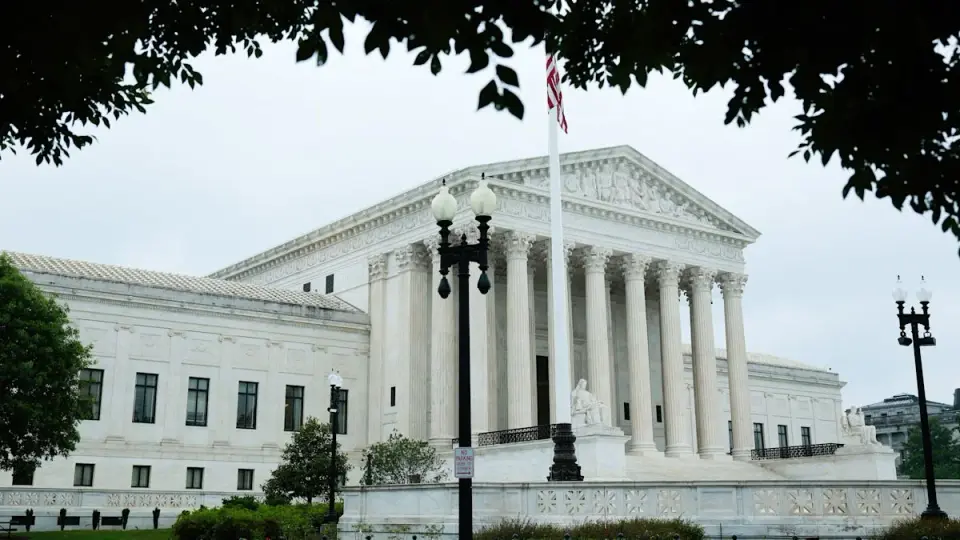
The U.S. Supreme Court begins its 2026-2027 term with a docket centered on federalism, climate liability, and religious exemptions. Key cases include Suncor Energy v. Boulder County, which tests whether states can sue oil companies for global climate impacts, and St. Mary Catholic Parish v. Roy, challenging Colorado's universal preschool funding conditions. The term also addresses gun rights, immigration detention, and voting rules, following a summer of emergency rulings on mail-in voting and citizenship requirements.
Key points
- Suncor Energy v. Boulder County is the first case of the term, testing if state tort laws can regulate global fossil fuel emissions.
- Justice Alito recused himself from the Suncor case, potentially leading to a 4-4 split that affirms the lower court without precedent.
- St. Mary Catholic Parish v. Roy challenges Colorado's requirement that preschools receiving public funds accept all students regardless of religious or gender identity views.
- The docket includes cases on gun rights, immigration detention standards, and voting administration, reflecting ongoing federal-state conflicts.
- The Court addressed emergency issues in the summer, including mail-in voting rules and citizenship verification for voters.
Background
The 2026-2027 term follows a summer where the Court issued emergency rulings on mail-in voting and citizenship databases. Previous archive coverage noted the administration's attempts to tighten mail-in voting rules and challenges to citizenship requirements for voting, which were largely blocked or delayed by lower courts and the Supreme Court. The current term continues to address these voting and immigration disputes while expanding into climate and religious liberty issues.
How outlets are covering it
City Journal emphasizes the thematic thread of federalism and the boundary between state and federal power, highlighting the Suncor case as a potential precedent for state-level climate regulation. Yahoo News provides a broader overview of the docket, noting the variety of cases including guns, voting, and immigration, without focusing on the specific legal arguments in the climate case. City Journal also notes the potential for a 4-4 split in the Suncor case due to Justice Alito's recusal, a detail not mentioned in the Yahoo News summary.
Why it matters
The outcomes of these cases will significantly impact climate policy, religious freedom, and voting rights across the United States. A ruling in Suncor could allow states to impose massive liability on fossil fuel companies, effectively setting national energy policy through litigation. The St. Mary case could affect how public funds are distributed to religious institutions. These decisions will shape the legal landscape for federalism and individual rights in the coming years.
What to watch
The Supreme Court will hear arguments in Suncor Energy v. Boulder County on the first Monday in October. The Court will also hear arguments in St. Mary Catholic Parish v. Roy and other cases on the docket. The outcome of the Suncor case may depend on whether the Court can form a majority opinion or if it results in a 4-4 split. The Court will continue to address emergency petitions related to voting and immigration throughout the term.
- Guns, voting, immigration and more: The biggest cases the Supreme Court will take up in its new term Yahoo
- With a mixed scorecard, Trump poised to test his powers again at US Supreme Court Reuters
- Supreme Court to begin new term with cases on religion, guns and immigration ahead NPR
- 5 Cases to Watch at the Supreme Court This Term ncregister.com
- The Supreme Court Will Be Drawing Lots of Lines City Journal
Want the full story? Read the original reporting
Read on Yahoo