
Supreme Court Halts FCC Review, Securing Ad Discounts for GOP Committees
On October 14, 2026, the Supreme Court issued an unsigned order blocking a lower court mandate that required the Federal Communications Commission (FCC) to rule on a controversial ad-rate policy before the November midterms. The decision allows political parties and joint fundraising committees to continue receiving discounted broadcast rates, a move that benefits Republican candidates who rely heavily on committee funding. Justices Sotomayor and Jackson dissented, arguing the judiciary should not interfere with the FCC’s procedural timeline. This marks the second time the Court has intervened in this dispute, effectively freezing the status quo until after the election.
Key points
- The Supreme Court granted the Trump administration’s emergency request to pause a 4th Circuit Court of Appeals order that had forced the FCC to issue a decision by October 9.
- The court ruled that the FCC has discretion over its own schedule and is not required to act within a specific timeframe, citing separation of powers principles.
- The policy allows political parties and joint fundraising committees to access lower broadcast ad rates, a benefit previously limited to individual candidates under federal law.
- Justices Sonia Sotomayor and Ketanji Brown Jackson dissented, voting to deny the administration’s appeal and allow the lower court’s deadline to stand.
- The ruling provides an advertising advantage to Republicans, whose party committees have raised significantly more money than Democratic committees, potentially impacting close midterm races.
Background
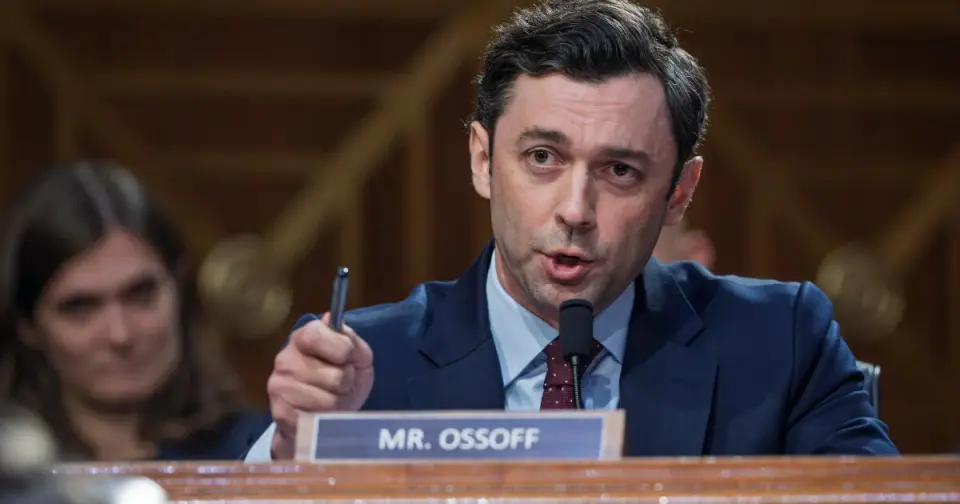
This dispute stems from a March 2026 FCC notice extending discounted ad rates to political parties, a change challenged by Democratic candidates including Sen. Jon Ossoff. In September, the Supreme Court already paused a 4th Circuit ruling that had struck down the FCC’s move, with Justice Jackson dissenting. The current ruling is the latest in a series of interventions aimed at preventing judicial review of the FCC’s actions before the election.
How outlets are covering it
The Los Angeles Times and The New York Times emphasize the partisan impact, noting that the ruling favors Republicans due to their larger committee war chests. USA Today highlights the 4th Circuit’s accusation of 'gamesmanship' by the FCC, while SCOTUSblog focuses on the legal reasoning regarding the FCC’s procedural discretion. All sources agree that the decision leaves the FCC without an obligation to rule before the election, but they differ in tone regarding the fairness of the process, with Democrats describing the delay as 'procedural trench warfare.'
Why it matters
The decision ensures that Republican-affiliated committees can continue to purchase broadcast ads at lower rates, potentially narrowing resource gaps in key races. By blocking judicial review until after the election, the Supreme Court has effectively insulated the FCC’s controversial rule change from immediate legal scrutiny, influencing the final weeks of the midterm campaign.
What to watch
The FCC is no longer required to issue a decision on the ad-rate policy before the November election. The 4th Circuit’s order is paused, and the case will likely resume after the election. Democrats may continue to challenge the rule in court, but the immediate impact on the 2026 midterms is now settled in favor of the Republican position.
- Supreme Court sides with Republicans in dispute over cost of campaign ads Los Angeles Times
- US Supreme Court again backs Republicans in clash over political ad rates Yahoo
- Supreme Court again sides with Trump in campaign ad dispute USA Today
- Justices grant Trump administration’s request to pause lower court ruling in political ad rate dispute SCOTUSblog
- Supreme Court Again Sides With Republicans in Political TV Ad Fight The New York Times
Want the full story? Read the original reporting
Read on Los Angeles Times