
Supreme Court Opens 2026 Term with Climate, Gun, and Immigration Showdowns
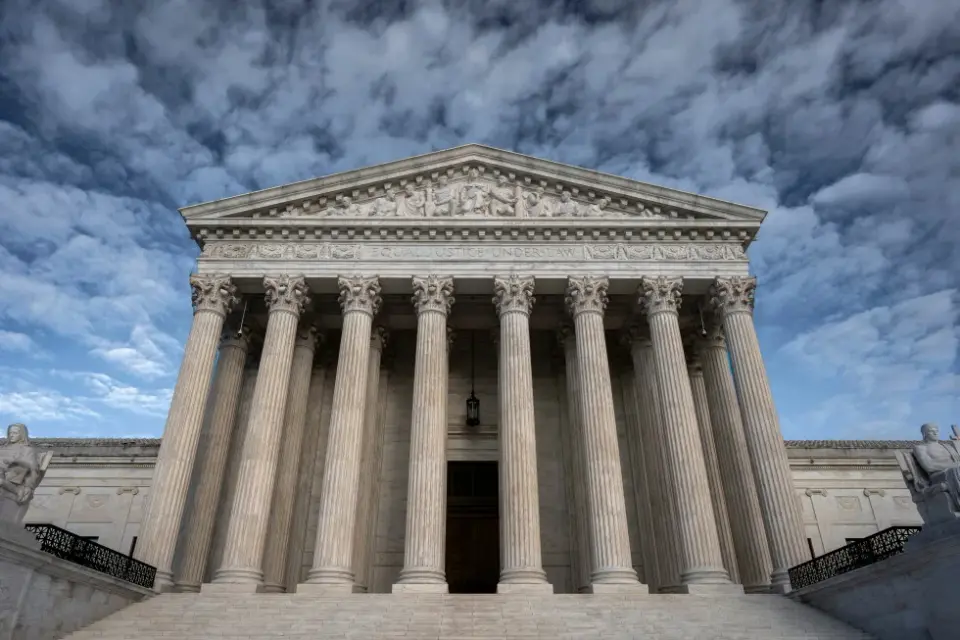
The Supreme Court began its 2026-2027 term on October 5, 2026, with a docket focused on climate liability, gun control, and immigration enforcement. The first case, Suncor Energy v. Boulder, tests whether states can sue fossil fuel companies for climate damages, with Justice Alito recused due to stock holdings. The court will also hear arguments on AR-15 bans in December and review Trump administration policies on mandatory detention and third-country deportations. A case involving Catholic preschools and LGBTQ+ enrollment rights is scheduled for November. While the court avoided some high-profile Trump cases last term, new disputes over immigration and voting laws are now pending, amid ongoing tensions between the president and the justices.
Key points
- The Supreme Court opened its new term on October 5, 2026, with arguments in Suncor Energy v. Boulder, a case determining if federal law preempts state climate lawsuits against oil companies.
- Justice Samuel Alito recused himself from the climate case due to stock holdings in fossil fuel companies, creating a risk of a 4-4 split that would uphold the lower court decision without setting a national precedent.
- The court will hear arguments in December on bans of AR-15 rifles in Connecticut and Cook County, Illinois, with gun rights groups arguing the weapons are in common use and gun control advocates citing mass shooting risks.
- Immigration cases include challenges to mandatory detention without bond hearings for illegal entrants and policies on deporting migrants to third countries, with ICE detention numbers rising from 38,000 to over 65,000 this summer.
- A November case will address whether Catholic preschools in Colorado can exclude children from LGBTQ+ families while receiving public funding, testing the balance between religious rights and nondiscrimination laws.
- The court has granted 28 cases so far, with more expected, including disputes over Arizona voting laws requiring proof of citizenship and potential litigation from the November midterms.
Background
The 2026-2027 term follows a previous term where the court ruled against Trump on birthright citizenship and tariffs but supported him on agency firings and immigration policies. The current term begins amid heightened tensions, with Trump criticizing his own judicial nominees and the court facing record-low public approval. Earlier coverage noted the court's focus on climate, gun, and immigration cases, with Alito's recusal in the Boulder case being a key development.
How outlets are covering it
AP News emphasizes the breadth of the docket, highlighting immigration, Second Amendment, and climate cases as central themes. CNN focuses on the dynamic between Trump and the court, noting the absence of major separation-of-powers cases but the presence of immigration and gun control disputes, and the potential for election-related litigation. Axios highlights the tension between Trump and the court, noting the president's criticism of his nominees and the court's mixed record on Trump policies, while also emphasizing the climate case and immigration detention issues. All sources agree on the significance of the climate, gun, and immigration cases but differ in emphasis: AP on the docket's breadth, CNN on the Trump-court dynamic, and Axios on the political tensions and specific policy disputes.
Why it matters
The outcomes of these cases will have significant implications for climate policy, gun rights, immigration enforcement, and religious freedom in the United States. The climate case could determine the fate of state-level lawsuits against fossil fuel companies, while the gun case could expand or limit Second Amendment protections. Immigration decisions could affect detention and deportation policies, and the religious rights case could set precedents for public funding and nondiscrimination. The term also unfolds amid political tensions and potential election-related litigation, making it a critical period for the court's role in shaping national policy.
What to watch
The court will hear arguments in December on AR-15 bans and immigration cases, with the religious rights case in November. Additional cases may be added, including disputes over Arizona voting laws and potential election-related litigation following the November midterms. The court's decisions on these cases will likely influence national policy and political dynamics, with ongoing tensions between the president and the justices.
- A new Supreme Court term begins with cases on climate change, immigration and gun rights AP News
- Supreme Court heads into new term with one eye on President Trump CNN
- Trump's Supreme Court relationship faces a new term — and a new test Axios
- The Supreme Court faces another term jam-packed with controversy NPR
- How the Midterms Could Complicate the Supreme Court’s New Term The New York Times
Want the full story? Read the original reporting
Read on AP News