
Supreme Court rejects Trump bid to cut UC research grants over DEI
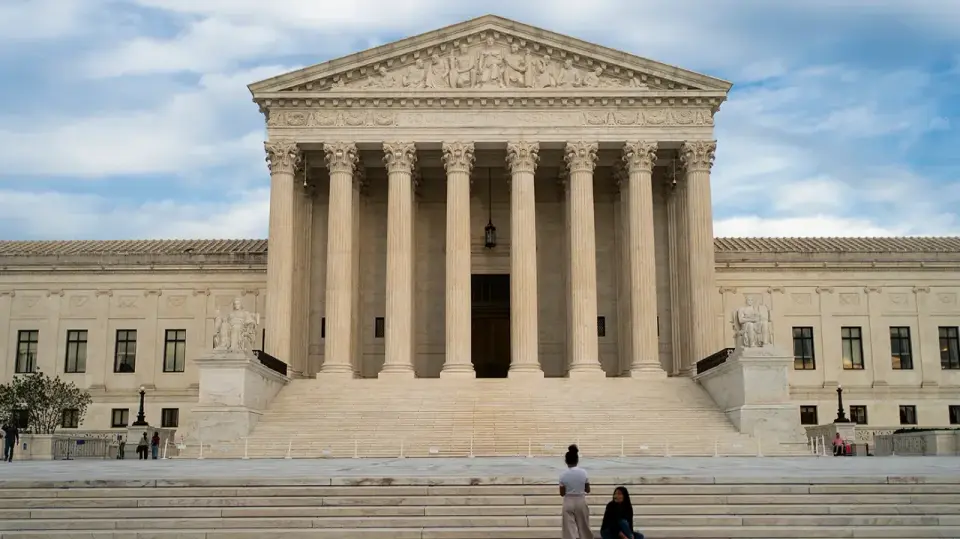
The Supreme Court declined to hear an appeal from the Trump administration, leaving in place lower court rulings that block the cancellation of tens of millions of dollars in research grants to University of California institutions. The administration had sought to terminate funding for projects it deemed inconsistent with its opposition to diversity, equity, and inclusion (DEI) initiatives. The 9th U.S. Circuit Court of Appeals previously ruled that these terminations likely violated the First Amendment by suppressing viewpoints. The justices issued a one-line order with no explanation or noted dissents, preserving the preliminary injunction that prevents the administration from cutting the grants while the case proceeds in federal district courts.
Key points
- The Supreme Court denied the Trump administration’s request to review a 9th Circuit decision that upheld a preliminary injunction blocking the cancellation of research grants to University of California institutions.
- The administration argued that it had significant discretion to terminate taxpayer-funded projects that promote ideologies it opposes, including DEI initiatives, without violating the First Amendment.
- The 9th Circuit Court of Appeals held that terminating the grants was aimed at suppressing viewpoints with which the government disagrees, likely violating free speech rights.
- The case involves grants from the National Science Foundation and the National Endowment for the Humanities, with the administration attempting to cut approximately $324 million in funding to UC institutions, though some funding has since resumed.
- The Supreme Court’s denial also tacitly endorsed the lower courts’ conclusion that these disputes properly belong in federal district courts rather than the specialized federal claims court, allowing for faster and more coercive relief to restore wrongly cut funds.
Background
This decision follows a broader campaign by the Trump administration to dismantle DEI programs across federal agencies and federally funded institutions, including the military and higher education. In the early months of his second term, President Trump issued several executive orders targeting diversity initiatives, leading to widespread litigation. The administration has also faced legal challenges over other federal actions, such as the firing of National Labor Relations Board members and press access restrictions, which have tested the limits of executive authority and First Amendment protections.
How outlets are covering it
The Hill and NBC News emphasize the First Amendment implications, noting that the 9th Circuit ruled the grant terminations likely violated free speech rights by suppressing viewpoints. CNN highlights the procedural significance of the Supreme Court’s denial, noting that it leaves the case in federal district courts, which can issue broader and faster relief than the specialized federal claims court. Bloomberg frames the decision as a setback for the administration’s broader drive to cancel billions of dollars in federal grants, while all sources agree that the Supreme Court’s one-line order with no dissents signals a lack of support for the administration’s position. The administration, through Solicitor General D. John Sauer, argued that the government has significant discretion in determining how taxpayer funds are used and that the Constitution does not bar declining to fund projects that promote ideologies it opposes, a view rejected by the lower courts and implicitly by the Supreme Court’s denial.
Why it matters
The Supreme Court’s decision reinforces the legal principle that the government cannot use its funding discretion to suppress viewpoints, particularly in the context of academic research. It sets a precedent that may affect other federal grant cancellations and DEI-related litigation, potentially influencing how future administrations approach the intersection of federal funding and First Amendment rights. The ruling also highlights the importance of procedural choices in litigation, as the case’s placement in federal district courts allows for more robust and timely remedies for affected researchers and institutions.
What to watch
The case will proceed in federal district courts, where the administration may face further legal challenges and potential orders to restore the cut funding. The administration may continue to pursue other DEI-related litigation, but this decision may limit its ability to use funding cuts as a tool to suppress viewpoints. Researchers and institutions affected by the grant cancellations may seek additional relief, including compensation for lost funding and damages, as the case moves forward. The decision may also influence how other federal agencies approach DEI initiatives and funding decisions in the future.
- Supreme Court declines Trump administration’s DEI research grant appeal The Hill
- Supreme Court rejects Trump over academic funding cuts related to DEI NBC News
- Supreme Court declines Trump push to cut research grants related to DEI CNN
- Supreme Court rejects Trump appeal defending diversity-related grant cuts Reuters
- Trump Rejected by Supreme Court in Bid to Cut Off ‘DEI’ Grants Bloomberg
Want the full story? Read the original reporting
Read on The Hill