
Supreme Court to rule on Colorado preschool funding for Catholic schools
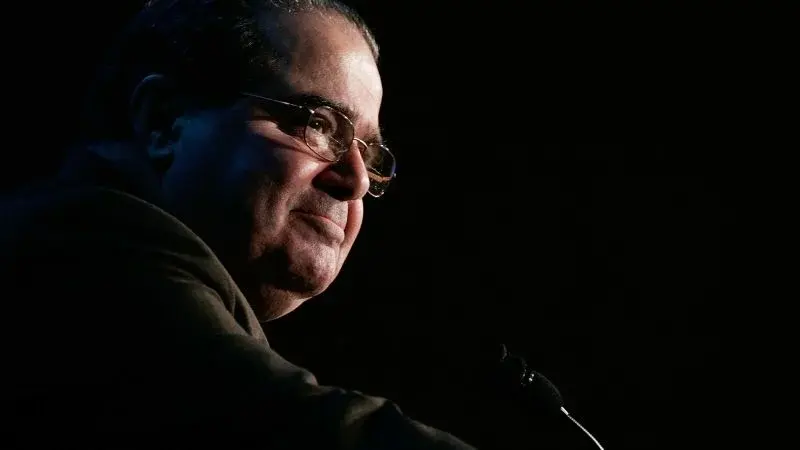
The Supreme Court will hear St. Mary Catholic Parish v. Roy on November 3, 2026, to decide if Colorado can exclude faith-based preschools from its universal preschool program. The state requires schools to sign a nondiscrimination agreement covering sexual orientation and gender identity, which the Archdiocese of Denver refuses. Legal experts predict the conservative majority will rule in favor of the Catholic groups, potentially overturning the 1990 Employment Division v. Smith precedent that limits religious exemptions from neutral laws.
Key points
- The case centers on Colorado’s Universal Preschool program, which offers approximately $6,300 annually in funding for four-year-olds but requires participating schools to sign a nondiscrimination agreement.
- The Archdiocese of Denver and St. Mary Catholic Parish argue that signing the agreement violates their First Amendment free exercise rights, as it forces them to accept families that may not align with their religious teachings.
- The 10th US Circuit Court of Appeals upheld the state’s requirement, citing the 1990 Employment Division v. Smith decision, which allows neutral, generally applicable laws to burden religious practices without a compelling government interest.
- Justices Neil Gorsuch, Samuel Alito, and Clarence Thomas have previously criticized the Smith framework as unworkable, suggesting the current Court may reverse or narrow the precedent to rule in favor of the Catholic challengers.
- The Trump administration’s Solicitor General’s office argues that Colorado’s program is not generally applicable because it allows exceptions for other characteristics, such as disability or low-income status, while excluding religious preferences.
Background
The 1990 Employment Division v. Smith decision, written by Justice Antonin Scalia, significantly reduced free exercise protections by ruling that neutral, generally applicable laws do not require a compelling government interest to justify burdens on religious practices. This led to the passage of the Religious Freedom Restoration Act in 1993 for federal laws, but state-level protections remained limited. Recent Supreme Court cases, including Fulton v. Philadelphia and Carson v. Makin, have increasingly favored religious challengers, often by finding that disputed laws were not neutral or generally applicable, effectively bypassing Smith without formally overturning it.
How outlets are covering it
CNN frames the case as a potential landmark reversal of the 1990 Smith decision, noting that religious groups have long sought to overturn it. Vox emphasizes the broader implications for LGBTQ rights, arguing that the Court is poised to allow religious institutions to discriminate against sexual and gender minorities. The Denver Post and Denver Catholic, through Archbishop James R. Golka, frame the issue as a defense of religious freedom and Catholic education, arguing that Colorado’s exclusion is discriminatory and harms families. The sources diverge on the moral framing: CNN and Vox focus on the legal and civil rights implications, while the Catholic outlets emphasize the protection of faith-based education and the right to religious conscience.
Why it matters
The outcome will determine whether religious institutions can receive public funding while maintaining policies that exclude individuals based on sexual orientation or gender identity. A ruling in favor of the Catholic groups could weaken the Smith precedent, potentially expanding religious exemptions from neutral laws across various sectors, including healthcare, employment, and education. This could have significant implications for LGBTQ rights and the balance between religious freedom and anti-discrimination laws.
What to watch
The Supreme Court will hear oral arguments in St. Mary Catholic Parish v. Roy on November 3, 2026. The decision could either reverse the 10th Circuit’s ruling, potentially overturning or narrowing the Employment Division v. Smith precedent, or uphold the state’s nondiscrimination requirement, reinforcing the Smith framework. The ruling may also influence future cases involving religious exemptions from public benefits and anti-discrimination laws.
- Conservatives have a landmark Scalia religion opinion in their sights CNN
- The Supreme Court is poised to make taxpayers fund anti-LGBTQ discrimination Vox
- Justices to Consider LGBTQ Discrimination and Religious Freedom in Colorado Case Yahoo
- The U.S. Supreme Court can save Colorado’s Catholic education (Opinion) The Denver Post
- Archbishop Golka: The U.S. Supreme Court can save Colorado’s Catholic education Denver Catholic
Want the full story? Read the original reporting
Read on CNN