
Beef Labeling Fight Escalates as Trump Pushes Origin Tags to Offset Import Surge
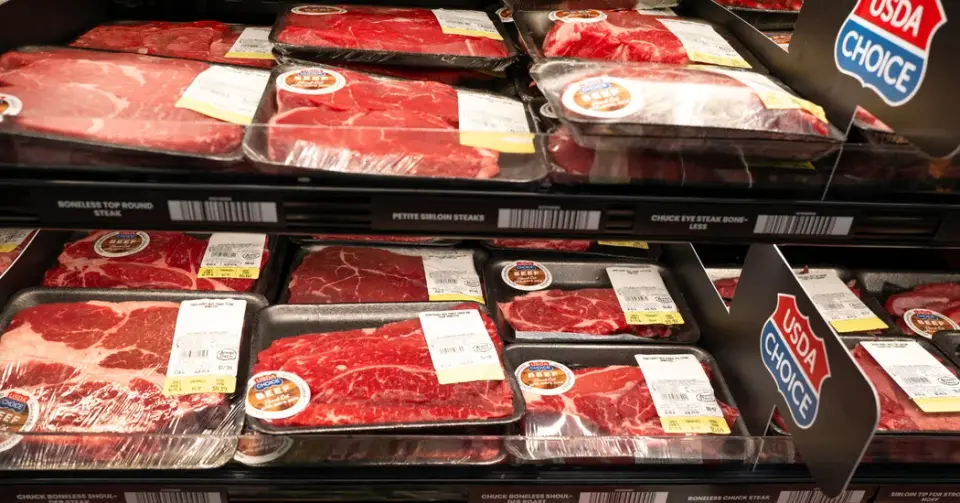
The Trump administration is pushing mandatory country-of-origin labeling for beef to appease ranchers angered by new import rules, but industry groups warn the move will raise consumer costs and disrupt trade with Canada and Mexico.
Key points
- The Agriculture Department is seeking to mandate 'Made in U.S.A.' labels on beef to help consumers distinguish domestic products from cheaper imports.
- This move follows a plan to import over 660 million pounds of lean beef trimmings under reduced tariffs, a policy that has angered ranchers due to potential price drops for domestic cattle.
- The Meat Institute opposes the labeling amendment, arguing it would add $835 million in annual costs to the supply chain and harm trade relations with Canada and Mexico.
- Sen. John Thune’s amendment to the 2026 farm bill requires the U.S. Trade Representative and USDA to implement WTO-compliant labeling within one year.
- Ranchers and some advocates support labeling for transparency, while industry leaders argue it creates bureaucratic burdens and non-tariff trade barriers.
Background
This debate follows earlier tensions in 2026 regarding Trump’s plan to import 300,000 metric tons of foreign beef trim to address a 75-year low in U.S. cattle herds. Previous reports highlighted rancher concerns over price volatility and the administration’s attempts to expand on-farm processing to counter import backlash.
How outlets are covering it
The New York Times frames the labeling initiative as a strategic attempt by the Trump administration to balance consumer price relief with rancher appeasement by offering a choice between premium domestic beef and cheaper imports. In contrast, the Meat Institute, via Beef Magazine, strongly opposes the measure, citing an economic analysis that predicts $835 million in annual added costs and potential retaliation from Canada and Mexico. The Baton Rouge Business Report highlights the resulting conflict between ranchers and retailers, while Yahoo notes the administration is weighing the policy amidst broader trade negotiations.
Why it matters
The outcome of this labeling debate could significantly impact beef prices for American consumers and the viability of U.S. ranching operations. It also tests the limits of trade agreements with key partners like Canada and Mexico, potentially triggering retaliatory tariffs that could affect broader agricultural exports.
What to watch
The Senate must now debate and vote on the farm bill containing the labeling amendment. If passed, the U.S. Trade Representative and USDA have one year to implement a WTO-compliant labeling system. The Meat Institute plans to continue lobbying against the provision during the full Senate session.
- Trump Seeks ‘Made in U.S.A.’ Labels on Beef as Import Rule Angers Ranchers The New York Times
- Country-of-origin beef labeling proposal puts ranchers, retailers at odds Baton Rouge Business Report
- Meat Institute warns Thune MCOOL amendment will raise beef costs beefmagazine.com
- Trump Admin Weighs Mandatory US-Origin Beef Labels Yahoo
- Canadian Cattle Association Statement on Investigation of Mandatory Country of Origin Labelling (mCOOL) for Beef farms.com
Want the full story? Read the original reporting
Read on The New York Times