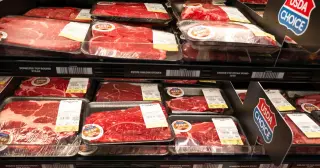
The Trump administration is pushing mandatory country-of-origin labeling for beef to appease ranchers angered by new import rules, but industry groups warn the move will raise consumer costs and disrupt trade with Canada and Mexico.
China expanded its export‑control list to include more Japanese companies and research institutes—adding Mitsubishi Electric and Mitsubishi Heavy Industries subsidiaries—and placed 20 more Japanese entities on a watchlist, in what Beijing says is a response to Tokyo’s security stance and Taiwan remarks, underscoring the weaponization of trade in the China–Japan row.
Trump’s aides are re-launching a broad tariff drive using older laws after the Supreme Court blocked emergency levies, proposing 25% duties on Brazil, a Vietnam probe, and 10–12.5% duties on more than 60 countries over forced-labor rules, plus investigations into industrial overcapacity and subsidies and a China policy board inviting input. The plan aims for durability under Section 122/301 rules, with a late‑July deadline to keep Levies in place, though it faces potential legal challenges; some relief is offered by cutting farm‑equipment tariffs to 15% from 25% as inflation and midterm politics loom.
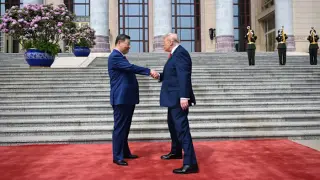
Xi Jinping warned Donald Trump that the Taiwan question is the single most important factor in China–US relations and warned that mishandling could lead to confrontation or conflict, as the two leaders held a high-stakes summit in Beijing. The talks also touched on trade progress, with Xi saying both sides should maintain momentum and noting a tariff-war truce, while the US continued arms sales to Taiwan and discussed a potential path forward on broader economic ties.
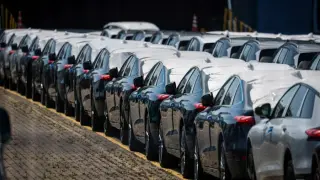
President Donald Trump said he will impose a 25% tariff on EU cars and trucks entering the United States next week unless European manufacturers move production to U.S. plants; shipments manufactured in the United States would face no tariff. The move upends last year's trade deal reducing tariffs on many EU imports and heightens transatlantic tensions, drawing warnings from EU officials and automakers about potential damage to the European auto industry.
China warned the EU it will take countermeasures if its proposed Industrial Accelerator Act—dubbed the Made in Europe plan—hurts Chinese companies, arguing the law discriminates against Chinese investors and contradicts market rules. The EU aims to boost manufacturing’s share of GDP to 20% by 2035 and would restrict foreign investments above €100 million from countries with a large share of global production in strategic sectors, requiring EU worker dominance (at least 50%), local manufacturing involvement, and mandatory technology transfer. Beijing urged dialogue but signalled it could respond if Brussels ignores its objections, highlighting ongoing tensions in EU–China trade as Washington and Beijing negotiate their truce.
The Supreme Court overturned Trump’s emergency tariffs, paving the way for refunds on roughly $175 billion in duties; the process is legally murky, may take months or years, and could backfire politically as refunds may flow to consumers or Chinese importers, underscoring the policy’s flawed design and economic cost.
The Trump administration has criticized the World Trade Organization ahead of a crucial meeting, highlighting ongoing tensions and disputes in international trade relations.
The article discusses the strained relations between Donald Trump, farmers, and China, highlighting how Trump has failed to support farmers and how China has also not fulfilled its commitments, amidst ongoing trade tensions.
The article reports that President Trump has imposed a 107% tariff on Italian pasta, citing dumping allegations, which threatens Italian pasta imports and raises prices for consumers, amidst broader trade tensions and political favoritism towards certain European leaders.
Donald Trump announced a 10% increase in US tariffs on Canada in response to an Ontario government anti-tariff ad, escalating trade tensions between the two countries amid ongoing disputes over tariffs and trade policies.
Canadian and Chinese officials discussed trade disputes over canola and electric vehicles in Beijing, emphasizing the need for ongoing dialogue to build trust and resolve issues, amid ongoing tariffs and anti-dumping duties.
China's global exports reached a six-month high in September, increasing by 8.3% year-on-year, despite a 27% decline in exports to the US amid renewed trade tensions and threats of higher tariffs. While exports to other regions like Southeast Asia, Latin America, and Africa are growing, ongoing US-China trade disputes and export controls pose risks to China's trade stability.
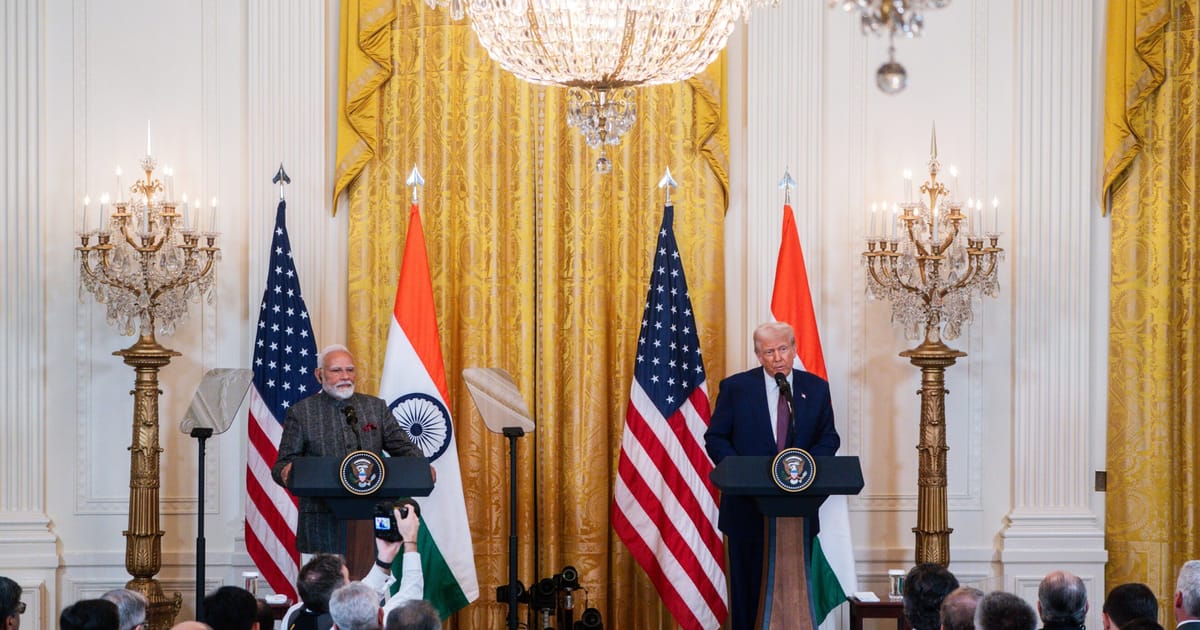
The article discusses the deterioration of the strategic relationship between India and the US under Trump's presidency, highlighting trade tensions, diplomatic conflicts, and India's pivot towards self-reliance and closer ties with Russia and China, leading to the US losing a key strategic partner in Asia.
President Trump and his administration are defending his controversial tariffs after a court ruled them illegal, with ongoing political and economic debates ahead of the upcoming jobs report, which is also politically significant due to recent changes in the Bureau of Labor Statistics leadership.