
Supreme Court faces urgent appeal over mail ballot restrictions ahead of midterms
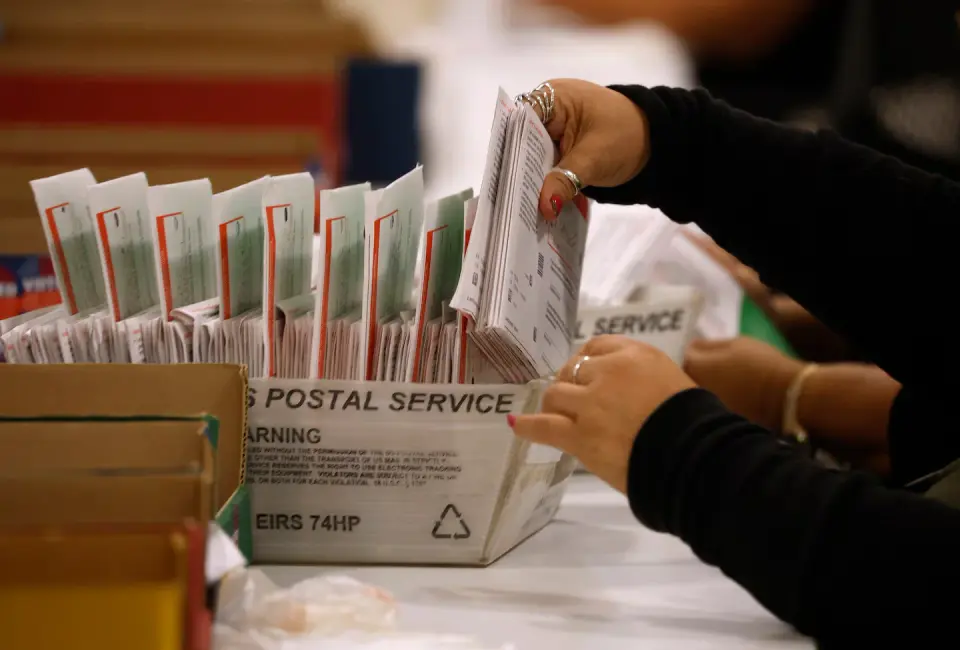
The Trump administration has asked the Supreme Court to immediately allow new restrictions on mail-in ballots, potentially affecting millions of voters in November’s midterms. The rules, which require states to submit voter lists to the USPS and use unique bar codes, face legal challenges from 23 Democratic-led states and voting groups. A federal judge in Boston expressed concern that the changes could cause 'major disenfranchisement' and chaos, while the administration argues the measures are modest security requirements. The case, which has been in a legal battle since March, is now at the high court just weeks before the election.
Key points
- The Justice Department requested an emergency Supreme Court order to allow the USPS to implement new mail ballot regulations before the November midterms.
- The rules require states to submit eligible voter lists to the USPS and mandate unique bar codes on envelopes, with ballots potentially rejected if names do not match.
- Judge Indira Talwani in Boston expressed concern that the plan could cause 'major disenfranchisement' and systemic breakdowns, having previously blocked the rule for 14 days.
- The administration describes the changes as 'modest envelope-design and addressee-information requirements,' while critics call it a power grab over state-run elections.
- A whistleblower report alleged the USPS is rushing to implement a plan that could reject entire batches of ballots if a single envelope does not align with portal data.
Background
This dispute stems from an executive order signed by President Trump in March 2026, which gave federal agencies an unprecedented role in elections. Previous Supreme Court rulings in August 2026 temporarily allowed the administration to proceed with the plan but left the broader merits unsettled, sending the case back to lower courts. The legal battle has intensified as states begin distributing mail-in ballots for the November midterms.
How outlets are covering it
The Washington Post and CNN emphasize the administration's push for immediate Supreme Court intervention to bypass lower-court injunctions, framing the rules as necessary security measures. The New York Times highlights Judge Indira Talwani's concerns about 'major disenfranchisement' and the potential for haphazard rejection of valid ballots. CNN notes that the administration compares the new rules to past USPS protocols for items like cremated remains, while critics argue the Constitution reserves election administration for states. The outlets agree that the case presents an unprecedented legal clash just weeks before the midterms, with the 6-3 conservative court under pressure to decide on an unusually speedy timeline.
Why it matters
The outcome of this case could directly impact millions of voters in the November midterm elections, potentially altering who receives mail-in ballots and how they are processed. It tests the limits of federal power over state-run elections and could set a precedent for future voting restrictions. The timing, with ballots already entering the mail, raises concerns about systemic breakdowns and voter disenfranchisement if the rules are implemented abruptly.
What to watch
The Supreme Court is expected to decide whether to hear the emergency appeal, with a response requested by Tuesday morning. If the court allows the appeal, it could issue a short-term order allowing the USPS to implement the rules. The case will likely be resolved before the November midterms, with potential implications for how mail-in ballots are processed nationwide.
- Trump administration asks Supreme Court to allow mail-in ballot restrictions The Washington Post
- Trump asks Supreme Court to OK sweeping changes for mail ballots CNN
- Trump again appeals to Supreme Court on mail-voting restrictions with midterm elections looming wpri.com
- Postal Service asks Supreme Court to allow Trump’s mail voting changes The Hill
- Judge Suggests Trump Mail-In Voting Rules Could Cause ‘Major Disenfranchisement’ The New York Times
Want the full story? Read the original reporting
Read on The Washington Post