
Experts warn AI-generated Iran war footage deepens trust crisis
President Trump’s recent release of AI-generated combat footage depicting the Iran conflict has drawn sharp criticism from experts who warn it is eroding public trust in official information. While the Pentagon confirmed the footage was fabricated, analysts argue this incident, combined with the ongoing military stalemate and new Iranian missile threats, is 'breaking shared reality' and complicating the administration's narrative of military success.
Key points
- Trump published AI-created fake combat footage of the Iran war, which the Pentagon later confirmed never happened.
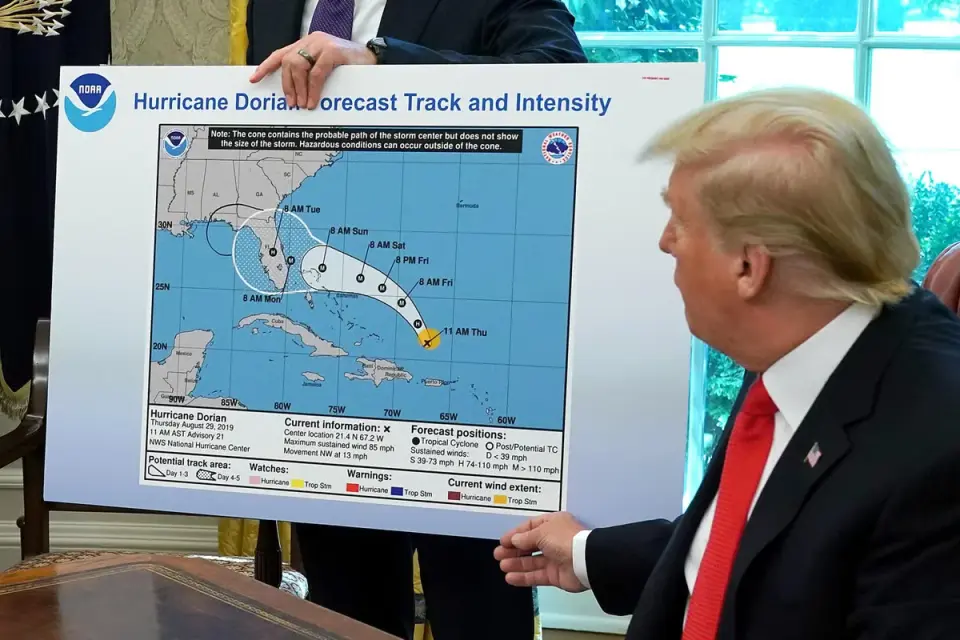
- Experts warn this 'AI fakery' is destroying public trust and 'breaking shared reality,' echoing past incidents like the altered hurricane map.
- Iran has deployed the 'Kheibar Shekan' ballistic missile, which can evade US defenses and strike with high precision, damaging US bases in the Gulf.
- Recent US strikes on Larak Island prompted Iranian retaliation, ending a month-long lull in the conflict.
- Military experts argue US bases in the Persian Gulf are now more vulnerable than in decades due to Iranian missile advancements.
Background
This incident follows a pattern of trust erosion, including previous disputes over election machine security and public health messaging. The ongoing Iran conflict, which began in February 2026, has already impacted energy markets and global supply chains, with gas prices rising and oil futures near $89 a barrel due to disruptions in the Strait of Hormuz.
How outlets are covering it
The Independent emphasizes the broader societal impact of AI-generated disinformation on public trust, framing it as a crisis of 'shared reality.' USA Today focuses on the military implications, highlighting how Iran's new 'Castle Breaker' missiles have exposed vulnerabilities in US defense systems and damaged bases in the Gulf. The Washington Post reports on the immediate tactical developments, noting that recent US strikes on Larak Island have ended a period of quiet and prompted Iranian retaliation. While the Independent and USA Today both highlight the administration's struggle to maintain credibility, the former focuses on the media/trust angle, and the latter on the military/technological angle.
Why it matters
The combination of AI-generated disinformation and a military stalemate in Iran threatens to undermine public confidence in government information and military strategy. As Iran's new missile technology proves effective against US defenses, the administration's claims of success are increasingly contested, potentially affecting domestic support for the war and international alliances.
What to watch
Expect continued scrutiny of the Pentagon's transparency regarding damage to US bases and the effectiveness of its missile defenses. The administration may face pressure to address the credibility gap created by AI-generated content, while military leaders may push for a reassessment of US base vulnerabilities in the Persian Gulf.
- Experts warn that Trump’s AI fakery in Iran will destroy public trust: ‘Breaking our shared reality’ The Independent
- Meet 'Castle Breaker,' Iranian missile wreaking havoc in US war USA Today
- U.S. Strikes May Have Targeted a New Type of Iranian Naval Mine The New York Times
- WATCH: Vance says Trump likes to 'switch it up' by posting AI video of Kharg Island bombing PBS
- A U.S. strike on Iran breaks a month-long lull, and Iran fires back The Washington Post
Want the full story? Read the original reporting
Read on The Independent