
Trump's Pre-Midterm Cash Blitz: $90 Checks, Diesel Orders, and the $5,000 Promise
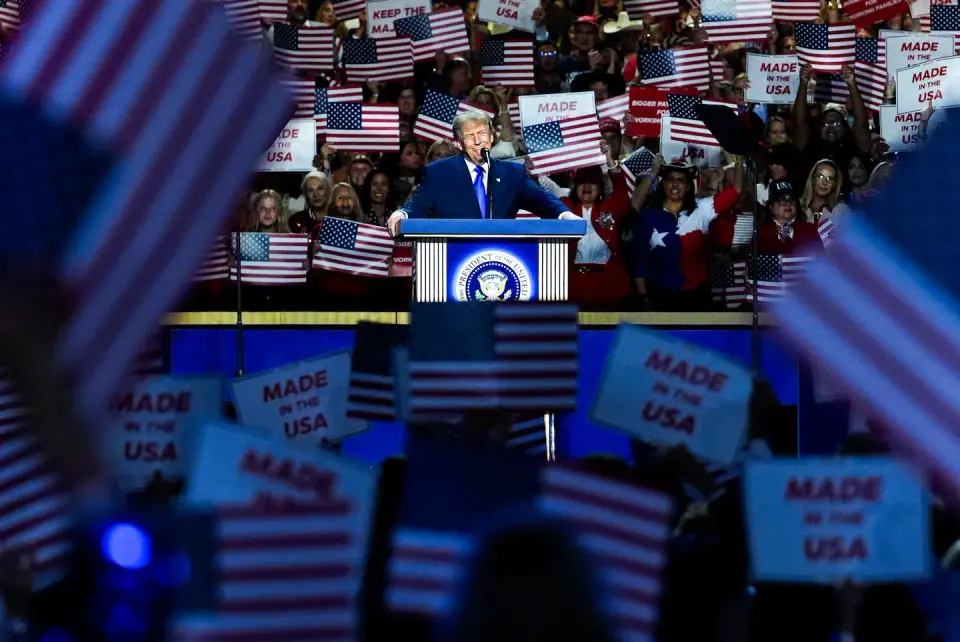
With less than a month until the November 3 midterms, President Donald Trump is deploying a series of direct cash payments and energy policies to address voter concerns about affordability. The administration has initiated $500 refunds for nearly 1 million Affordable Care Act enrollees and $90 payments for over 20 million Medicare beneficiaries. Simultaneously, Trump signed an executive order expanding tax-free diesel availability and promised a $5,000 dividend to all adults if Republicans retain control of Congress. While the White House frames these moves as tangible wins, critics and polling data suggest voters remain skeptical, with many doubting the feasibility of the largest payout and expressing frustration over persistent high prices.
Key points
- The administration began sending $500 checks to nearly 1 million Americans in 30 states as a refund for Affordable Care Act fees, targeting those without premium assistance.
- One-time $90 payments are being distributed to over 20 million Medicare Part B enrollees to offset rising premiums, funded through the Medicare Improvement Fund.
- Trump signed an executive order in Nebraska expanding the availability of tax-free dyed diesel, which is typically restricted to off-road use, amid diesel prices reaching $6.27 per gallon.
- Trump reiterated a promise to send $5,000 checks to every adult citizen if Republicans win the House and Senate, a proposal estimated to cost $1.2 trillion and requiring congressional approval.
- Polling indicates the economy is the top issue for voters, with Trump’s approval ratings low; a Rasmussen survey found likely voters split on the $5,000 proposal, and 57% doubt it will be delivered.
- Trump floated banning diesel exports but backed off after pushback from Energy Secretary Chris Wright and a G7 announcement to release 100 million barrels of reserves; he later claimed Russia agreed to release 300,000 tons of diesel this month.
Background
This campaign of direct payments follows a pattern from Trump’s first term, including pandemic stimulus checks and a $1,776 'Warrior Dividend' for service members. Previous promises, such as a $5,000 'DOGE dividend' and a $2,000 tariff-funded dividend, were not realized. The current economic anxiety is compounded by the Iran war, which has driven fuel prices higher, and high interest rates, which voters cite as a major concern. The administration’s AI chatbot, America.gov, has also faced criticism for contradicting the president on key issues, potentially undermining trust in official communications.
How outlets are covering it
The White House, via spokeswoman Taylor Rogers, argues these payments are 'tangible wins' that demonstrate the administration’s ability to deliver for working-class families, contrasting with Democratic 'socialist' policies. In contrast, Tim Burga of the Ohio AFL-CIO calls the moves 'desperate' attempts to 'buy votes' that ignore the affordability crisis. Republican strategist Alex Conant notes that concrete checks are easier for voters to grasp than generic tax cuts, while GOP strategist Barrett Marson warns that MAGA supporters and independents remain 'disenchanted' and 'furious' over price pressures. Polling from Pew Research Center and Rasmussen Reports shows a divided electorate, with many voters skeptical of the $5,000 promise and critical of the administration’s economic management. The Washington Post highlights the strategic timing of these moves, while CNBC emphasizes the lack of detail and congressional hurdles for the largest payout.
Why it matters
These actions highlight the administration’s strategy to mitigate low approval ratings and high economic anxiety ahead of a critical midterm election. The success of these direct payments and energy policies could influence voter turnout and the outcome of competitive Senate and gubernatorial races. However, the skepticism surrounding the $5,000 dividend and the persistence of high prices suggest that these measures may not sufficiently address the core concerns of the electorate, potentially impacting the Republican Party’s ability to retain control of Congress.
What to watch
The $90 Medicare payments and $500 ACA refunds are expected to be distributed in October 2026. The $5,000 dividend remains contingent on the election outcome and requires congressional approval, which is unlikely given current political opposition. Trump’s economic advisers, including Stephen Moore, have suggested suspending the federal gas tax or biofuel requirements to lower prices, but these measures would take weeks to implement, potentially too late to impact the November 3 elections. The administration will likely continue to emphasize these payments in campaign messaging, while opponents will focus on the feasibility and cost of the proposals.
- Trump showers voters with checks and tax relief in final sprint to midterms The Washington Post
- Trump Promised $5,000 Checks if Republicans Win the Midterms — But His Shifting Wording Has Left Americans Guessing Who Gets Paid Yahoo
- Trump promised a trio of payouts to Americans, from $90 to $5,000. Should you expect one? WLWT
- Trump reiterates pledge to send $5,000 checks, and hands out smaller payments, as midterm elections loom CNBC
- Trump doles out billions to voters ahead of midterm elections Lee News Central
Want the full story? Read the original reporting
Read on The Washington Post