
US Officials Allegedly Orchestrated Sanctions to Aid Bolsonaro’s 2026 Election Bid
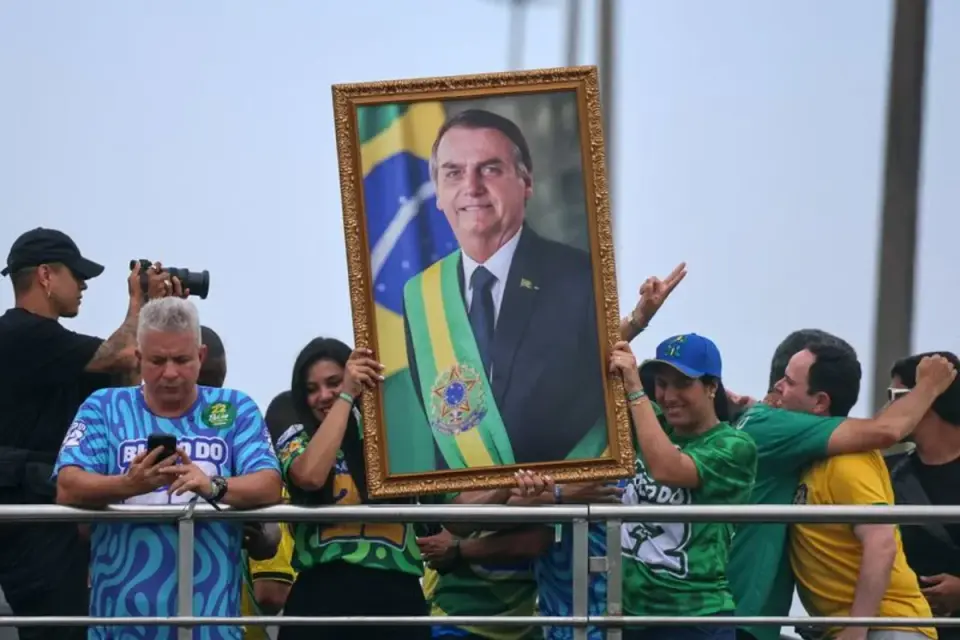
Two US State Department officials allegedly directed diplomatic and sanctions policies to support the Bolsonaro clan in Brazil’s 2026 election, aiming to weaken incumbent President Lula da Silva. Their efforts included imposing sanctions on a Brazilian Supreme Court justice and designating local gangs as terrorist organizations. These measures faced significant setbacks, including backfiring tariffs and the removal of key sanctions, ahead of a tight runoff vote.
Key points
- Darren Beattie and Ricardo Pita, US State Department officials, allegedly instructed diplomats to restore Jair Bolsonaro to power, later shifting support to his son, Senator Flavio Bolsonaro, after Jair’s 2025 conviction for plotting a coup.
- The officials advocated for punitive measures against Brazil, including designating major gangs as terrorist groups and imposing Global Magnitsky sanctions on Supreme Court Justice Alexandre de Moraes, who led investigations into Jair Bolsonaro.
- US sanctions on Brazilian goods and the revocation of justices' visas in 2025 reportedly backfired by boosting Lula’s poll numbers and facing opposition from major Brazilian trade partners.
- The US removed Moraes from the sanctions list in December 2025 without explanation, and Brazil barred Beattie from entering the country in March 2026, marking setbacks for the interventionist strategy.
- President Trump did not publicly endorse a candidate but called Flavio Bolsonaro’s narrow first-round victory a 'big victory,' while Lula warned Washington against encroaching on Brazilian sovereignty.
Background
This development follows a highly contested Brazilian presidential race where Flavio Bolsonaro narrowly led Lula da Silva in the October 4 first-round vote, setting up a decisive runoff on October 25. Previous coverage highlighted the race as a critical test for US influence in Latin America, with concerns over unequal platform access and allegations of state resource abuse. The current report details the alleged behind-the-scenes US efforts to tilt this election through diplomatic and economic pressure, contrasting with earlier reports of a deadlocked race driven by economic anxiety and anti-incumbency sentiment.
Why it matters
The alleged US intervention in Brazil’s internal legal and electoral processes highlights the risks of foreign powers using sanctions and diplomatic tools to influence democratic outcomes in allied nations. It underscores the complex dynamics of US-Latin American relations, where strategic interests may conflict with principles of sovereignty and non-interference, potentially destabilizing regional alliances and trade relationships.
What to watch
The outcome of the October 25 runoff between Lula and Flavio Bolsonaro will determine the immediate political direction of Brazil. If Lula wins, it may signal a rejection of US-backed interventionist tactics and a reaffirmation of Brazilian sovereignty. If Bolsonaro wins, it could solidify a rightward shift in Latin America and strengthen ties with the US, despite the setbacks faced by the interventionist strategy. The US may reassess its approach to Latin American affairs based on the election result and the effectiveness of its previous measures.
Want the full story? Read the original reporting
Read on Yahoo