
U.S. Sanctions Waivers and Starlink Disruptions Fuel Ukraine Crisis
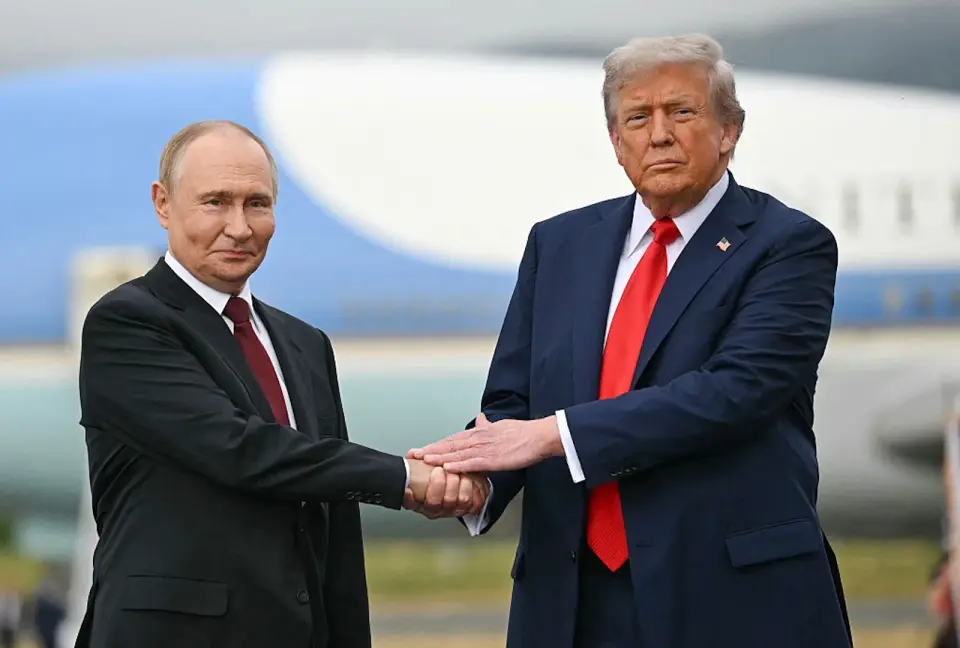
President Donald Trump has taken a series of actions that critics say effectively align the United States with Russia in its war against Ukraine. These moves include waiving sanctions on Russian oil and diesel, which was intended to lower U.S. fuel prices but is seen as funding the Russian war effort. Additionally, there are reports that the U.S. government or Elon Musk's Starlink systems were used to disrupt Ukrainian communications, leading to a massive Russian bombardment. Trump has also called for the ouster of Ukrainian President Volodymyr Zelenskyy. These decisions have sparked significant backlash from Republicans, Democrats, and allies, with some comparing the situation to the Yalta Conference.
Key points
- Trump signed an executive order lifting sanctions on Russian oil to secure diesel fuel, a move that critics say helps fund Russia's war against Ukraine.
- The administration waived additional sanctions passed by a bipartisan majority in the Graham Act, which was signed in September.
- Ukrainian President Zelenskyy accused Trump of pushing Ukraine to surrender to Russia and criticized the diesel deal and sanctions waivers.
- There are reports that Starlink and Starshield communications systems were slowed, disrupting Ukrainian defense and offensive weapons, leading to a massive Russian bombardment.
- Trump has called for the ouster of Zelenskyy and has been criticized for his 'man crush' on Putin.
- The U.S. government is reportedly threatening European allies with economic retaliation if they restrict Starlink in favor of a European-based system.
Background
The U.S. has been a key supporter of Ukraine in its war against Russia, providing military aid and imposing sanctions on Russia. The Graham Act, passed in September, was a bipartisan effort to sanction Russia and other countries supporting its invasion of Ukraine. The current situation marks a significant shift in U.S. foreign policy, with Trump's actions seen as a betrayal of Ukraine and the Western order.
How outlets are covering it
Salon.com argues that Trump's actions are a betrayal of Ukraine and a sign of U.S. weakness, with the president being 'wrapped around Putin's little finger.' The Atlantic agrees, stating that the U.S. has now become an ally of Russia and has abandoned the Western order. Axios focuses on the fallout of Trump's energy moves, noting that the sanctions waivers and diesel deal have sparked diplomatic tensions and political turmoil, with many Republicans criticizing the decisions. Yahoo's article is not a news article but a JavaScript/bot challenge, so it cannot be analyzed.
Why it matters
The U.S. actions have significant implications for the war in Ukraine and the broader geopolitical landscape. By waiving sanctions and potentially disrupting Ukrainian communications, the U.S. is weakening Ukraine's ability to defend itself and is providing Russia with economic support. This could lead to a Russian victory in the war and a shift in the balance of power in Europe. The situation also highlights the divisions within the U.S. political system and the potential for a new world order led by the U.S., Russia, and China.
What to watch
The U.S. is expected to continue its review of the Graham Act, with Trump giving himself 60 days to gauge its impact. The political fallout from the sanctions waivers and diesel deal is likely to continue, with more Republicans potentially breaking with Trump. The U.S. may also face further diplomatic tensions with European allies and Ukraine. The potential summit between Trump, Putin, and Xi Jinping could have significant implications for the future of Ukraine and the global order.
Want the full story? Read the original reporting
Read on Salon.com