
USDA Proposes Ending Categorical Eligibility to Cut 6.3 Million from SNAP
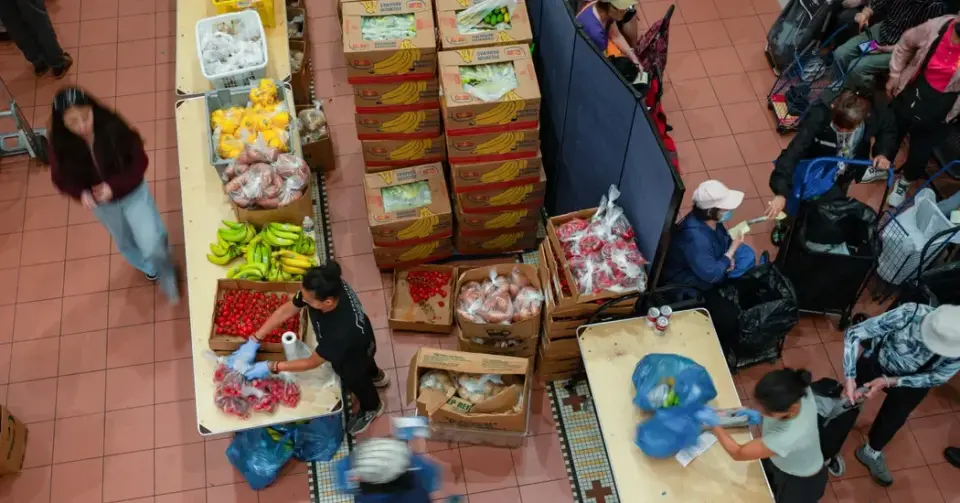
The Trump administration has proposed a new regulation to restrict eligibility for the Supplemental Nutrition Assistance Program (SNAP), potentially removing 6.3 million people from the program by fiscal year 2029. The move targets 'broad-based categorical eligibility,' a policy allowing states to grant SNAP benefits to individuals receiving other assistance like childcare or workforce training. If finalized, the rule would limit automatic eligibility to households receiving cash assistance from the Temporary Assistance for Needy Families program. The proposal is part of a broader effort to reduce federal spending on antihunger programs, following significant cuts enacted in 2025.
Key points
- The USDA proposed a rule to end 'broad-based categorical eligibility,' which currently allows 46 states to expand SNAP access based on participation in other assistance programs.
- The change is estimated to affect 6.3 million people and 3.2 million households by fiscal year 2029, potentially saving the federal government $44.6 billion between 2027 and 2031.
- SNAP enrollment has already declined by approximately 5.5 million people since the passage of the One Big Beautiful Bill Act in 2025, which tightened work requirements and shifted administrative costs to states.
- The proposal follows a 2019 attempt by the first Trump administration to make similar changes, which was reversed by the Biden administration in 2021.
- Democrats, who gained majorities in Congress after midterm elections focused on affordability, have indicated they may delay or roll back such cuts.
Background
This proposal is the latest in a series of federal actions to reduce SNAP participation. In 2025, the One Big Beautiful Bill Act expanded work requirements for ages 18-64 and shifted 75% of administrative costs to states, leading to a 13% drop in enrollment to 36.5 million by mid-2026. The current proposal targets a specific eligibility loophole that has been a long-standing goal for Republicans, including the Heritage Foundation's Project 2025 blueprint. The program, originally established in 1939 and renamed SNAP in 2008, has faced multiple eligibility restrictions under the Trump administration, including a 2019 proposal that was later withdrawn.
How outlets are covering it
The New York Times emphasizes the political context, noting that the proposal highlights the administration's push to change the safety net despite voter concerns about affordability, and that incoming Democrats intend to oppose the cuts. Politico and The Independent focus on the policy mechanics, citing the Heritage Foundation's Project 2025 and noting that the change targets 'broad-based categorical eligibility.' A USDA spokesperson, quoted by The Independent, argued that the current policy has 'bloated the welfare rolls' and allowed states to take shortcuts, while Bloomberg Law highlighted that the rule would limit eligibility to those receiving cash assistance from the Temporary Assistance for Needy Families program, excluding those receiving non-cash services. All sources agree on the estimated impact of 6.3 million people and the potential savings of $44.6 billion, but differ in their framing of the policy's necessity versus its social impact.
Why it matters
The proposal could significantly reduce access to federal food assistance for millions of Americans, potentially exacerbating hunger and placing additional strain on state budgets and food banks. It represents a major shift in federal antihunger policy and could lead to legal challenges or legislative action from Democrats who have pledged to address affordability issues. The outcome will also test the administration's ability to implement deep cuts to the social safety net despite public opposition.
What to watch
The USDA is soliciting public comments for 30 days after the proposal is published in the Federal Register. The rule is expected to take full effect in fiscal year 2029 if finalized. Incoming Democratic majorities in Congress may attempt to delay or roll back the cuts, potentially leading to legislative or judicial battles over the validity of the new eligibility restrictions.
- Trump Administration Moves to Further Limit SNAP Eligibility, Affecting Millions The New York Times
- USDA policy shift would cut millions of people off food aid program Politico
- Trump’s USDA could cut off food stamps to millions more Americans The Independent
- Trump administration moves to cut food stamps for 6.3 million people The Detroit News
- Trump Plan Would Strip Food Aid Benefits From 6.3 Million People Bloomberg Law News
Want the full story? Read the original reporting
Read on The New York Times