
USDA rule to end broad eligibility threatens food aid for 6.3 million Americans
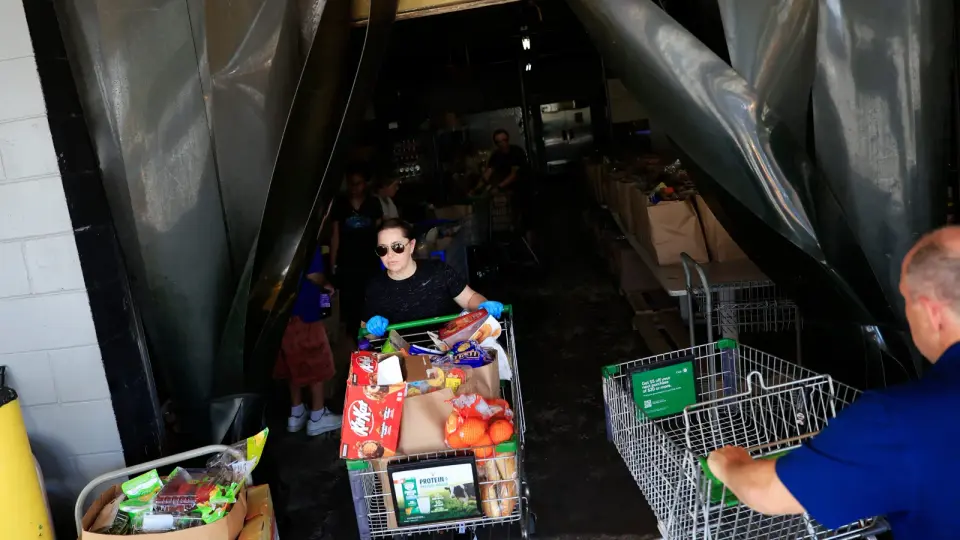
The U.S. Department of Agriculture has proposed ending 'broad-based categorical eligibility,' a policy allowing states to automatically qualify recipients of other social programs for food stamps. This change would force millions to reapply, potentially removing 6.3 million people from the Supplemental Nutrition Assistance Program by 2029 and saving the federal government $45 billion. Critics argue the move ignores rising food costs and shifts administrative burdens to states, while supporters call it a necessary fix for a 'loophole' that inflates error rates. Public comments are due December 10, with over 17,500 already submitted.
Key points
- USDA proposes ending broad-based categorical eligibility, limiting automatic SNAP access to households receiving cash aid through Temporary Assistance for Needy Families.
- The rule would force 6.3 million Americans to apply separately for food stamps, with USDA estimating 17.6% would be denied due to income or asset limits.
- Federal SNAP spending would drop by nearly $45 billion between fiscal years 2027 and 2031, while states face increased administrative costs and application volumes.
- Critics, including Democratic senators and food banks, argue the rule harms vulnerable families during a period of high food prices and ignores congressional intent.
- Supporters, including USDA spokesman Harry Fones, claim the current system allows states to take shortcuts and results in error rates that benefit households above federal income limits.
Background
This proposal follows a 2025 tax and spending bill that already reduced SNAP enrollment by 5 million people and increased state administrative costs. The current rule, established decades ago, allows states to ease asset tests and raise income limits for those receiving non-cash assistance. Previous attempts by Republican administrations to end this flexibility in 2019 and earlier were blocked by Congress. The 2026 proposal aligns with the Heritage Foundation's Project 2025 blueprint and has faced opposition from Senate Agriculture Committee Democrats, who argue it conflicts with legislative history.
How outlets are covering it
USDA and its supporters frame the rule as a long-overdue correction to a 'loophole' that has inflated SNAP rolls and error rates, arguing that households with income and assets above federal limits should not receive benefits. USDA spokesman Harry Fones emphasized that the current system allows states to take shortcuts. In contrast, critics like Save the Children and The Food Research & Action Center argue the rule is cruel and poorly timed, given that 1.7 million Georgians and millions of others nationwide are already facing food insecurity. They contend that the rule ignores the administrative burdens already placed on states by the 2025 spending bill and that USDA lacks the authority to override congressional intent. Democratic senators, including Michael Bennet and Ben Ray Luján, warned that the change could jeopardize federal funding for free school meals in states like Colorado, New Mexico, and Pennsylvania, as fewer children would be automatically certified through SNAP. Local food banks, such as the Worcester County Food Bank, highlighted that the rule would penalize families for having savings for essential expenses like car repairs or housing deposits.
Why it matters
The proposed rule could significantly reduce access to food assistance for millions of Americans, including children and families with children, at a time when food prices are high and many households are already struggling. It would shift administrative costs and application processing to states, potentially straining their resources. The outcome of the public comment period and any potential congressional pushback will determine whether this major shift in food aid eligibility is implemented, with implications for federal spending, state budgets, and the well-being of vulnerable populations.
What to watch
Public comments on the proposed rule are due December 10, with over 17,500 already submitted. The rule is projected to be fully implemented by fiscal year 2029. Congress may attempt to block or modify the rule, as it has done in previous years. States may face increased administrative burdens and costs if the rule is finalized. Advocacy groups and Democratic lawmakers are likely to continue opposing the change, potentially through legal challenges or legislative action.
- Millions face loss of food aid under new USDA plan USA Today
- Proposed change to SNAP threatens free school meals for 1.7 million children The Washington Post
- Trump proposal would deny food stamps to some US families of 3 earning over $35,500 Yahoo
- 1.7 million Georgians facing food insecurity as Thanksgiving approaches 95.5 WSB
- Letters to the editor, Sunday, Nov, 22: SNAP proposal cruel Worcester Telegram
Want the full story? Read the original reporting
Read on USA Today