
USPS halts Trump mail ballot system after Supreme Court block
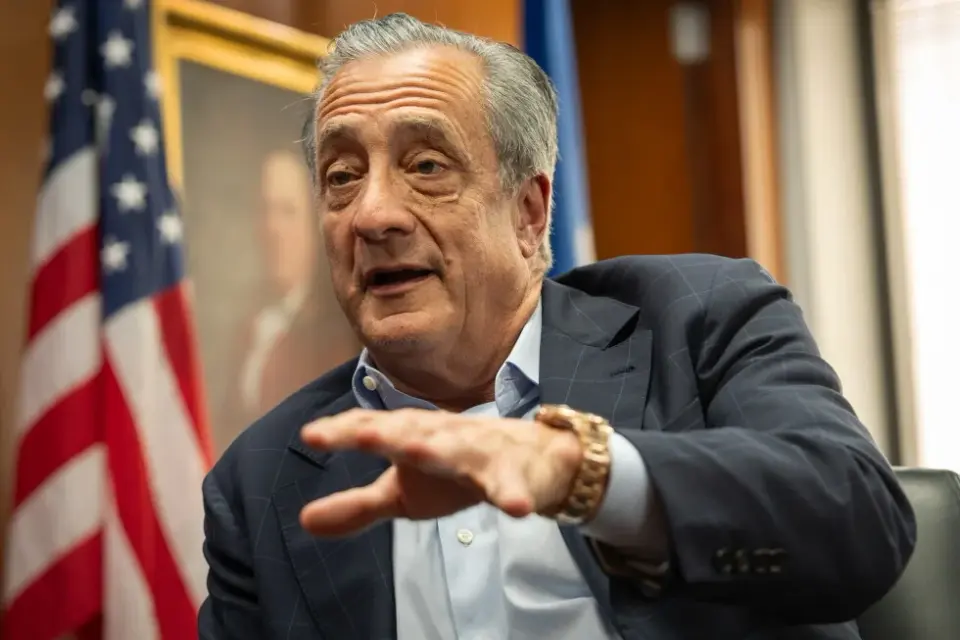
The US Postal Service has ceased work on a system designed to enforce Trump administration rules for mail voting, following a Supreme Court decision that blocked the policy for the 2026 election. Postal Service chief David Steiner confirmed the agency will not enforce the new rules, which required states to upload voter data to a federal portal and use specific barcode envelopes. While the Supreme Court rejected the order for this cycle, Justice Brett Kavanaugh indicated he might support the administration in future cases. The USPS will continue to recommend barcodes for efficiency but will not mandate them, urging voters to mail ballots early to avoid postmark delays.
Key points
- Postal Service chief David Steiner confirmed work stopped on the system to enforce Trump's mail ballot restrictions after the Supreme Court blocked the policy for the 2026 election.
- A memo to employees stated the agency will not enforce the new rules, maintaining 'business as usual' for election mail while focusing on core delivery missions.
- The Trump executive order required states to upload voter data to a Postal Service portal and use uniform barcode envelopes, a process a whistleblower report described as hastily built and error-prone.
- Steiner acknowledged the rapid development of the system but expressed pride in his IT department's speed, noting he had planned to unveil it around September 15.
- Justice Brett Kavanaugh indicated he might rule in favor of the administration if the issue returns to the Supreme Court in a future election cycle.
- The USPS will continue to recommend barcode envelopes for lower processing costs but will not require them, urging voters to mail ballots early to avoid postmark delays.
Background
The Supreme Court previously sidestepped the merits of the Trump administration's mail-ballot limits in September 2026, granting only a procedural win while lower court injunctions remained in place. Federal judges had blocked the Postal Service from enforcing the rules, which required pre-approval of ballot envelope designs and uploading recipient data to a federal portal. Critics argued the rules would cause disenfranchisement near Election Day, while supporters claimed they would curb fraud.
Why it matters
The halt of the Postal Service's system prevents the federal government from imposing new restrictions on mail voting for the 2026 midterms, preserving current state protocols and avoiding potential disenfranchisement. However, the Supreme Court's refusal to rule on the merits leaves the legal status of the policy unresolved, with Justice Kavanaugh signaling potential future support for the administration's position. This creates uncertainty for future elections and highlights ongoing tensions between federal and state control over voting procedures.
What to watch
The Postal Service will continue to encourage the use of barcode envelopes for cost efficiency but will not mandate them. Voters are advised to mail ballots early to avoid postmark delays. The legal status of the Trump administration's mail-ballot restrictions remains unresolved for future elections, with the Supreme Court potentially revisiting the issue if the administration pursues the policy again.
Want the full story? Read the original reporting
Read on AP News