
Trump Signs 90-Day Beef Import Waiver, Drawing Sharp Criticism from GOP Ranchers
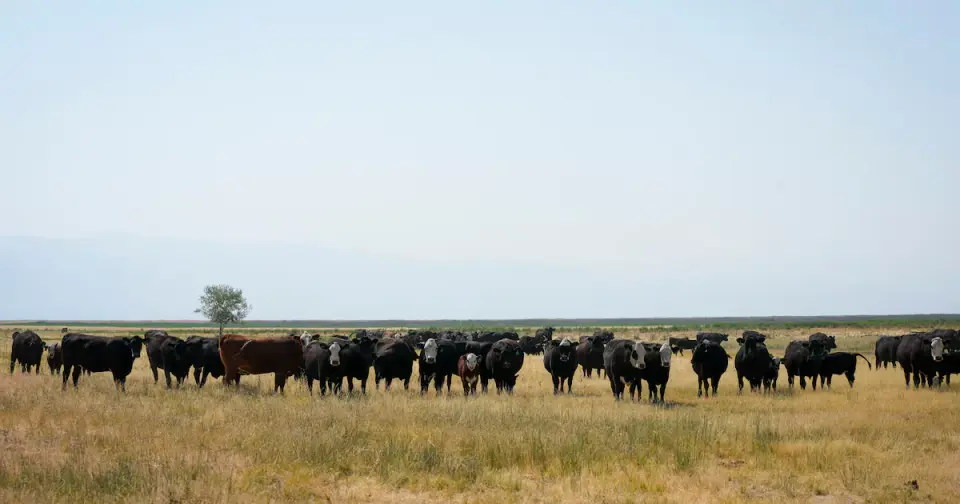
President Trump signed a proclamation allowing 300,000 metric tons of foreign lean beef trimmings to enter the US without tariffs for 90 days, starting September 1. The move aims to lower ground beef prices by 25% before the midterm elections but has sparked backlash from ranchers and some Republicans who fear it will crash domestic market prices and hinder herd rebuilding.
Key points
- The tariff waiver applies to lean beef trimmings intended to be blended with domestic beef, with imports arriving in three 30-day tranches.
- Sen. John Curtis and the Utah Beef Council criticized the plan, arguing it undercuts family-operated ranchers and destabilizes the domestic supply chain.
- Agriculture Secretary Brooke Rollins admitted she was not privy to details regarding which specific countries will supply the imported beef.
- In response to criticism, Trump announced plans to allow ranchers to process their own food, bypassing large meatpacking monopolies.
- The measure is timed to coincide with the peak sales season for ranchers (September-November), raising concerns about market volatility.
Background
Beef prices have surged to nearly $7 per pound, up from $1.71 in 2022, driven by drought, disease, and rising input costs. Previous coverage noted that GOP lawmakers and the National Cattlemen’s Beef Association had already warned against the import plan, citing concerns over herd rebuilding and lack of transparency regarding supplier origins.
How outlets are covering it
The Salt Lake Tribune highlights the specific economic impact on Utah ranchers, noting that market prices crashed immediately after the announcement. CBS News emphasizes the high cost of keeping cattle ($1,100 per year) and the uncertainty facing producers. ABC News focuses on the political backlash, citing Sen. Tim Sheehy and Sen. John Barrasso, who argue the move harms MAGA-aligned ranchers. The Guardian’s coverage, while primarily focused on other topics, notes the administration’s simultaneous push to allow self-processing of meat as a countermeasure to the import controversy.
Why it matters
The policy creates a direct conflict between immediate consumer affordability goals and long-term agricultural stability. By importing cheap foreign beef ahead of the midterms, the administration risks alienating its rural base and destabilizing the domestic cattle market, potentially exacerbating the very supply chain issues it aims to solve.
What to watch
The first tranche of imported beef is scheduled to arrive on September 1. The administration is drafting additional policy actions to support ranchers, including potential changes to meat processing regulations, though details remain unclear. Trump has indicated he may end the tariff waiver early if it does not result in lower retail prices.
- Utah cattle ranchers — and Sen. John Curtis — beef with Trump over import plan The Salt Lake Tribune
- Trump to allow ranchers and farmers to process their own food amid beef import backlash – US politics live The Guardian
- Cattle ranchers express concern about U.S. plan to boost foreign beef imports CBS News
- Trump signs proclamation to pause some beef tariffs despite backlash from farmers, GOP ABC News - Breaking News, Latest News and Videos
- Fact check: Is imported Argentine beef unsafe or secretly horse meat? NewsNation
Want the full story? Read the original reporting
Read on The Salt Lake Tribune