
Wisconsin Governor-Elect Crowley Vows to Redraw Maps and Cut Costs in First 100 Days
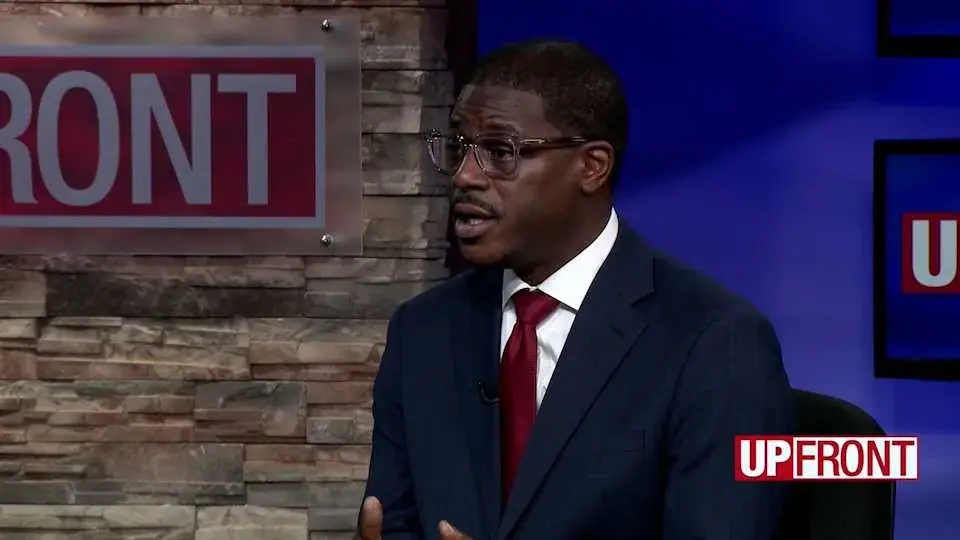
Governor-elect David Crowley has pledged to sign legislation immediately redrawing Wisconsin’s congressional maps if passed by the new Democratic-controlled legislature. In his first post-election interview, Crowley emphasized a focus on affordability, including lower property taxes and expanded public services, while dismissing claims he would be a 'rubber stamp' for the party. He also reaffirmed support for reversing Act 10, which restricts collective bargaining for public employees. Crowley is set to take office on January 4, 2027, after becoming the state’s first Black governor. Strategic advisors suggest Democrats should pass laws incrementally to maintain public support, while Republicans acknowledge a significant electoral defeat driven by national dissatisfaction with the current administration.
Key points
- Crowley stated he would sign a bill to redraw congressional districts if it reached his desk, aiming to counter previous Republican gerrymandering.
- The governor-elect prioritized addressing the 'affordability crisis,' citing voter demands for lower property taxes, better-funded schools, and accessible healthcare and childcare.
- Crowley confirmed his intent to reverse Act 10, the law banning collective bargaining for most public workers, though he deferred specific implementation details to a bipartisan commission.
- He acknowledged a $4.56 million budget error in Milwaukee County, stating the office identified and resolved the issue before the election but delayed disclosure to ensure full transparency with the county board.
- Crowley rejected the label of a 'rubber stamp,' asserting his experience as a county executive requires active collaboration with local communities and elected representatives to deliver results.
Background
Crowley’s victory marks a historic shift in Wisconsin, ending 16 years of Republican control over the state government. His campaign, which featured endorsements from former President Barack Obama and outgoing Governor Tony Evers, focused on economic hardship and working-class issues. The 2026 midterms were characterized by a broad national repudiation of the current federal administration, with voters across the state prioritizing cost-of-living concerns over partisan loyalty. Crowley’s narrow primary win over Francesca Hong and subsequent general election victory over Tom Tiffany highlight a volatile but decisive Democratic surge in the state.
How outlets are covering it
While WISN and WEAU highlight Crowley’s specific legislative priorities, such as redistricting and Act 10, NPR emphasizes the historic nature of his election as the state’s first Black governor and his background in community organizing. Democratic strategist Joe Zepecki advises a 'flood the zone' approach, urging the new legislature to pass laws one at a time to build momentum. In contrast, Republican strategist Bill McCoshen argues that the election was 'nationalized,' with voters focusing on President Trump and affordability rather than state-level issues, leading to a 'wiped out' performance for local Republican candidates. Former Governor Scott Walker acknowledged the defeat but suggested the political shift may not be permanent, advocating for a long-term strategy to regain conservative support in the state.
Why it matters
The outcome of the Wisconsin election signals a potential shift in the state’s political landscape, with Democrats now holding a trifecta of the governor’s office and both legislative chambers. Crowley’s commitment to redistricting could alter the balance of power in future federal elections, while his focus on affordability and public sector labor rights may reshape state policy. The strategic advice from party leaders suggests a period of intense legislative activity, where the ability to deliver tangible results on economic issues will determine the durability of the new Democratic majority.
What to watch
Crowley is expected to finalize his transition team and announce a detailed agenda following his inauguration on January 4, 2027. Legislative Democrats are preparing to introduce bills on Medicaid expansion, marijuana legalization, and minimum wage increases in the coming months. The governor-elect has also proposed a blue ribbon commission to address long-term fiscal issues, including the impact of reversing Act 10 on state taxes. Republicans are expected to focus on defending their remaining seats and preparing for the 2028 cycle, with potential candidates for the U.S. Senate emerging as Senator Ron Johnson’s term concludes.
- Crowley says he'd sign bill redrawing congressional lines as he looks to first 100 days WISN
- Wisconsin Governor Election 2026 Live Results: David Crowley Wins NBC News
- Gov.-elect Crowley says focus will be lowering cost of living WEAU
- Democrat David Crowley will be Wisconsin’s first Black governor NPR
- Gov.-elect David Crowley discusses blue wave, goals for office WPR
Want the full story? Read the original reporting
Read on WISN