
El Niño drives rare sea snakes and turtles to Southern California beaches
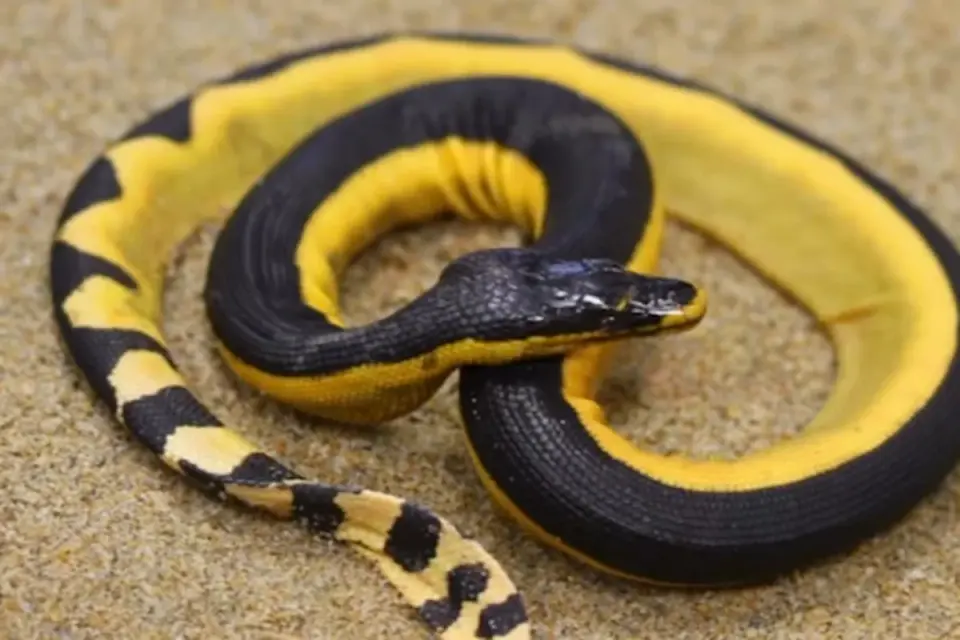
Unusually warm El Niño waters are driving rare yellow-bellied sea snakes and olive ridley sea turtles to Southern California beaches, prompting scientists to urge the public to report sightings and avoid handling the venomous snakes.
Key points
- The Natural History Museum of Los Angeles County confirmed the eighth yellow-bellied sea snake ever documented in Southern California was found last weekend.
- Scientists attribute the increased sightings of both species to warmer ocean temperatures associated with the current El Niño event.
- A new olive ridley sea turtle nesting site was discovered on a Santa Barbara County beach, potentially predating earlier nests found in Orange County in September.
- The museum launched a community science effort called the Fangsgiving and Hissmas Sea Snake and Sea Turtle Search to encourage beachgoers to report findings.
- Officials warn that yellow-bellied sea snakes are highly venomous and should not be handled, advising the public to photograph them from a distance and notify lifeguards.
Background
Southern California has experienced a series of coastal disruptions in late November 2026, including record king tides and atmospheric river storms that prompted evacuation warnings and beach closures. These extreme weather events, combined with the El Niño phenomenon, have created conditions that are drawing tropical marine species further north along the California coast. The yellow-bellied sea snake and olive ridley sea turtle are typically found in warmer tropical waters, with the latter being classified as vulnerable by the IUCN.
How outlets are covering it
The Independent emphasizes the scientific significance of the new nesting sites and the community science initiative, while CBS News highlights the broader impact of El Niño on marine life and the transfer of turtle eggs to an aquarium. Patch focuses on the immediate safety concerns regarding the venomous snake and the poor health of the stranded animal. All sources agree that El Niño is the primary driver for these rare sightings, but they differ in their emphasis on the ecological implications versus the immediate public safety risks.
Why it matters
The appearance of these species in Southern California signals significant shifts in marine ecosystems due to climate change and El Niño, highlighting the need for public awareness and scientific monitoring to understand the long-term impacts on coastal biodiversity.
What to watch
Scientists expect more sea snake activity and potential turtle nest discoveries during high tides through Sunday, with additional windows for sightings expected from December 4-11 and December 20-27. The public is encouraged to report any sightings to local lifeguards or the NOAA California Sea Turtle Stranding Line.
- Venomous sea snakes are washing ashore on Southern California beaches as officials issue urgent warning The Independent
- SoCal beachgoers asked to watch for rare El Niño reptiles NBC Los Angeles
- Rare venomous sea snake reaches Southern California coast KTLA
- El Niño's warm waters bring rare sea creature sightings to Southern California CBS News
- Rare, Highly Venomous Sea Snake Washes Up On OC Beach Patch
Want the full story? Read the original reporting
Read on The Independent