
Wisconsin Mayor Defends Data Center Amid National Backlash
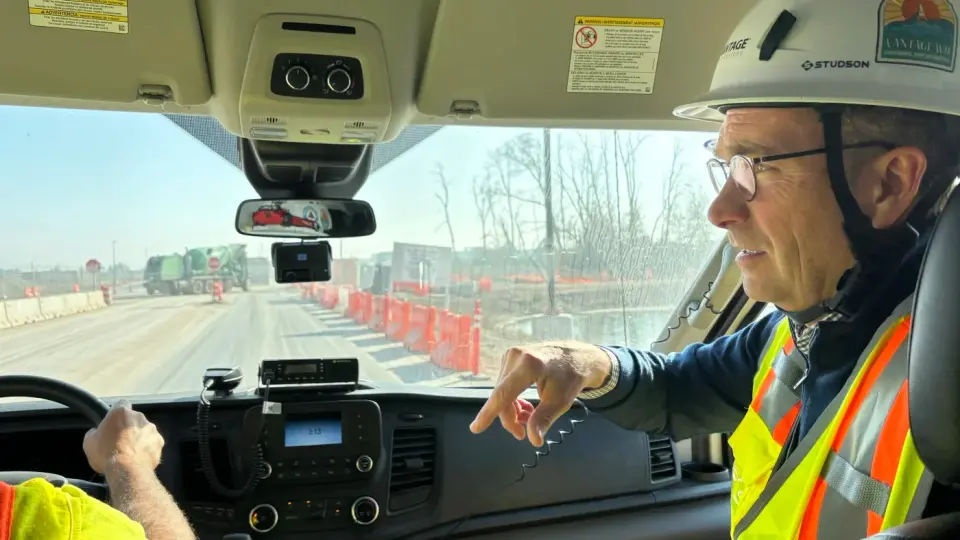
While 65% of Americans oppose local data center construction, Mayor Ted Neitzke of Port Washington, Wisconsin, argues that a massive new facility will lower taxes and revitalize his formerly industrial community. This local support contrasts sharply with a nationwide trend where voters approved 40 of 41 ballot measures restricting such projects in the 2026 midterms, a shift that helped Democrats gain power. Although the U.S. Senate recently passed a bill to ease construction, public resistance remains high due to concerns over water usage, noise, and utility costs.
Key points
- Mayor Ted Neitzke supports a data center project in Port Washington, Wisconsin, described as the size of 500 football fields, arguing it offers the best square-foot value for industrial development.
- Neitzke claims the project will lower taxes and generate revenue, comparing the current AI era to the industrial revolution of the early 20th century.
- A survey cited by Talking Points Memo indicates 65% of Americans oppose data centers in their communities, with 76% of Democrats and 52% of Republicans expressing opposition.
- In the 2026 midterms, voters approved data center restrictions or moratoriums in 40 out of 41 instances, including a ban in Ohio and a 180-day moratorium in Maine.
- The U.S. Senate passed a bill last week to make data center construction easier, despite the electoral backlash against the AI industry.
- Opposition drivers include environmental concerns (28% of respondents), quality of life issues like noise (15%), and increased utility costs (10%).
Background
This debate follows a period of intense scrutiny regarding AI infrastructure, where local communities have increasingly used ballot measures to restrict development. The current political landscape shows a divergence between federal legislative efforts to promote construction and local voter preferences that have shifted significantly against such projects since 2025.
How outlets are covering it
NPR highlights the perspective of Mayor Neitzke, who views data centers as essential economic drivers for post-industrial towns, framing the opposition as an outdated resistance to necessary evolution. In contrast, Talking Points Memo emphasizes the overwhelming public rejection of these facilities, linking the 40-to-1 vote tally against data center measures to the Democratic sweep in the 2026 midterms. While NPR focuses on a single community’s attempt to mitigate downsides through a specific deal, TPM argues that the broader political consensus has turned against the AI industry, with many Republican candidates distancing themselves from unrestricted construction to avoid electoral penalties.
Why it matters
The conflict between federal policy and local voter sentiment creates a regulatory impasse. If the Senate bill passes, it may face significant implementation hurdles in communities that have already enacted bans or moratoriums. The economic promise of data centers is being weighed against tangible local costs, including water depletion and rising utility bills, which have become central to political campaigns.
What to watch
The new Democratic-led Congress is expected to prioritize AI regulation, potentially countering the Senate’s recent easing of construction rules. Meanwhile, the Port Washington project will proceed, serving as a test case for whether Neitzke’s model of balancing benefits and downsides can succeed in a community that has not yet voted to ban such facilities.
- The case for data centers NPR
- Backlash Against Data Centers Helped Democrats Win the Midterms Talking Points Memo
- Map Shows States Welcoming Data Centers, and Those Pushing Back Newsweek
- The global AI data center debate explained: How tech infrastructure is straining electricity and water resources NBC News
- Opinion | Let’s Build Data Centers for the Real World WSJ
Want the full story? Read the original reporting
Read on NPR