
MapQuest Defies Trump's 'Lake America' Rename, Surging in Downloads
MapQuest has refused to rename Lake Ontario to 'Lake America' following President Trump's executive order, a decision that has driven a massive surge in app downloads. While Apple and Google Maps complied with the change for US users, MapQuest's defiance has turned it into a symbol of resistance, boosting its popularity and engagement rates significantly.
Key points
- MapQuest has explicitly refused to change the name of Lake Ontario to 'Lake America' on its platform, defying President Trump's executive order.
- Apple and Google Maps have both updated their maps to display 'Lake America' for US users, a move that drew criticism from Canadian officials and the public.
- MapQuest's refusal has led to over 2 million app downloads in one week, a significant increase from the 300,000 to 500,000 downloads seen during the previous 'Gulf of America' controversy.
- The name change is part of a broader US-Canada trade dispute, with Trump's administration attempting to pressure Canada through symbolic gestures like renaming geographic features.
- MapQuest's engagement rates have increased fivefold, and the company is now considering a roadmap to gather direct user input on future features.
Background
This controversy follows a similar incident in 2025 when Trump renamed the Gulf of Mexico to 'Gulf of America,' which also sparked public backlash and a surge in MapQuest's popularity. The current 'Lake America' debate is part of a larger pattern of US-Canada trade tensions, with the name change seen as a symbolic attempt to pressure Canada into accepting US trade terms. The issue has drawn attention from various figures, including Canadian Premier Doug Ford and Iron Maiden frontman Bruce Dickinson, who mocked the change at a concert in Toronto.
How outlets are covering it
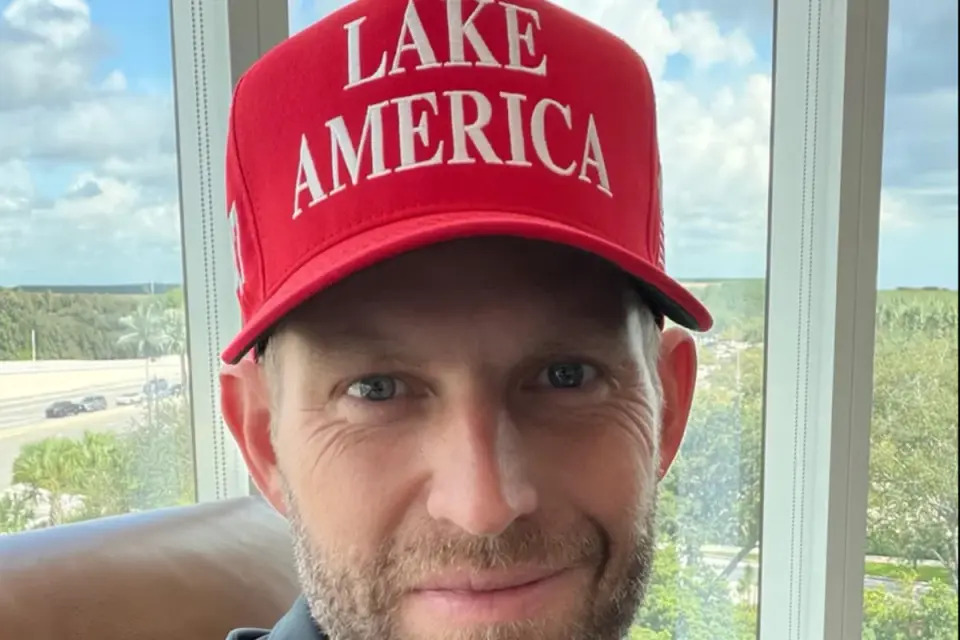
The Independent highlights the public mockery of Eric Trump over a 'Lake America' hat photo, suggesting a broader cultural backlash against the name change. Slate focuses on MapQuest's defiance and the resulting surge in app downloads, emphasizing the company's strategic decision to maintain the original name. AP News reports on the compliance of Apple and Google Maps, noting that the change is only for US users and is not binding on Canada or international standards. The outlets differ in their emphasis: The Independent focuses on the cultural and political mockery, Slate on the technological and business impact, and AP News on the factual and diplomatic implications.
Why it matters
The 'Lake America' controversy illustrates the intersection of technology, politics, and public sentiment. It highlights how corporate decisions can influence public opinion and how symbolic gestures by political leaders can have real-world consequences, such as shifts in consumer behavior and international relations. The surge in MapQuest's downloads demonstrates the power of public backlash and the potential for companies to leverage such moments to boost their brand and user engagement.
What to watch
MapQuest is likely to continue leveraging its newfound popularity to enhance its app and engage with users. The US-Canada trade tensions may escalate, with further symbolic gestures or retaliatory measures from Canada. The public's reaction to the 'Lake America' name change may influence future corporate decisions regarding compliance with political directives, potentially setting a precedent for other companies in the technology sector.
- Internet mocks Eric Trump over his ‘Lake America’ hat photo independent.co.uk
- What app surged in downloads after Trump's 'Lake America' change? The quiz knows NPR
- Trump Just Got Embarrassed by the “OG of Online Mapping” Slate
- Majority of Americans oppose Trump's new Canada tariffs, renaming Lake Ontario, Reuters/Ipsos poll finds Reuters
- Apple changes Lake Ontario name to 'Lake America' for US users of its Maps, following Trump's order AP News
Want the full story? Read the original reporting
Read on independent.co.uk