
MapQuest Hits No. 1 as Tech Giants Split Over Lake Ontario Rename
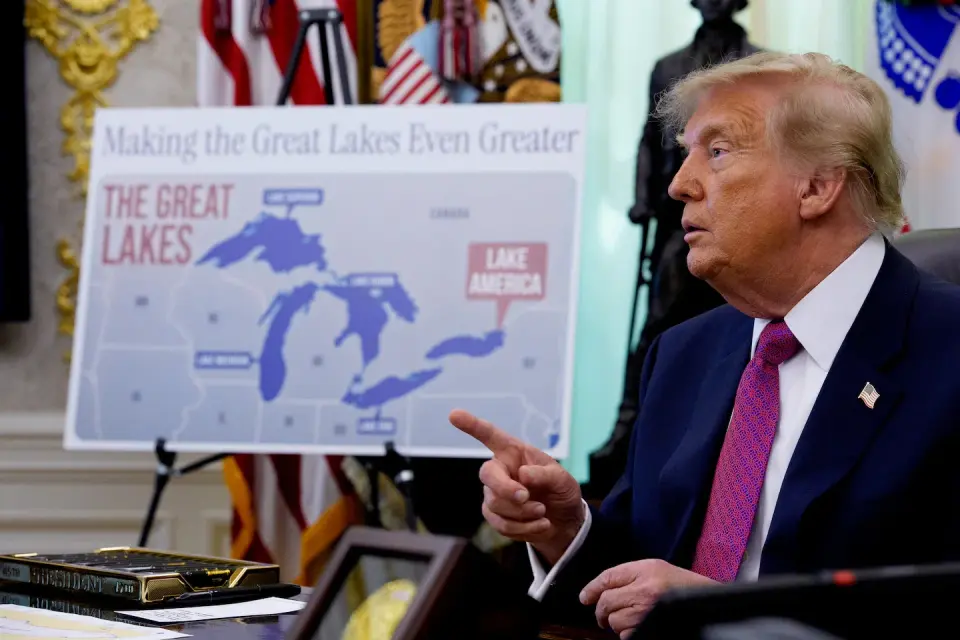
MapQuest has become the top free app in the U.S. and Canadian App Stores after refusing to rename Lake Ontario to 'Lake America' in response to a recent executive order. While Google and Apple Maps updated their labels for U.S. users, MapQuest maintained the traditional name, citing its policy of preserving historical geographic names. This decision triggered a massive surge in downloads, with usage reaching 50 times its normal rate, as users sought a navigation tool that retained familiar place names during the escalating U.S.-Canada trade dispute.
Key points
- MapQuest reached its highest ranking in 30 years, topping both the U.S. and Canadian Apple App Stores.
- The company refused to change the lake's name, stating it keeps historical names for lakes and gulfs.
- Google Maps updated its U.S. interface to show 'Lake America' but retained 'Lake Ontario' for Canadian users.
- Apple Maps also changed the label for U.S. users, following a direct request from the White House.
- MapQuest usage has increased by approximately 50 times since the announcement, with hundreds of thousands of new downloads.
Background
This development follows an executive order signed by President Trump last week, which renamed Lake Ontario to 'Lake America' amid a trade war with Canada. The order was part of a broader dispute that included 50 percent tariffs on Canadian goods. MapQuest had previously implemented a similar approach when the Gulf of Mexico was renamed the Gulf of America in 2025, allowing users to customize names while the platform itself retained historical labels.
How outlets are covering it
The Washington Post and CBS News emphasize MapQuest's refusal to comply as the primary driver of its popularity, highlighting the company's stance on preserving historical names. The New York Times focuses on the compliance of major tech competitors, noting that Google and Apple Maps updated their U.S. interfaces to reflect the executive order. While the Post and CBS News frame the situation as a consumer backlash against the rename, the NYT presents it as a standard update following U.S. Geographic Names Information System guidelines, noting that Canadian users still see the original name on Google Maps.
Why it matters
The surge in MapQuest usage illustrates how geopolitical and trade disputes can directly impact consumer technology choices. It highlights the tension between federal executive orders and corporate autonomy in digital mapping, as well as the public's resistance to rapid changes in geographic nomenclature. The incident also underscores the fragmented nature of digital maps, where the same physical location can have different names depending on the user's location and the platform's policy.
What to watch
MapQuest may continue to see sustained high usage as the U.S.-Canada trade tensions persist. The White House has not addressed whether MapQuest's refusal violates the executive order, but it is likely to monitor the situation. Apple and Google may face further pressure to align their maps with federal directives, though they have maintained regional variations to accommodate Canadian users.
- Thanks to Lake Ontario, MapQuest is popular all over again The Washington Post
- Google Maps Changes Lake Ontario to Lake America Following Trump’s Executive Order The New York Times
- Majority of Americans oppose Trump's new Canada tariffs, renaming Lake Ontario, Reuters/Ipsos poll finds Reuters
- Trump has asked Apple to change Lake Ontario name: Burgum The Hill
- MapQuest tops Apple App Store after refusing to change Lake Ontario to "Lake America" cbsnews.com
Want the full story? Read the original reporting
Read on The Washington Post