
MapQuest Tops US Charts After Defying Trump's Lake Ontario Rename
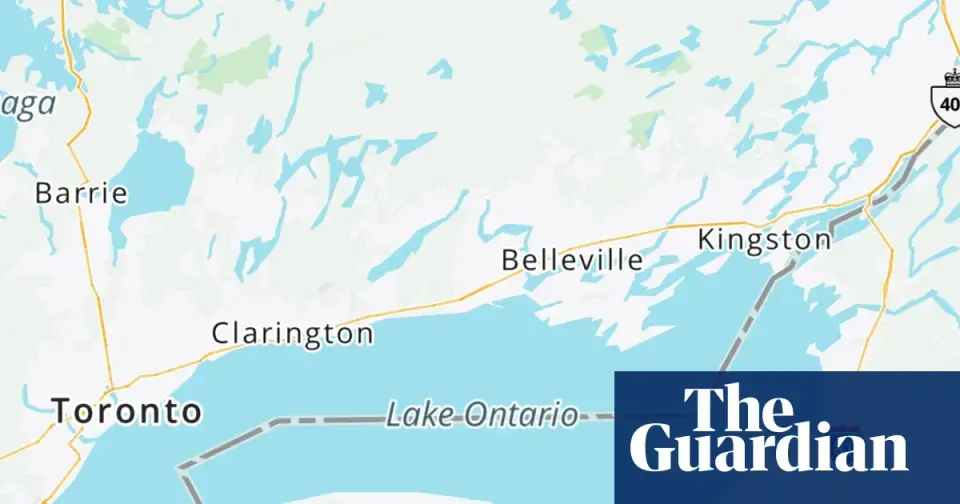
MapQuest has become the most downloaded navigation app in the US after refusing to rename Lake Ontario to 'Lake America' in response to a presidential executive order. While Google and Apple Maps complied with the change for US users, MapQuest maintained the traditional name, leading to a surge in downloads and public support. The dispute highlights ongoing tensions between the US and Canada over trade and national symbols.
Key points
- MapQuest reached No. 1 on the US Apple App Store, surpassing Google Maps and Apple Maps, after refusing to adopt the name 'Lake America' for Lake Ontario.
- President Trump signed an executive order on August 27, 2026, directing federal agencies to rename Lake Ontario to 'Lake America' amid a trade dispute with Canada.
- Google Maps updated its US interface to show 'Lake America' on August 29, while Apple Maps made the change on September 1, following pressure from the White House.
- MapQuest's general manager, Doug Berger, stated that app usage has increased by approximately 50 times its normal rate, with hundreds of thousands of new downloads since the order was issued.
- A Reuters/Ipsos poll found that only 14% of Americans support the renaming, while 57% oppose the higher tariffs on Canadian goods that accompanied the trade dispute.
Background
This incident follows a similar move in 2025 when Trump ordered the Gulf of Mexico to be renamed the 'Gulf of America' for US federal agencies. MapQuest previously resisted that change by offering users a tool to create their own names for the body of water. The current dispute is part of a broader trade war, with Canada imposing retaliatory tariffs on US goods after US trade talks collapsed in August 2026.
How outlets are covering it
The Guardian and The Washington Post emphasize MapQuest's defiance as a popular cultural moment, noting its rise to the top of app charts and the company's humorous social media responses. The New York Times focuses on Google's compliance, citing its reliance on the US Geographic Names Information System. USA Today provides a technical breakdown of how different platforms handle the name change, noting that Google and Apple show 'Lake America' only to US users, while international users see both names. In Canada, Ontario Premier Doug Ford and public protests, including a giant sign near Grimsby, have reinforced opposition to the rename, with Ford stating the lake will remain Lake Ontario.
Why it matters
The MapQuest surge illustrates how geopolitical disputes can drive consumer behavior and brand loyalty. It also highlights the tension between federal mandates and private corporate autonomy in digital services, as well as the public's resistance to symbolic changes tied to trade policy. The low approval ratings for the rename and the tariffs suggest that the administration's approach may be unpopular among the American public.
What to watch
Apple Maps is expected to continue showing 'Lake America' for US users, as Interior Secretary Doug Burgum confirmed the president directly contacted Apple. The US House introduced the 'Hands Off Our Great Lakes Act' to block the rename, but its passage is uncertain. Canada's retaliatory tariffs are set to take effect on September 8, potentially escalating the trade war further.
- MapQuest app reaches No 1 on US Apple list after defying Trump’s Lake Ontario order The Guardian
- Google Maps Changes Lake Ontario to Lake America Following Trump’s Executive Order The New York Times
- Thanks to Lake Ontario, MapQuest is popular all over again The Washington Post
- How maps are handling Lake Ontario to Lake America name change USA Today
- Trump has asked Apple to change Lake Ontario name to 'Lake America' on its maps, interior chief says AP News
Want the full story? Read the original reporting
Read on The Guardian