
Apple Maps adopts 'Lake America' name for US users, sparking cross-border debate
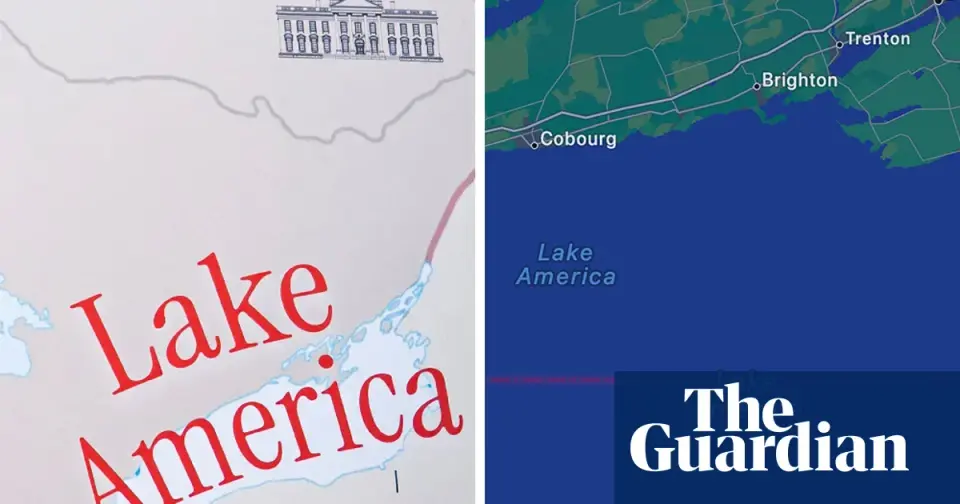
Apple has updated its Maps application to display 'Lake America' instead of 'Lake Ontario' for users in the United States, complying with a recent executive order from President Donald Trump. This change follows similar updates by Google Maps and occurs amid escalating trade tensions with Canada. While US users see the new name, international users continue to see 'Lake Ontario,' and some mapping services have refused to make the change, leading to a surge in popularity for dissenting apps.
Key points
- Apple Maps now shows 'Lake America' for US-based users, aligning with a Trump executive order.
- Google Maps implemented the change earlier, citing US Geographic Names Information System (GNIS) updates.
- The name change is visible only in the US; users in Canada and other countries still see 'Lake Ontario.'
- MapQuest, which refused to change the name, recently became the top app on the Apple App Store.
- The renaming is linked to broader US-Canada trade disputes, including recent tariff escalations.
Background
This development follows a series of executive orders in late August 2026 where President Trump directed the renaming of Lake Ontario to 'Lake America.' Previous coverage indicated that while Google quickly adopted the change, Apple was deliberating. The move is part of a broader pattern of nationalist rhetoric in US-Canada relations, which has intensified due to trade wars and tariff impositions. The lake's name has Indigenous origins, a fact highlighted by Canadian officials to reject the change.
How outlets are covering it
The Guardian reports that Apple's decision followed a personal request from President Trump, with the president declaring the name change 'complete' after both major tech giants complied. The Washington Post highlights local reactions in Ontario, New York, where some residents expressed pride in the new name, viewing it as a patriotic gesture. In contrast, the Guardian notes that MapQuest's refusal to change the name led to a surge in its popularity, indicating public resistance to the mandate. The ABC News source was unavailable, so no perspective could be derived from it.
Why it matters
The renaming of a major geographical feature by a tech company in response to a political order highlights the intersection of technology, geopolitics, and national identity. It underscores the tangible impacts of US-Canada trade disputes on everyday digital experiences and raises questions about the authority of national governments to dictate international nomenclature. The public's mixed reaction, as seen in the surge of MapQuest's popularity, indicates a significant cultural divide over the issue.
What to watch
The US Interior Department is expected to update the official Geographic Names Information System (GNIS) within 30 days, which may influence other mapping services. Canada is likely to continue rejecting the name change, potentially leading to further diplomatic friction. The popularity of MapQuest suggests that public sentiment may influence future corporate decisions on similar political mandates.
- Apple Maps renames Lake Ontario as ‘Lake America’ for US users after Trump order The Guardian
- Majority of Americans oppose Trump's new Canada tariffs, renaming Lake Ontario, Reuters/Ipsos poll finds Reuters
- Lake Ontario is now Lake America. Residents of Trump-voting Ontario have thoughts. The Washington Post
- Apple changes Lake Ontario name to 'Lake America' for US users of its Maps, following Trump's order ABC News - Breaking News, Latest News and Videos
- Trump has asked Apple to change Lake Ontario name: Burgum The Hill
Want the full story? Read the original reporting
Read on The Guardian