
Supreme Court appeal escalates custody fight over Texas-born infant with heart defect
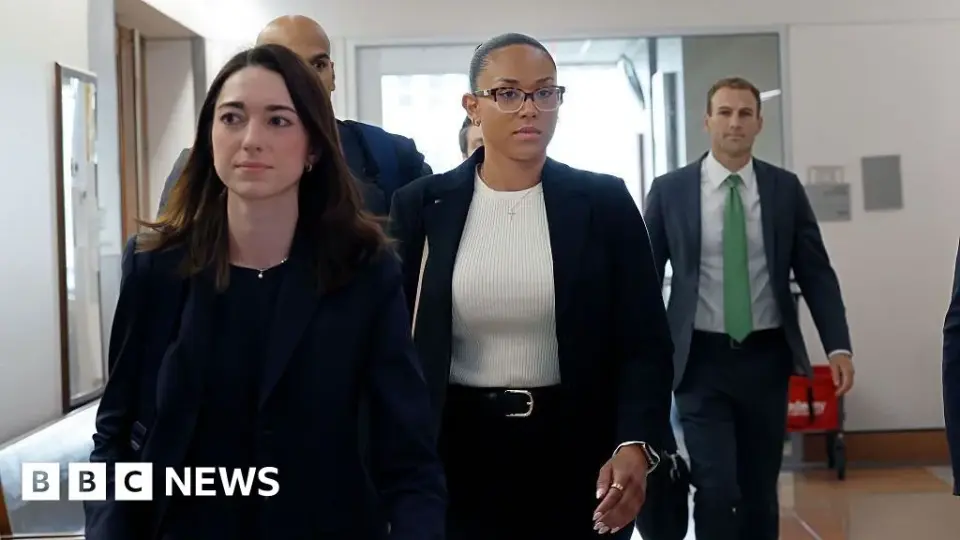
McKenna West, a surrogate who refused an abortion request from her intended parents, has filed an emergency appeal with the US Supreme Court to halt a California ruling granting parental rights to Omar Ahmed and Nausheen Gilkar. The dispute centers on the custody and medical care of a four-week-old boy born with hypoplastic left heart syndrome in Texas. West argues the couple will not provide necessary life-saving surgeries, while the couple claims West violated their contract and withheld medical information. A Texas judge recently denied West conservatorship, deferring to the California judgment, prompting West to seek federal intervention to prevent the child from being moved to California for hospice care.
Key points
- McKenna West filed an emergency appeal with the US Supreme Court on Wednesday to stop a California court order recognizing Ahmed and Gilkar as the legal parents.
- West, a nurse from Alaska, traveled to Texas to give birth in August after refusing the couple's request to abort the pregnancy due to a severe heart defect.
- The infant, named Rumi by the parents and Gabriel by West, was born on August 12 with hypoplastic left heart syndrome, a condition requiring multiple non-curative surgeries.
- Texas Attorney General Ken Paxton intervened to ensure the child received medical care in Texas, but a Texas judge later denied West sole conservatorship on September 2.
- West alleges the couple may place the child in hospice care in California rather than pursue life-saving treatments, while the couple asserts they are committed to the child's survival.
- The couple has sued West for at least $100,000 in damages and obtained a restraining order barring her from seeing the child.
Background
This dispute began in May 2026 when Ahmed and Gilkar requested an abortion after a scan revealed the fetal heart defect. West refused and traveled to Texas, where abortion is largely banned, to give birth. The case has drawn attention from Republican officials and anti-abortion groups, highlighting tensions between surrogacy contracts, state abortion laws, and medical ethics. Previous coverage noted the infant's critical condition and the complex legal battles across California and Texas regarding parental rights and medical decision-making.
How outlets are covering it
BBC and CBS News report that West is seeking custody to ensure the child receives life-saving care, citing the couple's initial request for abortion as evidence of their unwillingness to provide treatment. The Texas Tribune emphasizes that a Texas judge denied West custody, deferring to the California judgment, and notes that the couple has sued West for damages. CNN focuses on the Supreme Court appeal and the involvement of Republican officials, while all sources agree that the child's condition is life-threatening and requires multiple surgeries. The couple, through their attorney, maintains that they are the biological parents and that West violated the surrogacy contract by withholding medical information and traveling to Texas without their consent. West, in contrast, argues that the couple's actions demonstrate a lack of commitment to the child's survival, potentially leading to hospice care rather than surgical intervention.
Why it matters
The case highlights the legal and ethical complexities of surrogacy in the absence of federal regulation, particularly when state laws on abortion and medical care conflict. It raises questions about parental rights, the enforceability of surrogacy contracts across state lines, and the role of the Supreme Court in family disputes involving life-or-death medical decisions. The outcome could influence future surrogacy agreements and the rights of surrogates versus intended parents in cases involving severe fetal abnormalities.
What to watch
The US Supreme Court will decide whether to hear the emergency appeal from McKenna West. If the court intervenes, it could halt the California ruling and allow West to continue her fight for custody or conservatorship in Texas. If the court declines, the California judgment will likely stand, and the child may be moved to California, potentially for hospice care as West fears. The couple has also filed a lawsuit against West for damages, which may proceed independently of the custody dispute. Texas lawmakers are expected to consider restrictions on surrogacy in the upcoming legislative session, potentially impacting similar cases in the future.
- Surrogate who refused abortion over heart defect takes custody battle to US Supreme Court BBC
- Surrogate in custody battle appeals to Supreme Court over care for sick baby CNN
- Surrogate appeals to Supreme Court in custody dispute over baby born in Texas with heart defect CBS News
- Surrogate isn’t the parent of the child she carried, Texas rules The Texas Tribune
- Surrogate who refused abortion takes fight to Supreme Court as baby's life hangs in balance Fox News
Want the full story? Read the original reporting
Read on BBC