
US Midterms: Economic Resilience Hides Deep Voter Dissatisfaction
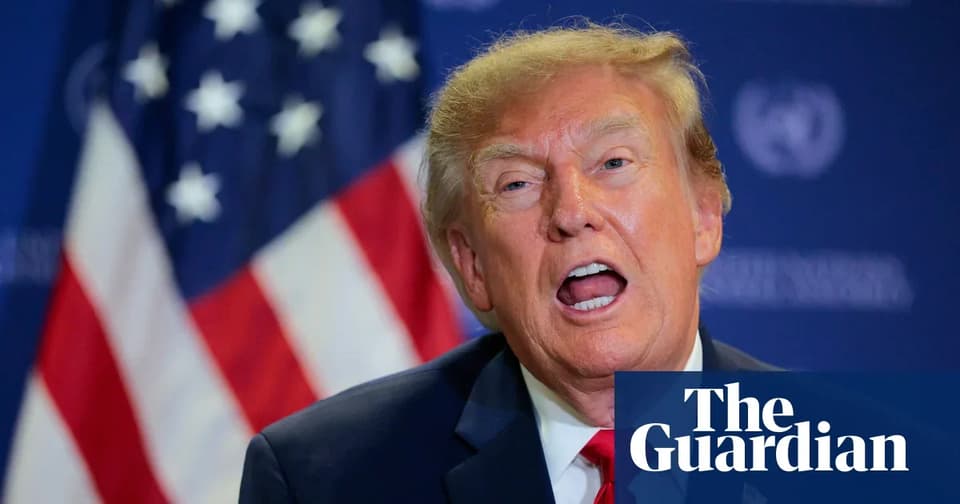
US economic data shows resilience driven by AI investment and strong consumer spending, but voter sentiment has collapsed due to high inflation, rising gas prices, and the Iran war. With midterms approaching, Trump’s boast of the 'greatest economy in history' clashes with 73% of Americans rating the economy poorly, creating a significant political vulnerability for the administration.
Key points
- Inflation has risen to 3.4% from 3.0% at the end of the Biden administration, with gas prices jumping 50% since the Iran conflict began.
- Consumer sentiment hit its second-lowest level in 74 years in September, while 71% of voters disapprove of Trump’s handling of the cost of living.
- The economy is growing at a modest 1.5% rate, yet business activity accelerated at the fastest pace in five years, driven by AI investment and spending from the top 10% of earners.
- The Federal Reserve has raised interest rates to combat inflation, with mortgage rates exceeding 7%, worsening affordability for average households.
- Job growth has averaged 43,000 monthly, less than one-third of the 145,000 average during the Biden administration, despite a low 4.1% unemployment rate.
Background
Recent polls from September 2026 indicate a sharp decline in Trump’s approval ratings, with 55% of voters blaming his policies for economic strain. This follows a contentious GOP midterm convention in Dallas, where analysts noted the event was more about narrative control than policy substance, reflecting the administration’s struggle to connect with swing voters amid rising living costs.
How outlets are covering it
The Guardian and The Bulwark emphasize the disconnect between macroeconomic resilience and voter pain, citing high inflation and the Iran war as primary drivers of dissatisfaction. Politico highlights the 'quadrangle of doom,' noting that while the economy is growing due to AI and top-tier spending, consumer sentiment has fallen 15% since the start of the year. The Washington Times offers a more balanced view, suggesting the economy is neither the 'worst of times nor the best,' acknowledging resilience despite policy-driven price hikes. The White House, via spokesman Kush Desai, argues that consumer spending remains robust and that recent price drops in beef and auto insurance prove the administration’s policies are working, while critics like Lindsay Owens argue the economy is precariously propped up by AI and the spending power of the wealthy.
Why it matters
The divergence between strong macroeconomic indicators and poor voter sentiment poses a significant risk for the Republican Party in the 2026 midterms. If the Federal Reserve raises rates further to combat inflation, or if the AI investment boom slows, the current economic resilience could erode, potentially shifting the balance of power in Congress. The administration’s inability to address the 'affordability crisis' felt by average Americans, despite strong headline numbers, threatens its electoral base.
What to watch
The Federal Reserve is expected to raise interest rates at least once more before the end of the year to rein in inflation. A looming global diesel fuel shortage could further worsen cost-of-living concerns. The November midterms will serve as the ultimate test of whether voters prioritize macroeconomic resilience or their personal financial strain, with polls showing only 28% approval of Trump’s economic handling.
- As the US midterms approach, Trump’s boasts on the economy fall flat with voters The Guardian
- Trump's economy polls terribly. It's also surging. Politico
- Trump’s Quadrangle of Doom The Bulwark
- Neither the worst of times nor the best in Trump 2.0 Washington Times
- Erick Erickson: The tide turns toward doom The Northern Virginia Daily
Want the full story? Read the original reporting
Read on The Guardian