
Wendell Berry, Agrarian Author and Critic of Industrial Society, Dies at 92
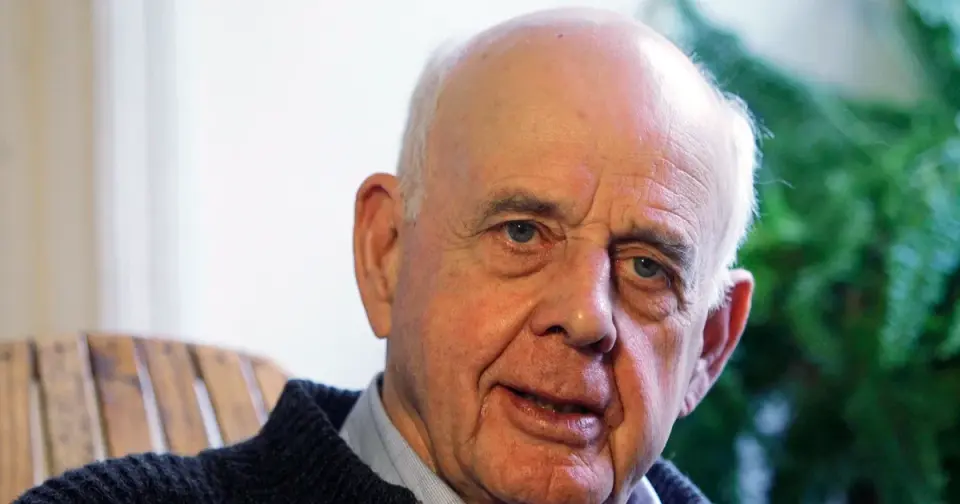
Wendell Berry, the influential Kentucky author and agrarian activist who championed sustainable farming and rural life, has died at age 92. His daughter confirmed his passing at his home in Port Royal, Kentucky. Berry, a prolific writer of over 40 books, is best known for his essays critiquing industrial agriculture and his fiction set in the fictional town of Port William. He lived a life of simplicity, managing an organic farm with his wife Tanya and rejecting modern technologies like computers and television. Although he never won a Pulitzer Prize or National Book Award, he received a National Humanities Medal and significantly influenced figures like Michael Pollan and Alice Waters through his advocacy for local food systems and ecological stewardship.
Key points
- Wendell Berry died at age 92 in his home in Port Royal, Kentucky, as confirmed by his daughter Mary Berry.
- Berry published more than 40 books, including novels like 'Nathan Coulter' and the essay 'The Unsettling of America,' which criticized the mechanization of agriculture.
- He lived a life of extreme simplicity, running an organic farm with his wife Tanya and avoiding computers, television, and phones, though he installed solar panels in 2005.
- Berry’s work influenced prominent figures such as Michael Pollan and Alice Waters, particularly through his assertion that 'Eating is an agricultural act.'
- Despite his significant cultural impact, Berry never received a Pulitzer Prize or National Book Award, though he was honored with a National Humanities Medal and a lifetime achievement award from the National Book Critics Circle.
Background
Our previous coverage from September 1, 2026, noted Berry’s death and highlighted his legacy as a literary guardian of Kentucky who critiqued industrial farming. Earlier reports emphasized his advocacy for sustainable agriculture and his unique lifestyle on a hillside farm, which aligned with his literary themes of rural authenticity and ecological mindfulness.
Why it matters
Berry’s death marks the end of an era for American agrarian literature and environmental activism. His work provided a critical counter-narrative to industrial capitalism and modern convenience, influencing how contemporary society views food, community, and environmental stewardship. His refusal to accept major literary awards while maintaining a rigorous ethical stance on land use continues to resonate with activists and writers focused on sustainability and localism.
What to watch
There are no immediate procedural next steps reported, as Berry’s passing is a personal and cultural event rather than a policy development. His estate and the literary community will likely continue to promote his works and legacy, potentially leading to new editions of his essays or academic discussions on his impact on environmental ethics.
- Wendell Berry, Kentucky-born author who advocated a simpler life, has died at 92 NBC News
- Wendell Berry, Writer Who Extolled America’s Agrarian Past, Dies at 92 The New York Times
- Wendell Berry, Author and Environmental Activist, Dead at 92 People.com
- Beloved writer and environmentalist Wendell Berry has died at age 92 NPR
- Kentucky writer, farmer and advocate Wendell Berry dies at 92 Kentucky Lantern
Want the full story? Read the original reporting
Read on NBC News