
Hawaii faces second storm in two weeks as El Nino fuels back-to-back Pacific threats
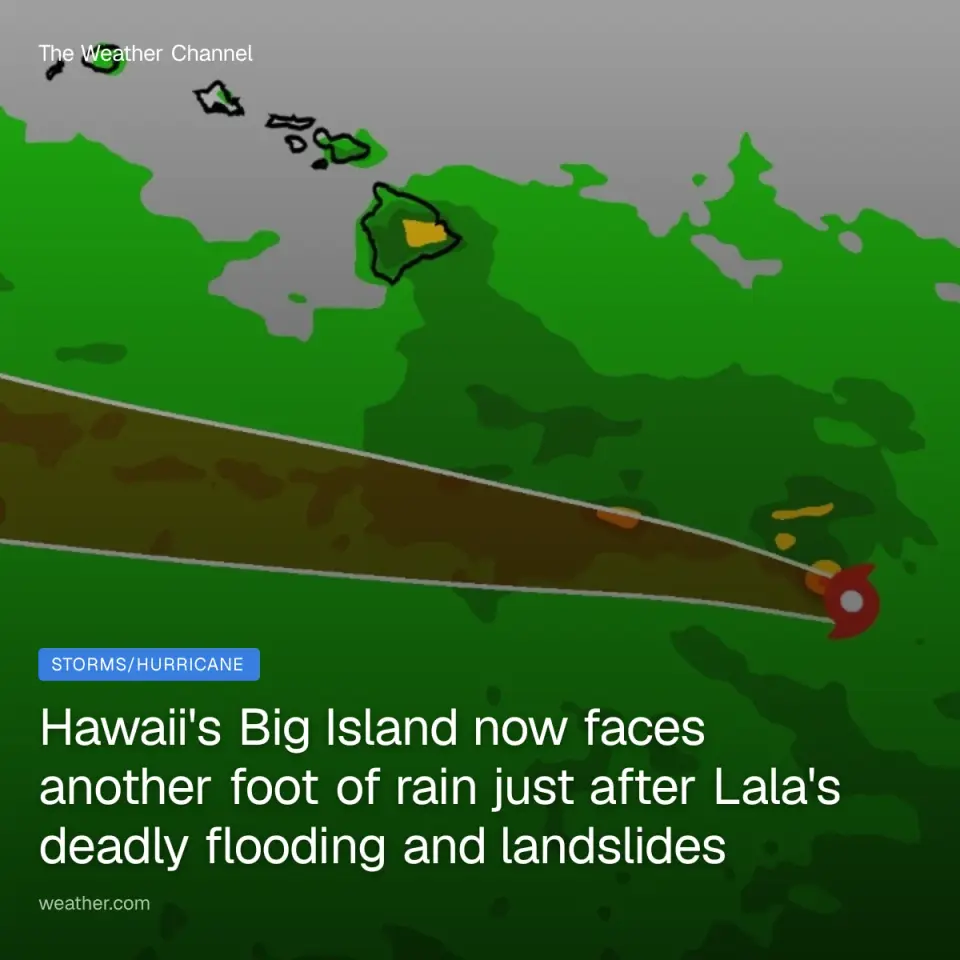
Hawaii is bracing for Tropical Storm Moke, which threatens to bring another foot of rain to the Big Island just one week after Hurricane Lala caused deadly flooding and landslides. This back-to-back storm activity is attributed to a strong El Nino, which has warmed ocean waters and altered wind patterns, making such close calls unusually frequent for the islands.
Key points
- Tropical Storm Moke is expected to bring heavy rain and gusty winds to Hawaii, with the Big Island facing approximately one additional foot of precipitation.
- This storm arrives just one week after Hurricane Lala, which caused significant damage, including landslides, flash flooding, and at least one fatality.
- A strong El Nino is cited as the primary driver, having warmed ocean temperatures and altered steering currents to funnel storms toward Hawaii.
- Hawaii has now experienced two tropical cyclones within 300 nautical miles in a short span, double the typical annual average, with a third storm possible this season.
Background
Hawaii had not experienced a hurricane landfall since 1992, but Hurricane Lala in August 2026 caused record rainfall and widespread power outages. The current storm, Moke, follows shortly after Lala, highlighting a shift in typical Pacific weather patterns due to El Nino.
How outlets are covering it
The Weather Channel emphasizes the immediate threat of additional rainfall following Lala's damage. CNN provides broader context, attributing the unusual frequency of storms to El Nino's impact on ocean temperatures and steering currents. The Honolulu Star-Advertiser focuses on the local impact of Moke, noting heavy rain and gusty winds for the weekend. All sources agree on the severity of the back-to-back storms but differ in emphasis, with CNN highlighting the climatic drivers and The Weather Channel focusing on the immediate weather threat.
Why it matters
The back-to-back storms highlight the vulnerability of Hawaii to climate-driven weather patterns, with El Nino increasing the frequency and intensity of tropical cyclones. This has significant implications for infrastructure, emergency response, and long-term climate adaptation strategies.
What to watch
Residents should monitor updates from local authorities and prepare for potential flooding and high winds. Forecasters will continue to track Moke's path and intensity, with the possibility of a third storm later in the season.
- Hawaii's Big Island now faces another foot of rain just after Lala's deadly flooding and landslides The Weather Channel
- Two storms in two weeks: El Niño has taken down Hawaii’s hurricane force field CNN
- Tropical Storm Moke develops, as Hawaii's Big Island braces for more rain days after Hurricane Lala ABC News - Breaking News, Latest News and Videos
- Tropical Storm Moke holding steady, expected to stay south of the islands Hawaii News Now
- Tropical Storm Moke to bring heavy rain, gusty winds to Hawaii this weekend Honolulu Star-Advertiser
Want the full story? Read the original reporting
Read on The Weather Channel