
El Niño-driven storms collapse synagogue roof and flood Florida, California
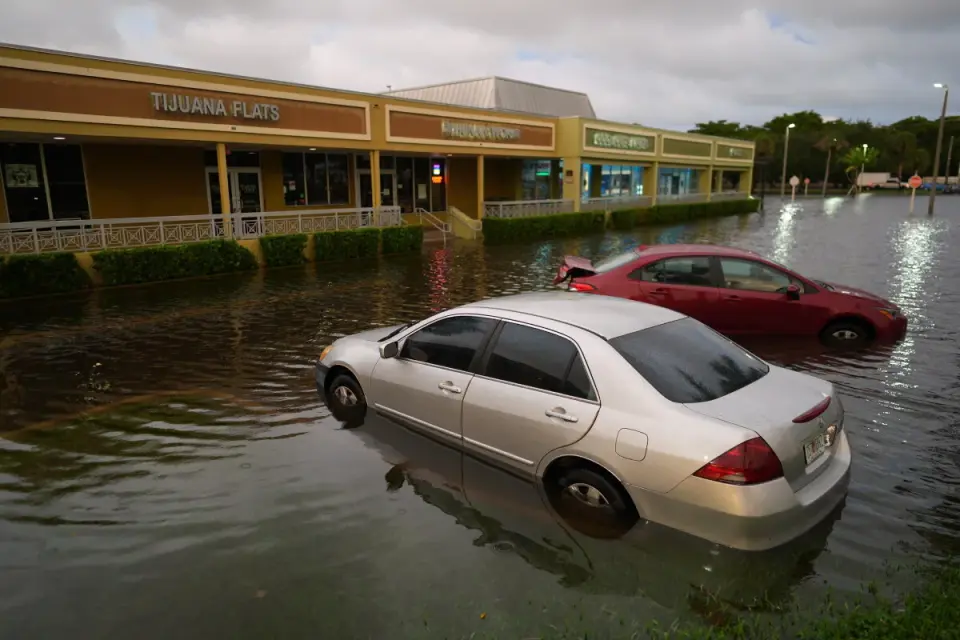
A slow-moving storm system fueled by El Niño has caused severe flooding in South Florida and Northern California, collapsing a synagogue roof and disrupting travel. While Florida faces a multi-day flood threat, California deals with high winds and debris flow risks.
Key points
- In South Florida, 15.3 inches of rain fell in Broward County in 24 hours, causing the roof of Temple Sinai in Hollywood to collapse without injuries.
- Hollywood, Fort Lauderdale, and Broward County declared states of emergency, closing parts of Interstate 95 and the Florida Turnpike.
- In Northern California, heavy rain and 50-70 mph winds grounded flights in San Francisco and closed Highway 1 near Big Sur due to debris flow risks.
- The National Hurricane Center warns the system may become a subtropical or tropical storm, potentially impacting East Coast travel before Thanksgiving.
- El Niño is disrupting Florida’s typical dry season, bringing low-pressure systems that cause heavy precipitation events.
Background
This event follows a pattern of increased rainfall in Florida earlier in November, including record-breaking downpours in Palm Beach and Brevard counties in early November. The current storm is part of a broader El Niño influence that has shifted global weather patterns, increasing storm chances in the US Southeast.
How outlets are covering it
AP News emphasizes the structural damage in Florida, specifically the synagogue roof collapse, and the potential for the storm to become tropical. CNN highlights the climate change angle, noting that extreme rainfall is becoming more frequent due to a warming atmosphere, and details the two potential tracks for the storm that could disrupt Thanksgiving travel. The New York Times focuses on the unusual nature of the weather, such as hail in Florida, and the immediate impact on residents. WESH provides specific rainfall data for Central Florida, noting that the region is still recovering from historic flooding two weeks prior in Brevard County.
Why it matters
The event highlights the increasing frequency and intensity of extreme weather events linked to El Niño and climate change. It demonstrates the vulnerability of infrastructure, such as roofs and roads, to unprecedented rainfall and the potential for significant economic and travel disruptions during major holiday periods.
What to watch
The National Weather Service expects the flood threat to persist through Friday along Florida’s Atlantic Coast, with an additional 12 inches of rain possible. The storm is expected to move north, potentially impacting the East Coast from Georgia to New York by Sunday and Monday. Drier conditions are forecast for Central Florida starting Saturday.
- Rainfall supercharged by El Niño floods roads and collapses a south Florida synagogue's roof AP News
- Intense flooding slams Florida from a developing storm that could snarl early Thanksgiving travel on the East Coast CNN
- Florida’s El Niño Rains Bring Hail and High Water The New York Times
- 12+ inches of rain possible by Friday night along coast; 18 inches in isolated areas WESH
- Rain, flood watch still in store after parts of Broward hit with more than 17 inches of rain Sun Sentinel
Want the full story? Read the original reporting
Read on AP News